
In brief
Hurricane Isaias made landfall in Florida with 105‑mph winds, dragging a storm surge and trees that toppled roofs across Alabama, Florida and Georgia. Four people lost their lives, two in Alabama and two in Florida, as towering branches crashed into houses and a generator caused a fatal CO2 event. Roughly 500,000 households were left without electricity as power grids struggled to cope. While officials declared emergencies and ordered evacuations, other tropical systems—including Hurricane Simon and Tropical Storm Rachel—foreshadowed more challenges for the region.
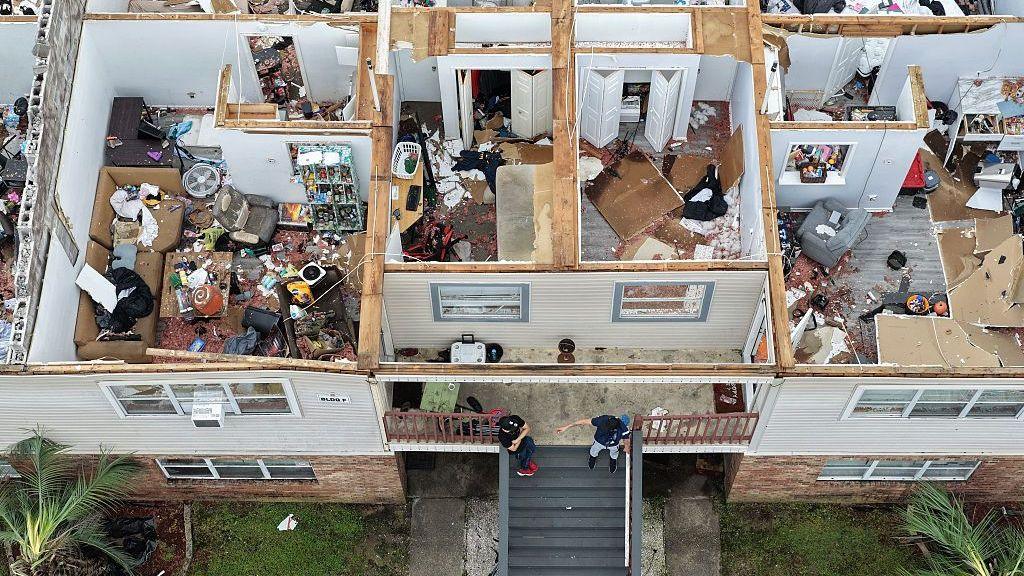
Hurricane Isaias struck the southern U.S. with 105‑mph winds, tearing apart roofs, uprooting trees and flooding coastal communities. Four deaths were recorded across Alabama and Florida, including a woman who died when a fallen tree crashed through her home’s roof and a man who perished from CO2 poisoning after he ran a generator in an unvented garage.
Power outages swelled to around 500,000 residents as utility firms struggled to restore service amid the damage. State officials in Alabama, Florida and Georgia declared emergencies and issued tons of evacuation orders as the storm moved inland.
Alongside Isaias, another system—Hurricane Simon—approaches Mexico’s Pacific coast as a category‑four storm, and Tropical Storm Rachel is heading toward southern California.
Governor Ron DeSantis warned residents that flooding still poses a risk, while the National Guard rescued dozens stranded in submerged vehicles.
Emergency crews continue clearing fallen trees and rebuilding shattered structures, but a lasting blackout lingers over parts of the Gulf Coast, underscoring the region’s vulnerability to compounded weather threats.

