
In brief
Amidst rising levels of air pollution in Delhi, families like the Bhasins are fleeing to coastal regions to protect their health, highlighting a growing trend among the affluent while millions face a dangerous reality.
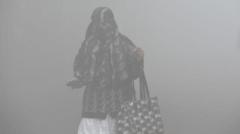
The Bhasin family packed their bags and left Delhi for the coastal state of Goa, seeking relief from the capital's toxic air following their daughter’s asthma diagnosis. Saurabh Bhasin, a corporate lawyer originally from Delhi, saw the city he cherished turn into a place of worry due to hazardous winter air pollution, which has consistently reached alarming levels thanks to an array of sources, including traffic, construction dust, and festive firecrackers. In 2015, Mr. Bhasin made headlines when he filed a petition to reduce firecracker usage, but despite minor regulations imposed, air quality continued to decline. By November 2022, his daughter’s asthma became a reality they could no longer ignore. Relocating was not a luxury available to many, but for those like Mr. Bhasin who could afford it, escaping Delhi became an option. “While moving doesn't eliminate her asthma, staying would likely exacerbate it,” he shared.Unfortunately, not everyone has the means to flee. Families across Delhi remain trapped in a cycle of dangerous smog, forced to endure winter months when pollution peaks. Rekha Mathur is another who temporarily escapes; she leaves for Dehradun each winter but faces the challenges of her husband remaining in Delhi due to work commitments. The couple's sacrifices reflect the sobering reality inflicted by poor air quality, with pollution now pervasive even in once-clean areas like Dehradun.Despite decades of governmental interventions aimed at curbing pollution levels through legal measures targeting industries and transport, effective change has lagged. Every winter, as smog blankets the city, restrictions on construction and industrial activities are enforced, yet complaints about stagnant air quality persist. Om Thanvi, who used to manage asthma in Delhi, relocated to Rajasthan and rejoices in improved health.However, solutions seem elusive for lower-income families like Sarita Devi's, who cannot afford to leave the city, burdened by the necessity of their jobs. For them, the grim air quality is a daily plight that doesn’t have viable alternatives.As families confront this crisis, the contrasting decisions of the privileged to leave versus the struggles of the less fortunate highlight a broader health emergency in Delhi, further raising concerns about air quality and its long-term implications.

