The recent military operation from India, named "Operation Sindoor," has captured national and international attention for its potent symbolism rooted in Indian culture. The operation's name evokes poignant imagery of loss, particularly related to the plight of widowed women like Himanshi Narwal, who became a symbol of tragedy and a focal point of public sentiment following a horrific terrorist attack in Kashmir.
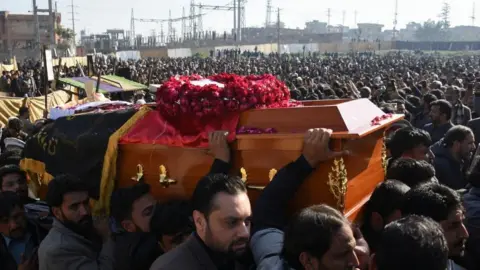
On April 22, a terrorist attack claimed the lives of 26 individuals, including Narwal's husband. An image of her mourning beside him has gone viral, shorthand for the grief faced by many families affected by the attack. The operation's name "Sindoor," a red powder traditionally worn by married Hindu women as a sign of their marital status, signifies an emotional response, suggesting a protective vow towards the widows left behind.
The Indian government's choice of this name underscores its intention to channel the emotional outrage from the public, particularly towards those who identify with Hindu nationalism. The graphic announcing the operation featured a jar of spilled sindoor, a striking visual reminiscent of blood, driving home the message of vengeance.
However, this militaristic use of cultural symbols hasn't been free from criticism. Feminist historians like V. Geetha argue that the invocation of sindoor in this context reinforces a patriarchal perspective that objectifies women. Instead of acknowledging their individual suffering and agency, the narrative instead positions women as symbols to motivate men towards acts of heroism and vengeance.
The operation, while aiming to resonate with a specific demographic, reveals a complex interplay of cultural symbolism, nationalism, and gender politics. As the situation develops, both support for and criticism of the operation will likely continue to evolve in India's landscape.