
In brief
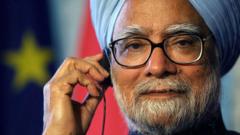
Former Prime Minister Manmohan Singh, who died recently, is remembered for his quiet strength and significant impact on India's history. Known as a gentle leader, Singh played pivotal roles as Finance Minister and Prime Minister, implementing pro-market reforms that propelled India's economic growth. His state funeral on Saturday is complemented by a national mourning period of seven days. Despite facing criticism for his relatively shy and introverted personality, Singh’s integrity and dignity during turbulent times enriched his legacy. From addressing historical injustices to navigating complex international dynamics, Singh embodied the contradictions of being an influential yet unassuming leader.
Singh’s story began in a modest household in what is now Pakistan. As India’s first Sikh Prime Minister, his journey from a humble background to the halls of power inspired many. Noteworthy initiatives included a public apology for the 1984 anti-Sikh riots and a nuclear cooperation agreement with the U.S. However, his tenure was marred by allegations of corruption and challenges in managing public sentiment amid growing dissatisfaction over economic hardships. Though Singh's approach to leadership was often viewed as cautious and reserved, it also reflected his deep commitment to reform and social equity, with policies aimed at empowering the middle class and the disadvantaged. Despite setbacks and criticism, many continue to celebrate him as a leader distinguished by kindness and a firm resolve, affirming his place in India's complicated political narrative.

