In brief
Senator Lidia Thorpe, an Aboriginal leader, has been censured by her peers after her vocal protest against King Charles during his recent visit to Canberra.
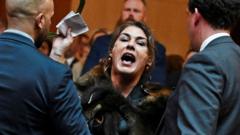
Australian Senator Lidia Thorpe generated controversy last month when she heckled King Charles in the Great Hall of Parliament, urging a conversation about the historical ramifications of British colonization. During the royal address, she shouted "you are not my King" and "this is not your land," an act aimed at drawing attention to the ongoing struggles of Indigenous Australians. Following this protest, the Senate, in a move signaling their strong disapproval, voted 46-12 to censure Thorpe’s actions, labeling them as "disrespectful and disruptive."Thorpe's protest did not go unnoticed and resulted in sharp criticism from various political figures and some Aboriginal leaders, although it also garnered praise from activists advocating for Indigenous rights. She later spoke out, asserting that she had not been granted the opportunity to explain her actions due to a flight delay. “The British Crown committed heinous crimes against the first peoples of this country... I will not be silent,” she reiterated.The censure is primarily ceremonial, lacking any legal implications, yet it underscores the contentious nature of discussions surrounding Indigenous sovereignty in Australia. Unlike other former British colonies, such as New Zealand, Australia has never formalized a treaty with its Indigenous peoples. Many Aboriginal and Torres Strait Islander advocates highlight the absence of such an agreement and the ongoing issues stemming from colonization, pointing out that they never ceding their land or sovereignty to the Crown.Despite Thorpe’s protest, which became a focal point for discussing Indigenous rights, King Charles received a warm welcome from the public throughout his five-day visit. Prime Minister Anthony Albanese acknowledged the King's respect for Australians, even amidst divisive conversations regarding the nation's constitutional relationship with the monarchy.Thorpe is known for her activism efforts, notably her outspoken views on the recognition of Indigenous peoples’ rights within the Australian government. Recently, she campaigned against proposals for constitutional recognition, deeming them insufficient and merely tokenistic. The government's past referendum aimed at such recognition faced significant backlash, leaving uncertainties about the future of Indigenous rights advocacy in the country.