
In brief
Kyiv residents are forced to choose between the biting winter in the capital and the dangers of continuous Russian missile and drone strikes. Mother Mariia Shostak has already packed her children to escape the worsened conditions, opting for Egypt’s warmer climate. While surveys show 40 % of Kyiv citizens are considering relocation, city officials are offering temporary shelters and new power plants to meet the crisis. Others like Olena Konoplia are moving to rural villages, hoping the quiet offers vital peace of mind. The decision to leave reflects a balancing act between safety, job security and child welfare for a city under siege.
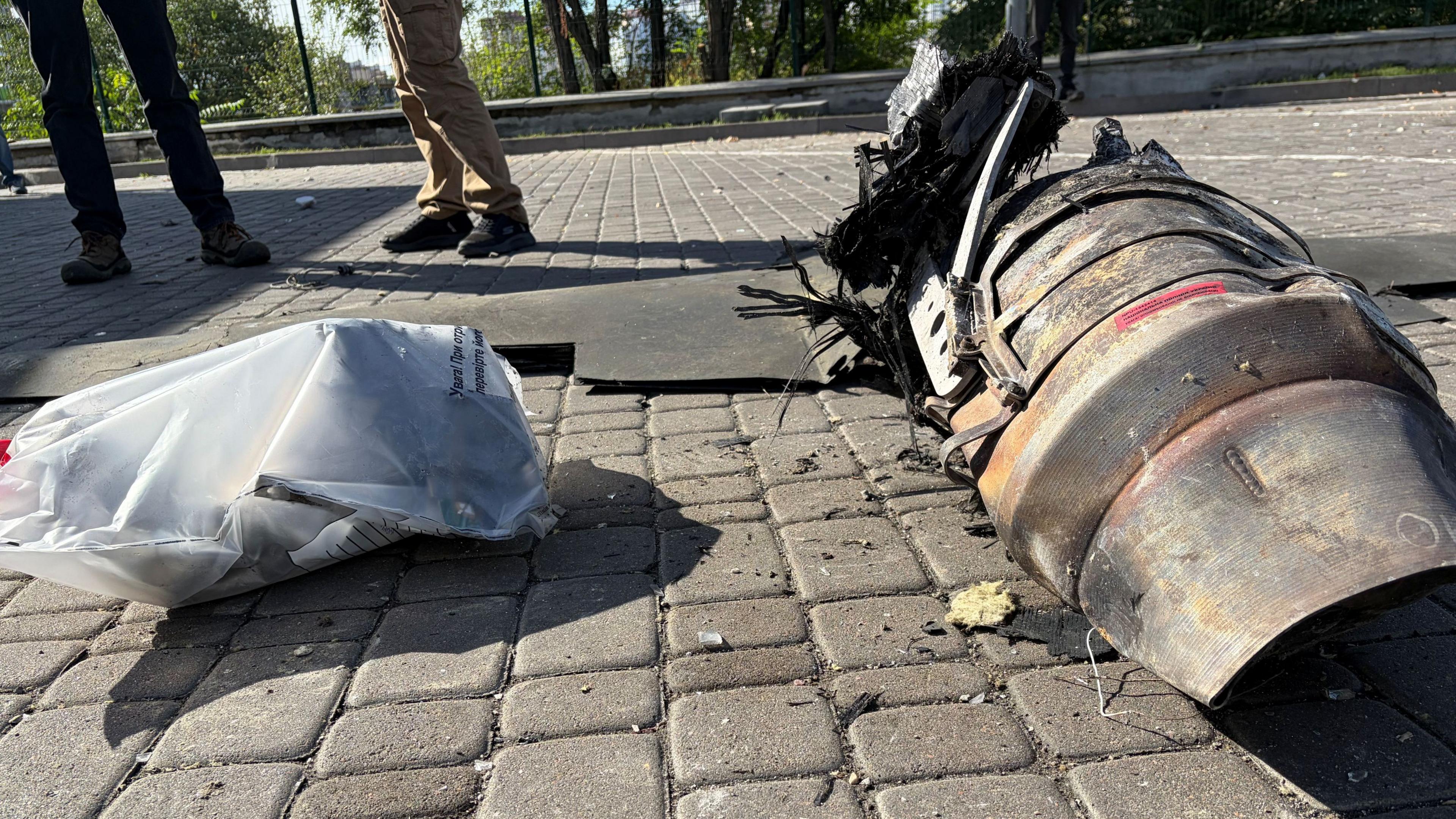
As Ukraine’s war drags on, a new threat looms: colder temperatures, fewer power supplies and concentrated Russian attacks on Kyiv. The city’s citizens are forced to make a choice – stay in the capital’s cramped apartments or leave for warmer places.
Mariia Shostak, mother of two, describes last winter’s brutal sub‑zero storms and blackouts as “unbearable”, but the real trigger is the surge in missile and drone strikes that now hit the city’s center. She is moving her family to the Egyptian resort of Hurghada, citing the climate and safety.
Surveys show the mood in Kyiv: 40 % of respondents would move if conditions worsen, while 35 % would stay. The city has created alternative shelter in converted sanatoriums and built 15 small‑scale power plants to cushion electricity losses.
Not all can afford a trip abroad; many prefer quieter countryside homes where there is no rail or industrial target. Olena Konoplia, for example, has set up a cottage two hours from the capital, installing heaters, wood and high‑speed internet.
With air‑raid sirens sounding daily, the city government has offered vulnerable groups safe havens, but the decision to leave remains split between those who value continuity of life in Kyiv and those who can no longer bear the risk.
