In brief
President Donald Trump's efforts to deploy National Guard troops in cities like Chicago, Los Angeles, and Portland amid protests have sparked a series of court challenges. With judges issuing temporary restraining orders and the U.S. Supreme Court weighing in, the situation remains fluid as various states push back against what they describe as unconstitutional overreach. Upcoming hearings and appeals are set to further complicate the legal landscape surrounding these deployments.
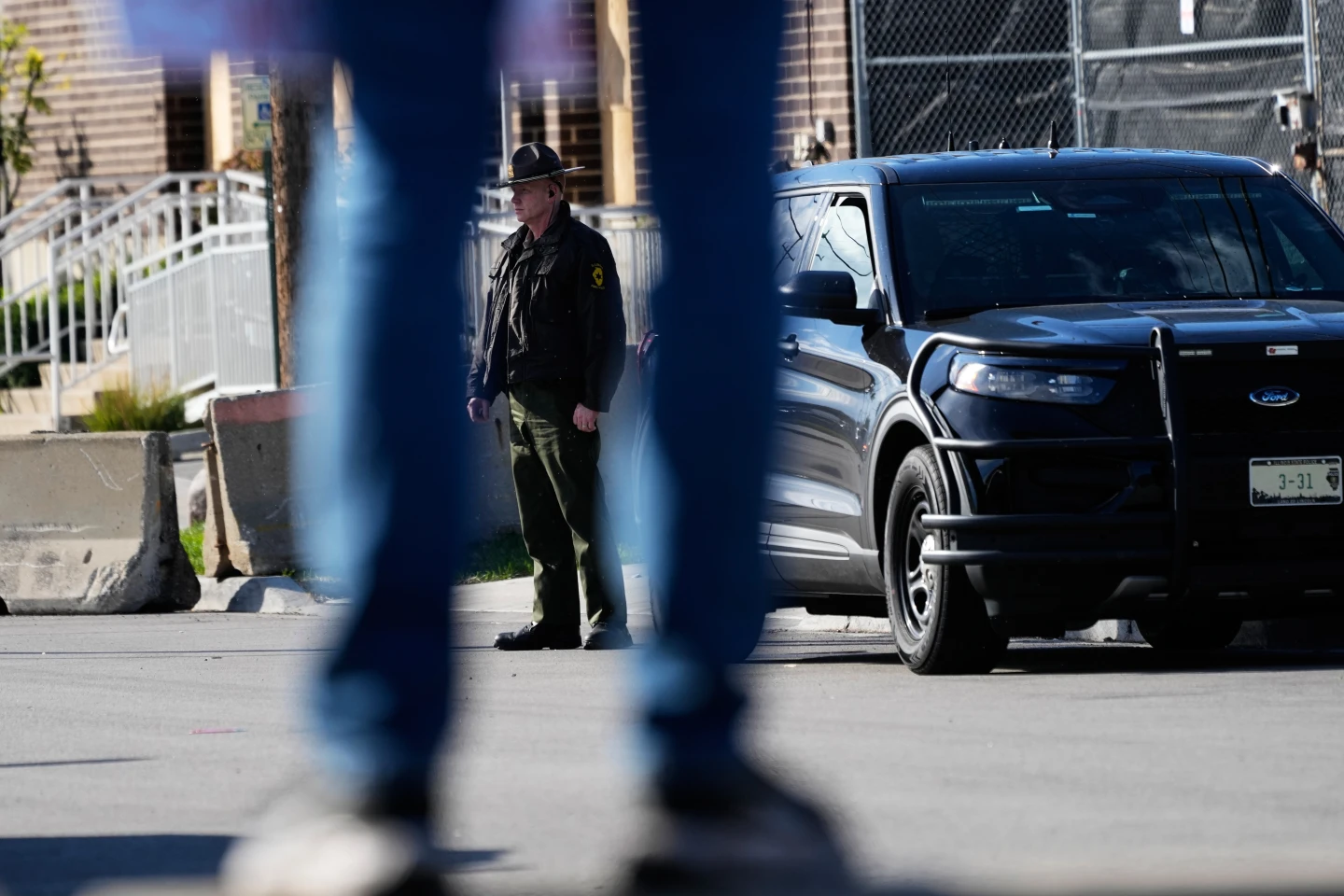
CHICAGO — President Donald Trump’s attempts to deploy the military in Democratic-led cities — over the objections of local leaders — have ignited numerous legal challenges. In Chicago, a federal judge has blocked the deployment of National Guard troops for an extended period as the U.S. Supreme Court considers the matter, while a separate case in California is prompting discussions on the legality of troop movements in Los Angeles. The deployment of troops in Portland and challenges in other regions like Tennessee and West Virginia highlight a growing conflict between state rights and federal authority.A Chicago judge recently issued a temporary restraining order against the deployment, which has now been extended for another 30 days as the exact powers of the president come under scrutiny. In California, the 9th Circuit Court is currently hearing arguments surrounding Governor Gavin Newsom's legal challenge against the troop deployments in his state. Legal experts are closely monitoring the outcome, as similar cases unfold elsewhere, including plans to restrain National Guard movements in Memphis and D.C.As the legal landscape evolves, cities like Chicago and Los Angeles await clarifications on whether federal authority can override state laws regarding the deployment of National Guard troops during civil unrest, setting the stage for potentially landmark rulings.