
In brief
In a BBC interview, Prime Minister Mindaugas Sinkevičius explained that Lithuania is preparing for a wide range of military threat scenarios, from drone incursions to a full-scale invasion. He highlighted evacuation plans for vulnerable groups, including elderly citizens, and underscored Lithuania’s commitment not to surrender. NATO has stationed several thousand troops in the country, with Germany slated to deploy a 5,000‑strong brigade by 2027. Recent incidents involving drones from Belarus and balloon‑like objects have reinforced the perceived threat. The UK and Germany have praised NATO’s readiness while calling for a strategic shift in defence mindset.
Prime Minister Mindaugas Sinkevičius has declared to the BBC that Lithuania will never surrender if attacked by Russia, calling for the country to be prepared for “a variety of scenarios.”
He stressed that the nation already has evacuation plans aimed at removing elderly and other vulnerable citizens from urban centres in a smooth manner that avoids traffic jams, should a conflict erupt.
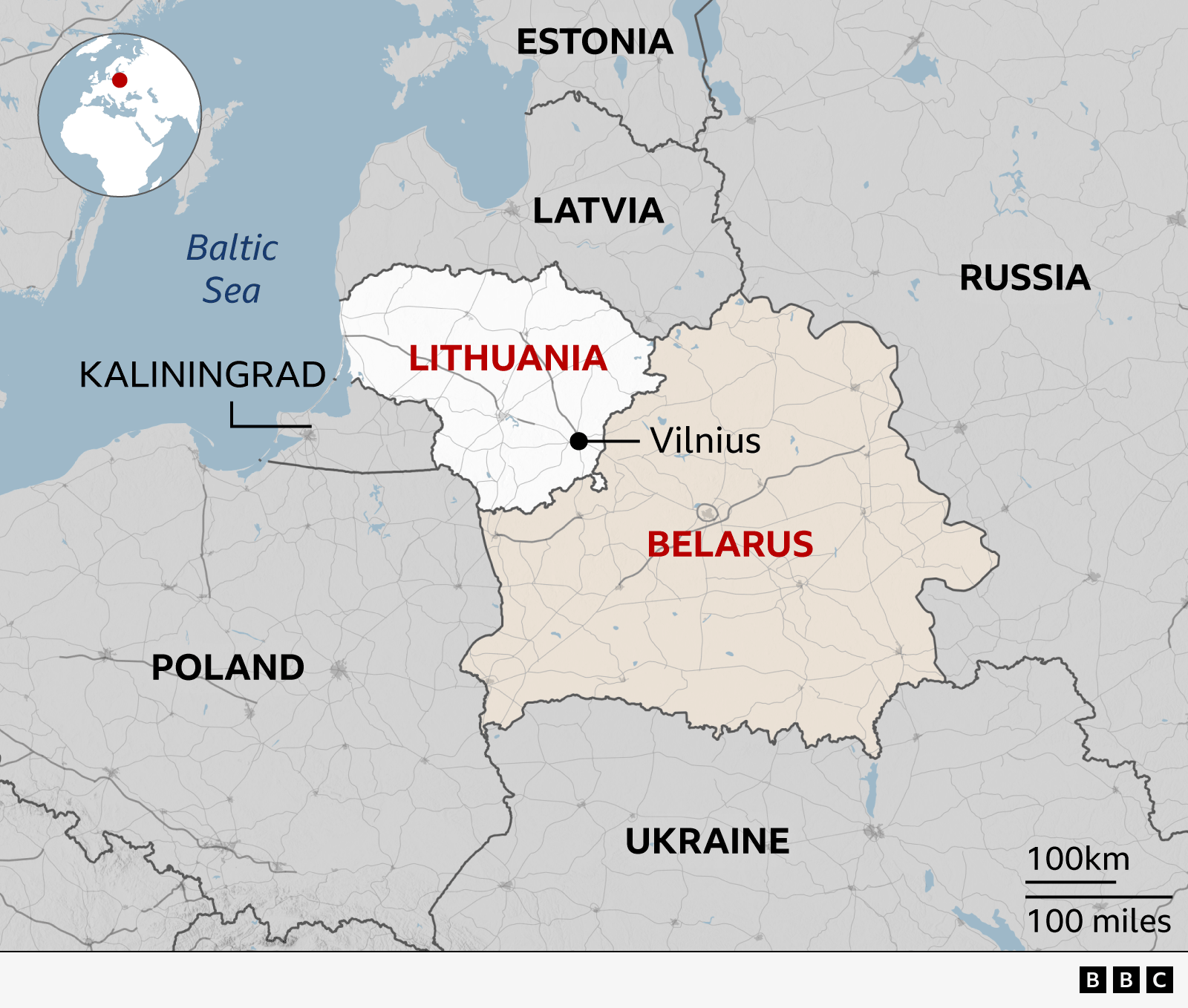
NATO currently deploys more than 5,000 troops in Lithuania, including U.S. and German forces. Germany plans to station a permanent, 5,000‑strong combat brigade by the end of 2027, with many soldiers based near the strategic Suwałki Gap.
Last week Lithuania’s airspace was breached by a drone, reportedly coming from Belarus, and the following night the main airport in Vilnius was forced to suspend flights after a “hybrid attack” involving balloon‑like objects.
Both the UK and Germany have praised NATO’s rapid response, with UK Defence Secretary Wes Streeting claiming NATO consistently protects its member states’ airspace. Meanwhile, Minsk remains a key source of the drone incidents, while Russia has yet to comment.



