In brief
As tensions rise over the Israeli government's strategy, Netanyahu's desire for a full Gaza occupation raises fears of further conflict and international isolation.
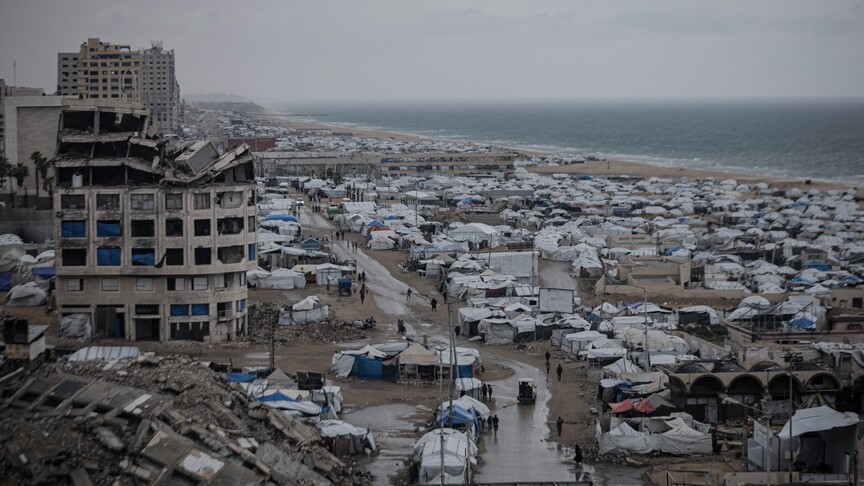
Israeli Prime Minister Benjamin Netanyahu is facing mounting criticism regarding his plan for a possible occupation of the Gaza Strip, a move that could deepen divides within the country and complicate relations with international allies. As the Israeli security cabinet gears up to discuss proposed military actions, there are strong reservations from military leaders and hostage families about the implications of extended conflict.In a recent interview with Fox News, Netanyahu emphasized Israel's intent to assert control over Gaza as a measure for national security, with the aim of dismantling Hamas authority. However, he assured that Israel does not wish to govern Gaza long-term and expressed a desire to transfer governance to "Arab forces," although he offered no details about such arrangements. This stance marks a rare glimpse into his vision for Gaza post-conflict.Currently, Netanyahu seeks to intensify military operations in Gaza City and central refugee camps, areas inhabited by nearly one million Palestinians, and where hostages are believed to be held. An extended military campaign risks exacerbating an already dire humanitarian crisis, displacing thousands and drawing further condemnation from global leaders urging an end to hostilities following the conflict that ignited after Hamas's October 7 attacks.Contradicting robust political ambitions, Israeli army Chief of Staff Lt Gen Eyal Zamir has described a total occupation of Gaza as perilous and potentially detrimental to the lives of the estimated 20 hostages still held. Families of the hostages echo these fears, advocating for negotiations with Hamas instead of aggressive military escalation, fearing for the lives of their loved ones amidst reported intentions of an imminent offensive.International sentiments are divided; while the British ambassador has cautioned against a complete takeover of Gaza, U.S. envoy Mike Huckabee remarked that strategic decisions concerning the Strip should ultimately lie with Israel. Meanwhile, Netanyahu has yet to provide a concrete plan for Gaza's governance after combat operations conclude, dismissing the prospect of collaborating with the Palestinian Authority.Internal Israeli politics further complicate the situation, with Netanyahu accused of prolonging the conflict to sustain his coalition, supported by ultranationalist ministers calling for aggressive actions against Gaza residents. These developments come amidst reports of over 61,000 Palestinian deaths resulting from the Gaza conflict, compared to approximately 1,200 Israeli fatalities from Hamas attacks. The ongoing crisis raises questions about future negotiations and the path towards peace in the region.