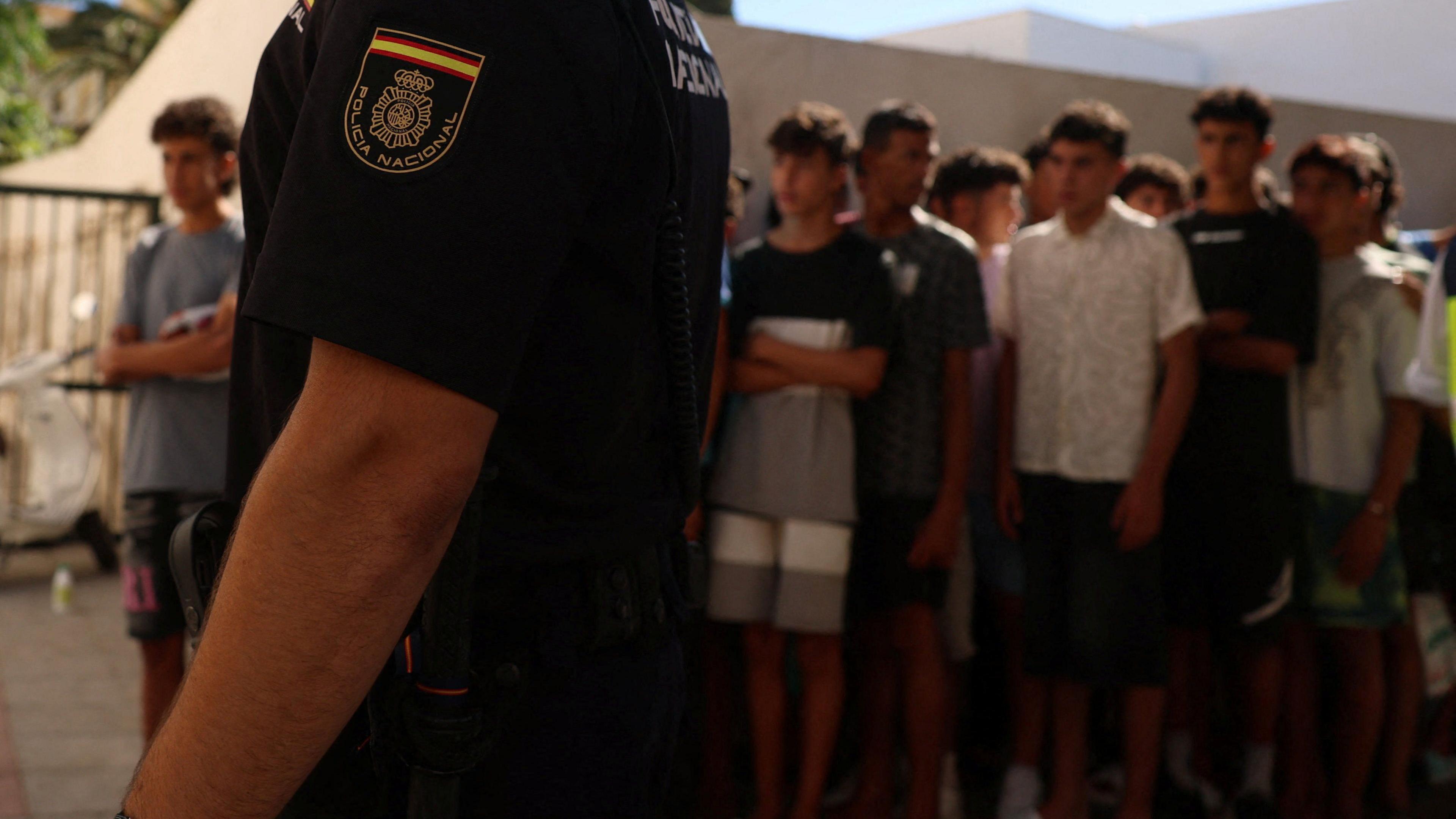
Massive Surge of Migrants Into Ceuta Raises Questions About Trigger and Future
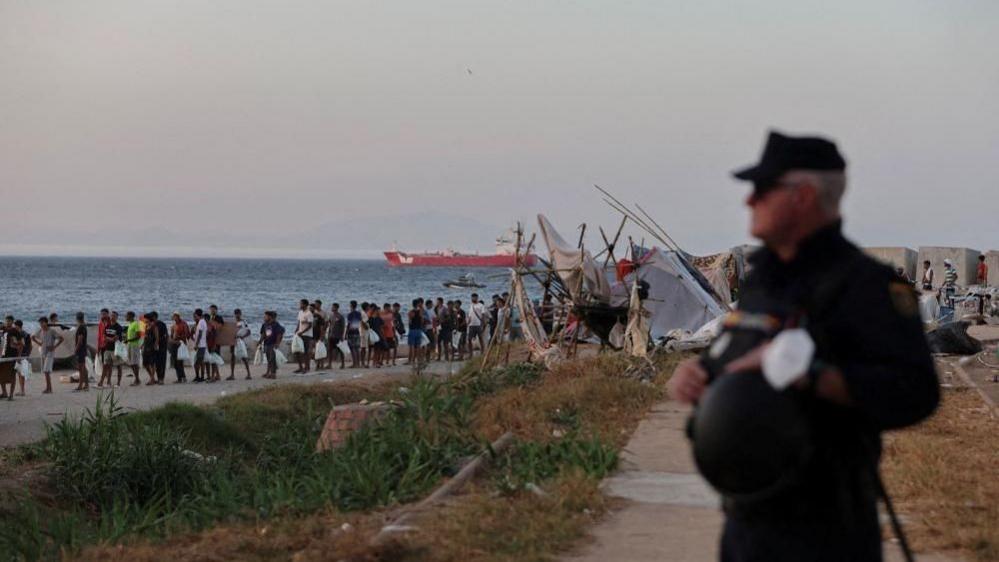
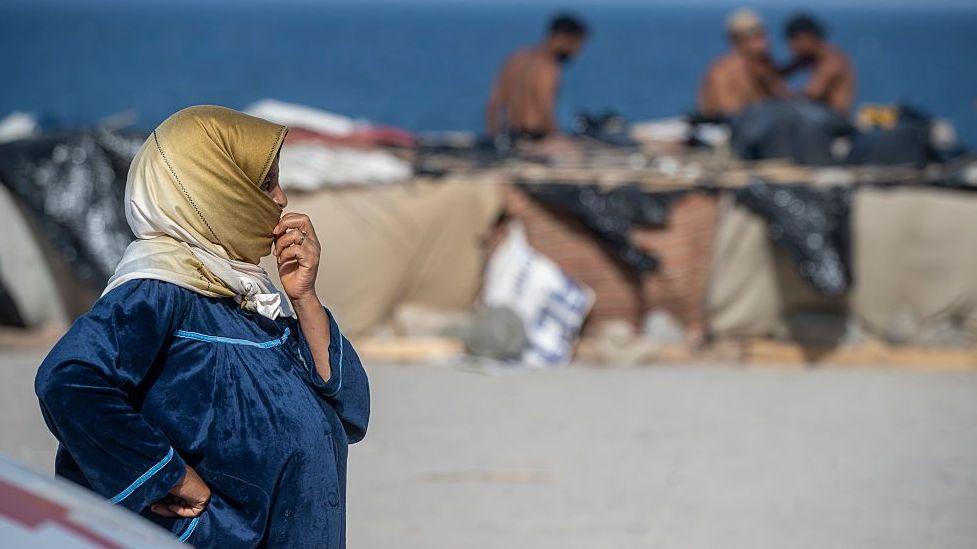
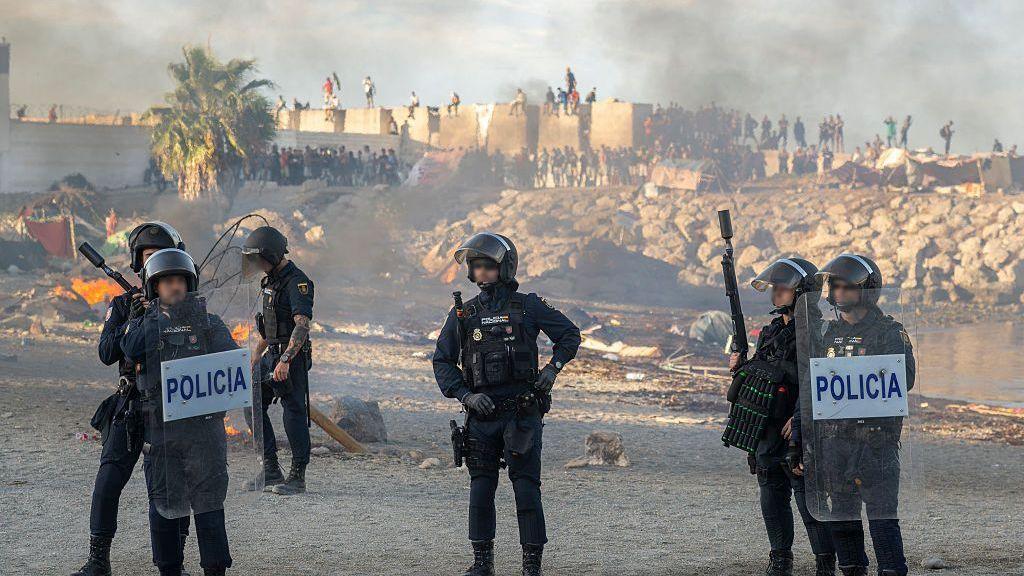
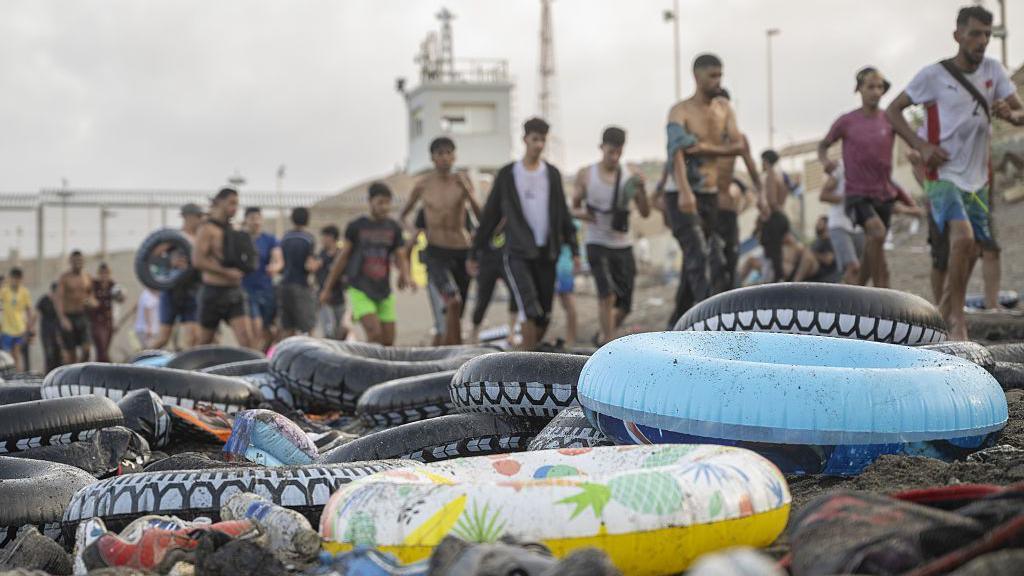
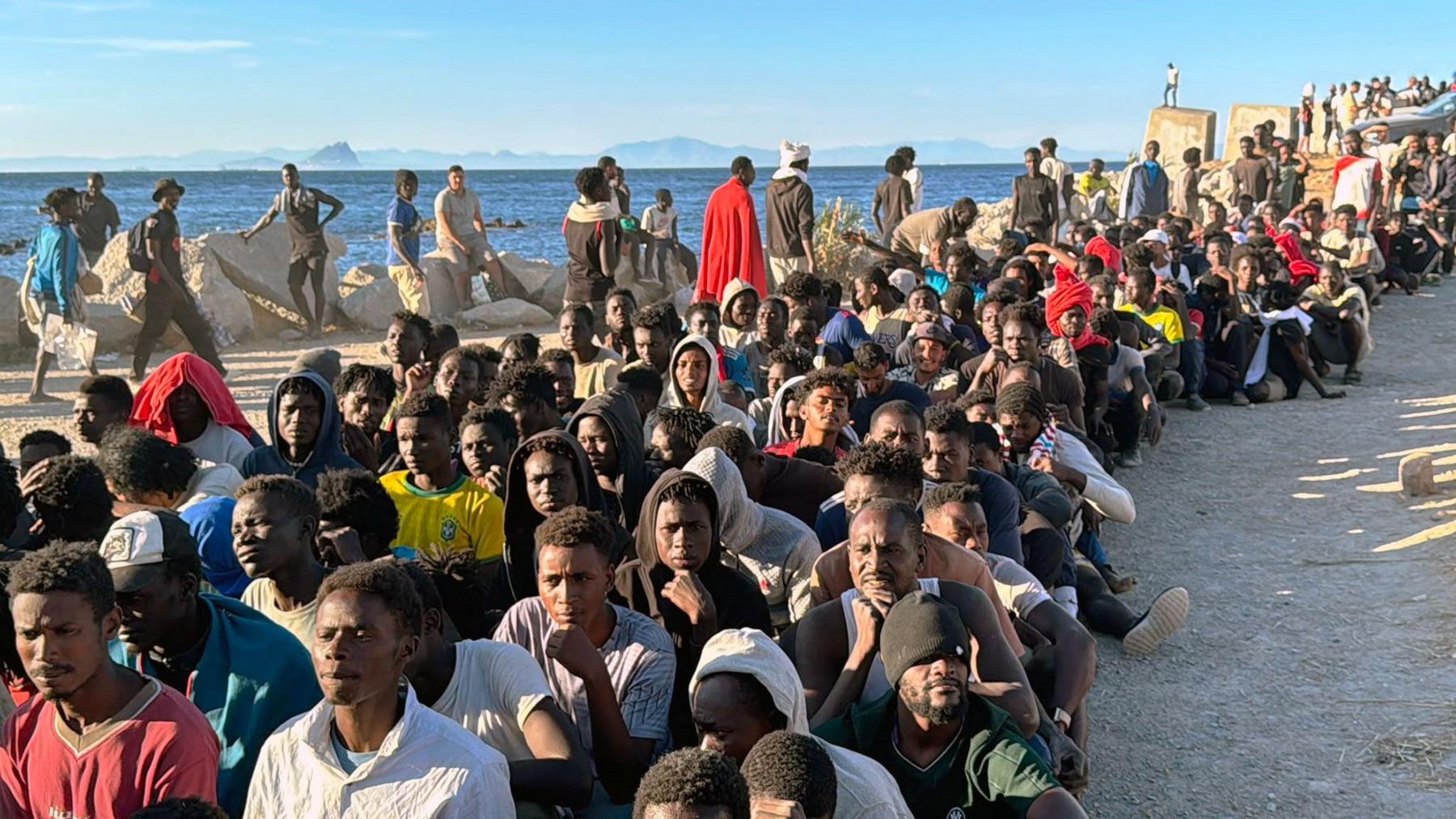
In less than a day Spain’s tiny North‑African enclave of Ceuta, home to about 83,000 residents, saw an unprecedented influx of people from Morocco. Reports claim that roughly 60 000 migrants managed to cross the border, a figure that dwarfs previous spikes.
The crossing was not without tragedy. Dozens of people lost their lives attempting to cross the sand dunes and narrow bridge at the main crossing point. On the morning of Friday evening, Spanish authorities announced that more than 48 000 of the migrants had voluntarily returned to Morocco, though they were still apprehended by Spanish forces en route.
But why such a sudden surge? Analysts suggest a mix of factors. Policy changes in Moroccan and Spanish border enforcement have shifted pressure to the deadly route, while economic hardship and political instability in the Mali and Niger regions push people northward. Meanwhile, social media stories of successful crossings have acted as a catalyst, inspiring others to follow suit before restrictions tighten.
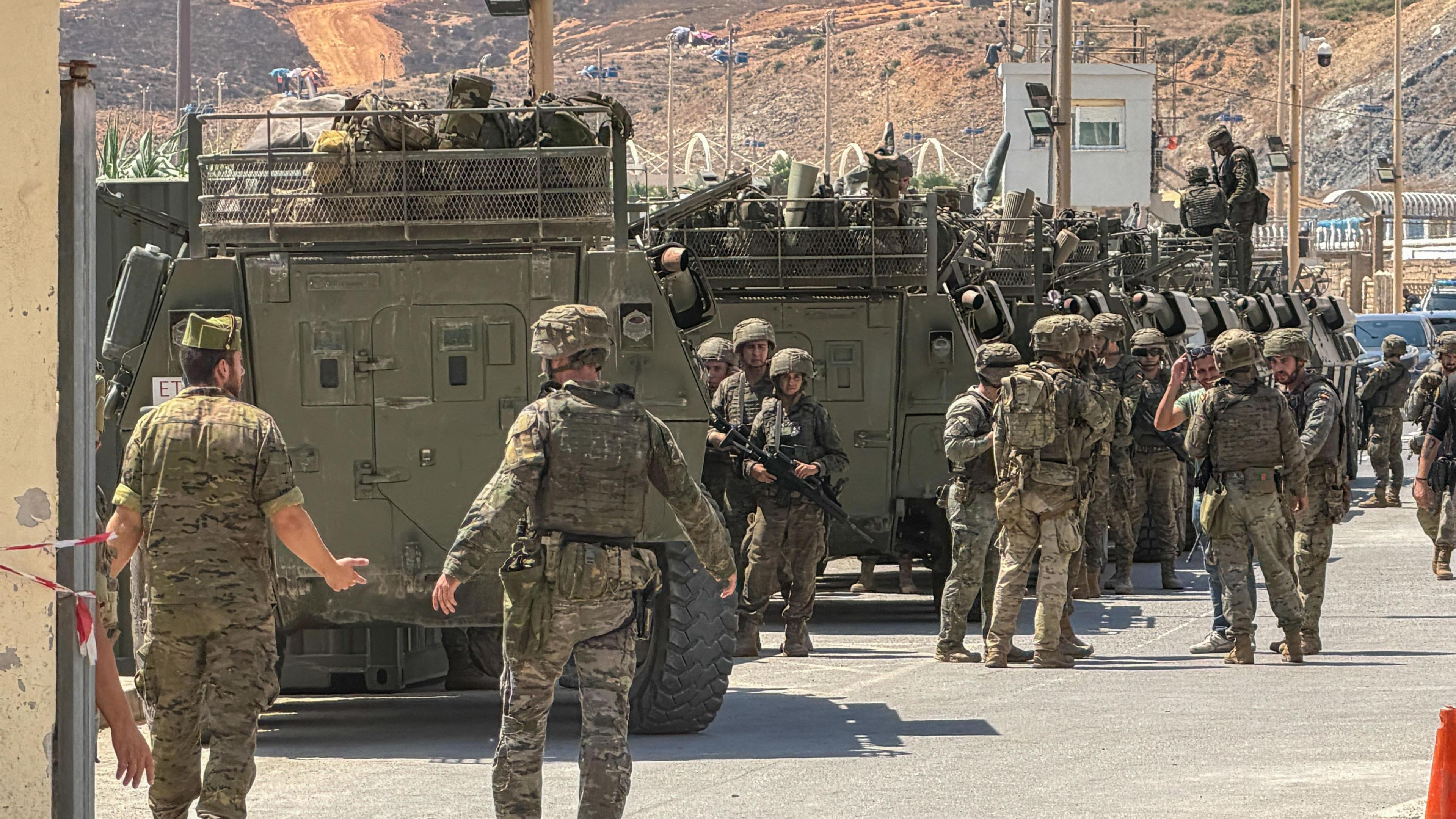
The implications are far‑reaching. Ceuta’s already strained emergency services and limited water supplies are stretched thin. The EU’s broader migration strategies will be tested, as Spain contemplates whether to increase patrols, open additional crossings, or negotiate with Morocco to curb the flow. A humanitarian response plan is urgently needed to aid those rescued and to provide safe re‑entry pathways for those who return.
The situation underscores the complex tug‑of‑war between protecting national borders and offering hope to desperate migrants. As Spain and Europe monitor the situation, the delicate balance between security and humanity will remain a defining feature of the migrant crisis.