Namibia's proposals to lift the ban on the international trade in black and white rhino horns have been rejected at a key conservation meeting. The result of the voting at the Convention on International Trade in Endangered Species of Wild Fauna and Flora (CITES) earlier this week was adopted by the conference on Thursday in Samarkand, Uzbekistan.
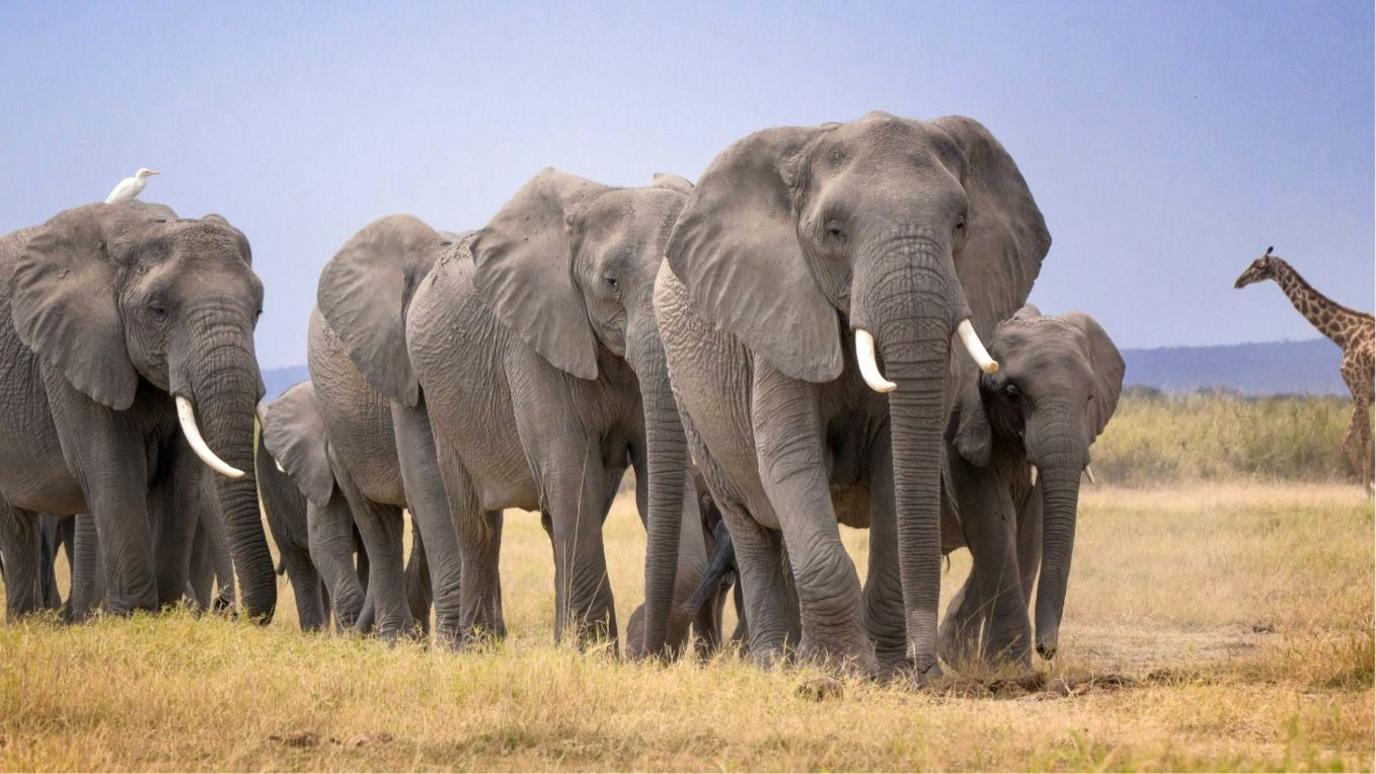
Namibia had also proposed overturning the ban on African savanna elephant ivory; this too was defeated. Eyebrows were raised about the rhino horn trade proposals mainly because Namibia pioneered the practice of cutting the horns off rhinos in 1989 so they no longer have value for poachers. Dehorning was followed by other southern African countries, such as Zimbabwe, Eswatini, and South Africa.
Rhino horns are prized in traditional Asian medicine and are status symbols in China, Vietnam, and some other southeast Asian countries. Namibia tabled two separate proposals—one for black rhinos and the other for southern white rhinos. Both proposals were resoundingly defeated, with only around 30 votes out of about 120 in favor. CITES regulations require a two-thirds majority for a proposal to be adopted.
Black rhinos are listed as a critically endangered species with only 6,421 alive in 2023, a drastic decline of over 90% since 1960, according to an IUCN report. The southern white rhinos are listed as near threatened, with 15,752 remaining, but their numbers are also decreasing.
Despite the ban that CITES imposed on rhino horn trade in 1977, poaching has continued, with more than 8,000 rhinos lost in the last decade, according to Save the Rhino International. In Namibia, the number of rhinos poached reached a record high in 2022, with 87 killed, almost double the previous year.
As Namibia pushes forward with proposals for lifting the trade ban, experts caution that legalizing rhino horn trade might lead to increased poaching, echoing concerns from historical precedents where demand fueled illegal practices. Namibia and South Africa, both holding large stockpiles of rhino horns, continue to advocate for ways to utilize these resources economically, but conservationists remain concerned about the implications for rhino populations.
Namibia had also proposed overturning the ban on African savanna elephant ivory; this too was defeated. Eyebrows were raised about the rhino horn trade proposals mainly because Namibia pioneered the practice of cutting the horns off rhinos in 1989 so they no longer have value for poachers. Dehorning was followed by other southern African countries, such as Zimbabwe, Eswatini, and South Africa.
Rhino horns are prized in traditional Asian medicine and are status symbols in China, Vietnam, and some other southeast Asian countries. Namibia tabled two separate proposals—one for black rhinos and the other for southern white rhinos. Both proposals were resoundingly defeated, with only around 30 votes out of about 120 in favor. CITES regulations require a two-thirds majority for a proposal to be adopted.
Black rhinos are listed as a critically endangered species with only 6,421 alive in 2023, a drastic decline of over 90% since 1960, according to an IUCN report. The southern white rhinos are listed as near threatened, with 15,752 remaining, but their numbers are also decreasing.
Despite the ban that CITES imposed on rhino horn trade in 1977, poaching has continued, with more than 8,000 rhinos lost in the last decade, according to Save the Rhino International. In Namibia, the number of rhinos poached reached a record high in 2022, with 87 killed, almost double the previous year.
As Namibia pushes forward with proposals for lifting the trade ban, experts caution that legalizing rhino horn trade might lead to increased poaching, echoing concerns from historical precedents where demand fueled illegal practices. Namibia and South Africa, both holding large stockpiles of rhino horns, continue to advocate for ways to utilize these resources economically, but conservationists remain concerned about the implications for rhino populations.