In a significant policy shift, the National Park Service has announced that it will grant free admission to all U.S. residents on President Donald Trump’s birthday, June 14, 2026. However, this change comes with the controversial elimination of the free admission benefits on Martin Luther King Jr. Day and Juneteenth, as civil rights leaders and advocates express their indignation.
The new policy, which will come into effect on January 1, 2026, also includes a list of other designated free admission days, such as Presidents Day, Memorial Day, Independence Day, Constitution Day, Veterans Day, and Theodore Roosevelt's birthday. The omission of two pivotal civil rights holidays has sparked outrage, with critiques pointing towards a pattern of diminishing the recognition of significant milestones in Black history.
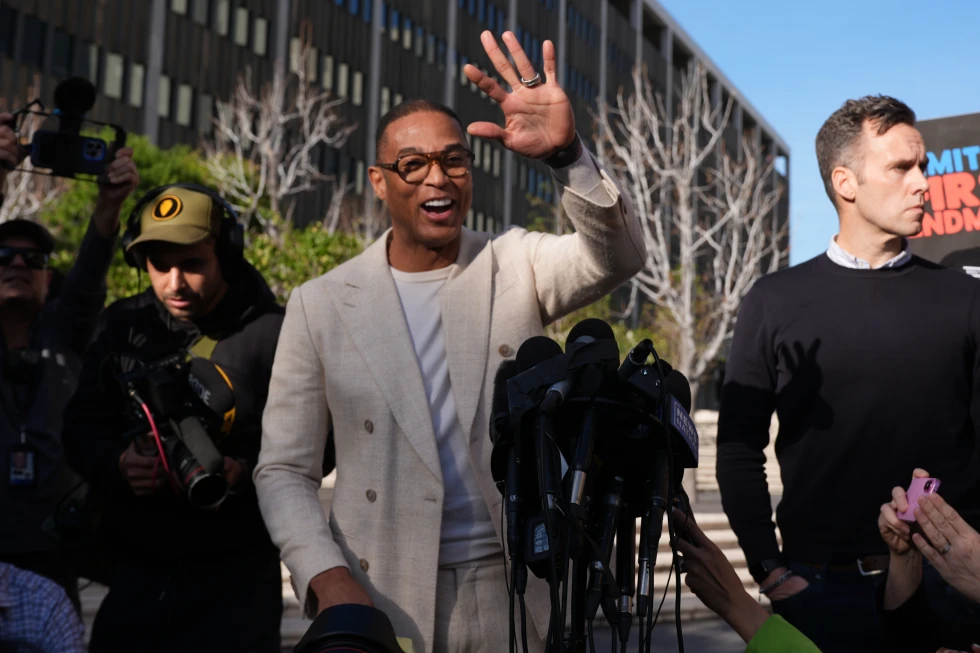
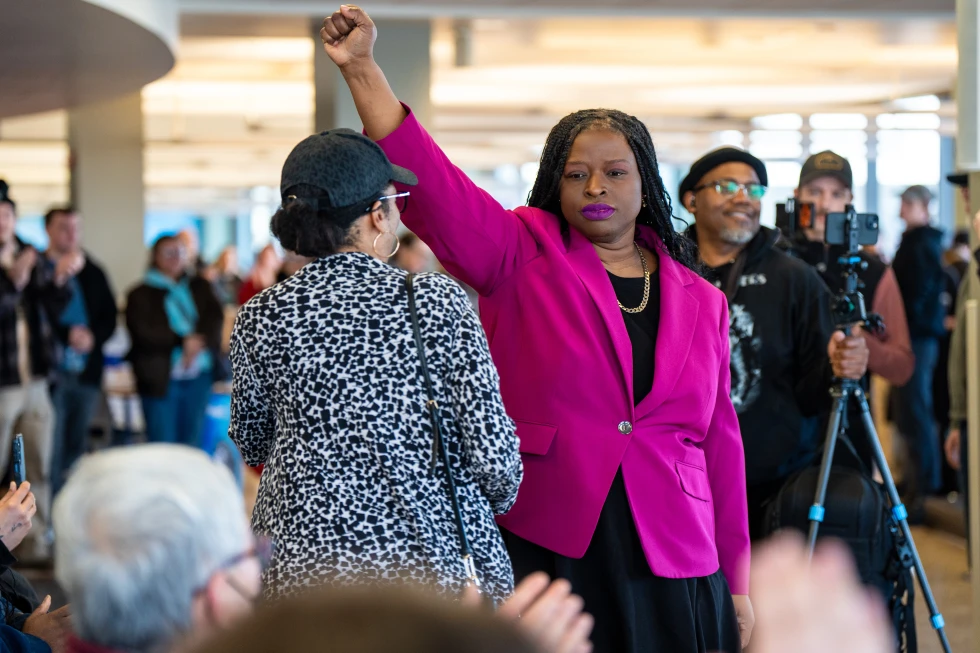
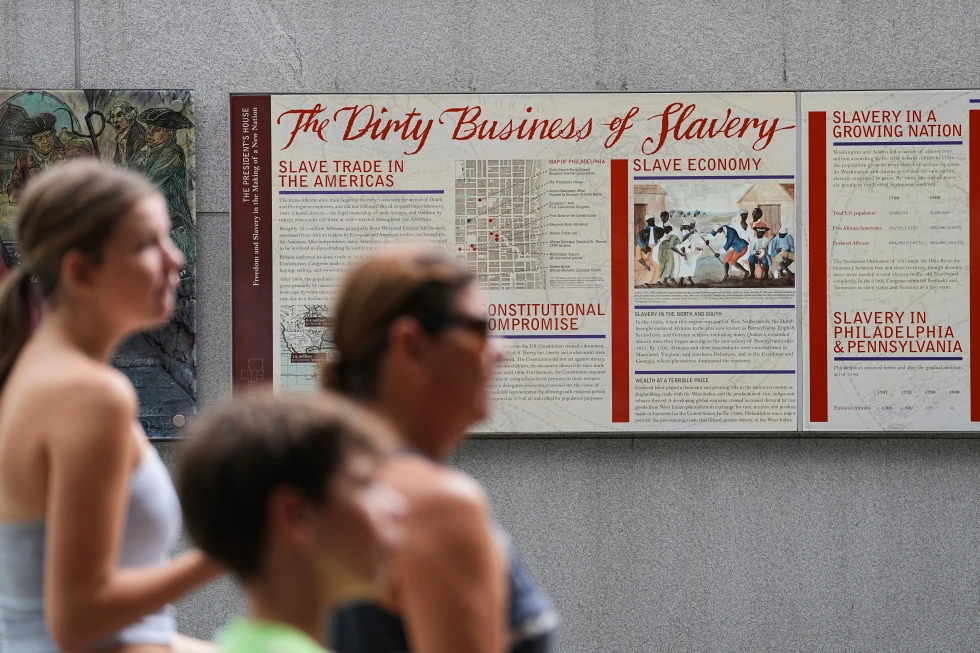
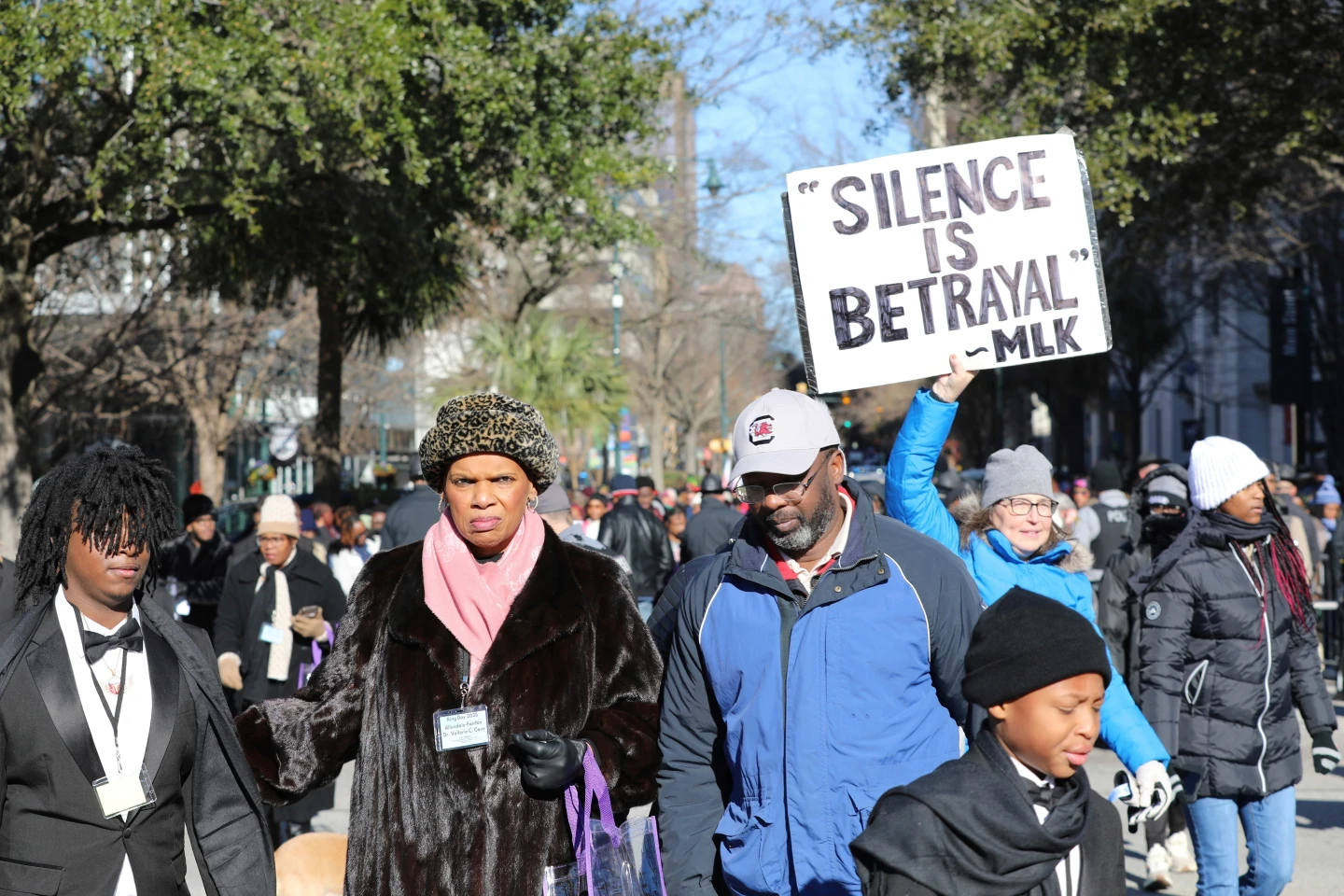
Critics, including civil rights scholar and former NAACP president Cornell William Brooks, voiced that this policy change represents a "raw and rank racism" targeting Black history and culture. Kristen Brengel, a spokesperson for the National Parks Conservation Association, emphasized the importance of Martin Luther King Jr. Day, which has traditionally seen increased volunteer work and community service in parks.
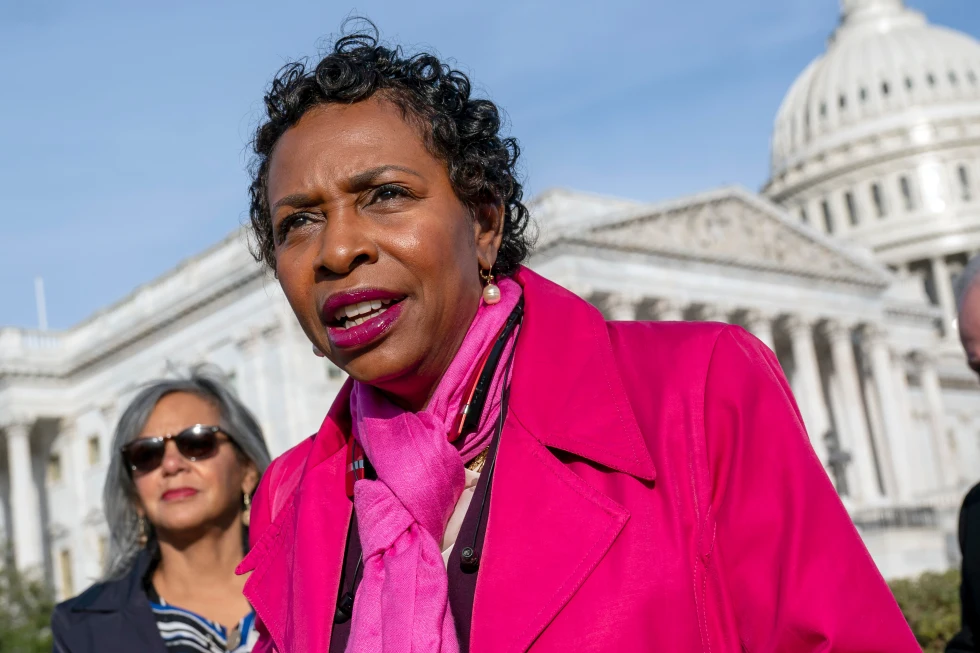
Democratic lawmakers have echoed similar sentiments, criticizing the removal of Martin Luther King Jr. Day from the free admission schedule as disrespectful to those who fought for civil rights.
As discussions swirl around the implications of these changes, the rationale from the Park Service remains unclear, prompting further scrutiny into the administration's approach to civil rights and historical recognition.