
In brief
The US Trade Representative's new measures, set to begin in 180 days, aim to impose fees based on cargo weight, potentially reshaping global trade dynamics and consumer costs.
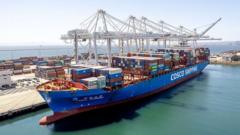
The Trump administration has formally announced plans to levy port fees on vessels arriving from China, as part of a broader strategy to rejuvenate the US shipbuilding sector and reduce the growing dominance of China's maritime industry. This new initiative, outlined by the US Trade Representative (USTR), marks a milder approach compared to previously proposed fees of up to $1.5 million per visit for Chinese ships at American ports.Scheduled to take effect within the next 180 days, the fees will increase incrementally over the coming years and have raised red flags about potential disruptions to global trade, particularly in light of ongoing tariff policies enacted by President Donald Trump. The USTR emphasized the need for these measures, arguing that China's position in the market puts American companies and workers at a significant disadvantage.The fee structure will vary depending on the type of vessel and its cargo. Bulk carriers will incur charges based on the weight of their cargo, while container ships will be assessed fees based on the number of containers. Initial fees will be set at $50 per ton of cargo for Chinese vessels, escalating by $30 each year for three years. Conversely, container ships built in China will face fees starting at $18 per ton or $120 per container, which will similarly rise over the next three years. Notably, cars aboard non-US ships will attract a fee of $150 per vehicle, but vessels carrying empty bulk goods will remain exempt from these charges.In a subsequent phase, slated for three years after the initial rollout, the USTR plans to introduce more regulations favoring US-built ships transporting liquified natural gas (LNG), which will gradually increase in strictness over the following two decades.These new fees come at a time when global trade is already feeling the impact of Trump's tariffs, with reports indicating that many shipments initially meant for the US are now being redirected to European ports. Industry experts caution that such shifts will likely increase prices for American consumers.Despite the intent to protect US industries, the Trump administration's tariffs—some reaching as high as 245%—have caused significant delays and congestion at port facilities in the US and Europe. Data from the first quarter of 2025 reflects a 15% increase in Chinese imports to the UK and a 12% rise to the EU, showcasing the direct effects of the current trade landscape.Sanne Manders, a logistics expert, noted that ongoing strikes at various ports in Europe have exacerbated the situation, contributing to severe congestion. Shippers are proactively seeking new markets while anticipating a potential influx of goods to the US as companies rush to meet the deadline for existing tariff exemptions.Overall, these developments present a complex challenge for both American and European consumers, as the decisions made by the Trump administration could reshape consumer costs and trade patterns for years to come.


