In what has been described as an unprecedented operation in modern U.S. politics, Nicolás Maduro, the embattled president of Venezuela, was apprehended by U.S. forces following an elaborate plan detailed as 'Operation Absolute Resolve.' Launched at dawn, the military action lasted a mere 150 minutes, highlighting the effectiveness and speed of U.S. forces during the operation.
The operation commenced with coordinated airstrikes on key military installations in Caracas, specifically targeting the Fuerte Tiuna complex, where the Maduro couple was located. Eyewitness reports indicated a series of loud explosions preceding the military incursion, leading to power cuts in the city and significant confusion among the local population.
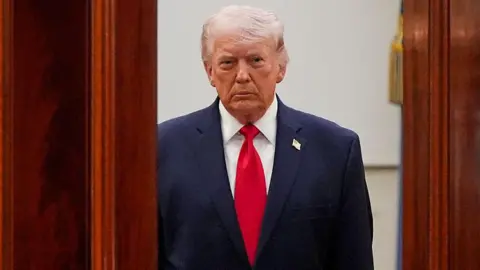
Using helicopters from the elite U.S. Delta Force, troops swiftly descended upon the complex. Witnesses claim that as Maduro and Flores sought refuge in a fortified safe room, U.S. soldiers made their entrance and took control without any noteworthy resistance. President Donald Trump revealed that the Maduros attempted to escape into a military 'fortress' but were intercepted just in time.
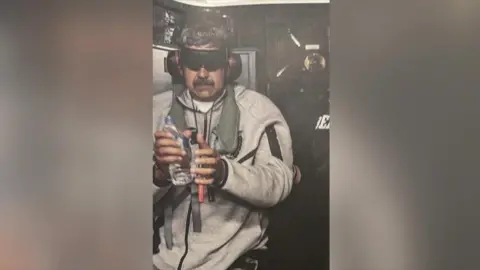
Post-capture, Maduro was flown approximately 2,100 miles to New York City, passing through Guantanamo Bay before landing. He appeared in photos, handcuffed and wearing protective goggles, as he was taken into U.S. custody where he faces charges including narco-terrorism and weapons violations.
As tension mounts between the U.S. and Venezuela, the arrest of Maduro signifies a shift in diplomatic relationships. It raises questions about future policies and the impending trial that could reshape U.S. interactions with Latin America.
Nicolás Maduro's capture, along with the sweeping military operation that brought him down, marks a pivotal moment in U.S. foreign policy and raises numerous questions about the broader implications for the region.