For months, US spies had been monitoring Venezuelan President Nicolas Maduro's every move. A small team, including one source within the Venezuelan government, had been observing where the 63-year-old slept, what he ate, what he wore, and even, according to top military officials, 'his pets'.
Then, in early December, a planned mission dubbed 'Operation Absolute Resolve' was finalized. It was the result of months of meticulous planning and rehearsals, which included elite US troops creating a full-size replica of Maduro's Caracas safe house to practice their entry routes.
The plan amounted to an extraordinary military intervention not seen in Latin America since the Cold War, kept secret from Congress. As conditions were fine-tuned for maximum surprise, a false start occurred when President Trump granted approval four days earlier, but the military chose to wait for clearer skies.
'Over the weeks through Christmas and New Year, US military personnel stood ready, waiting for the right moment to act,' revealed General Dan Caine, the top military officer, in a press conference.
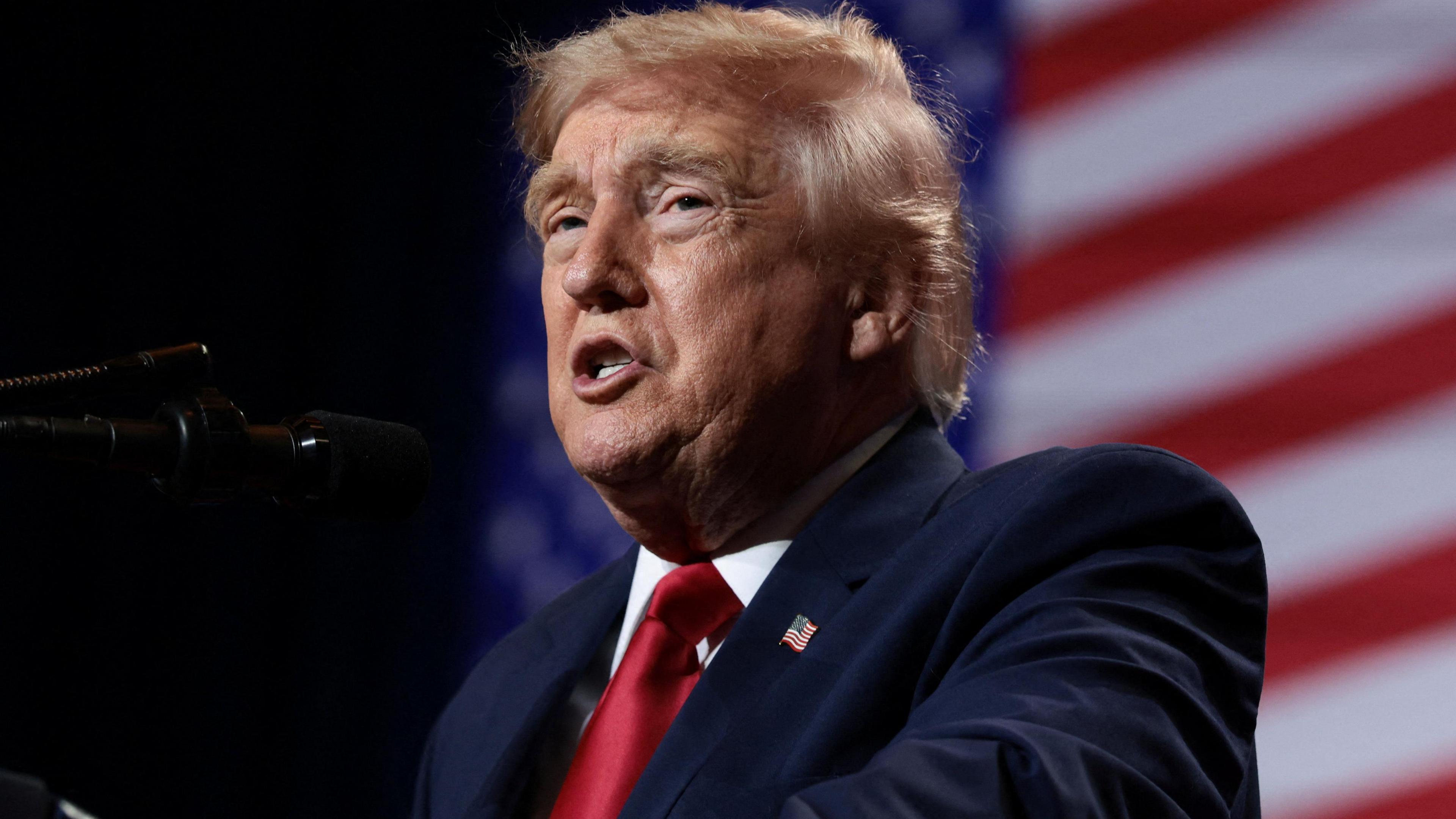
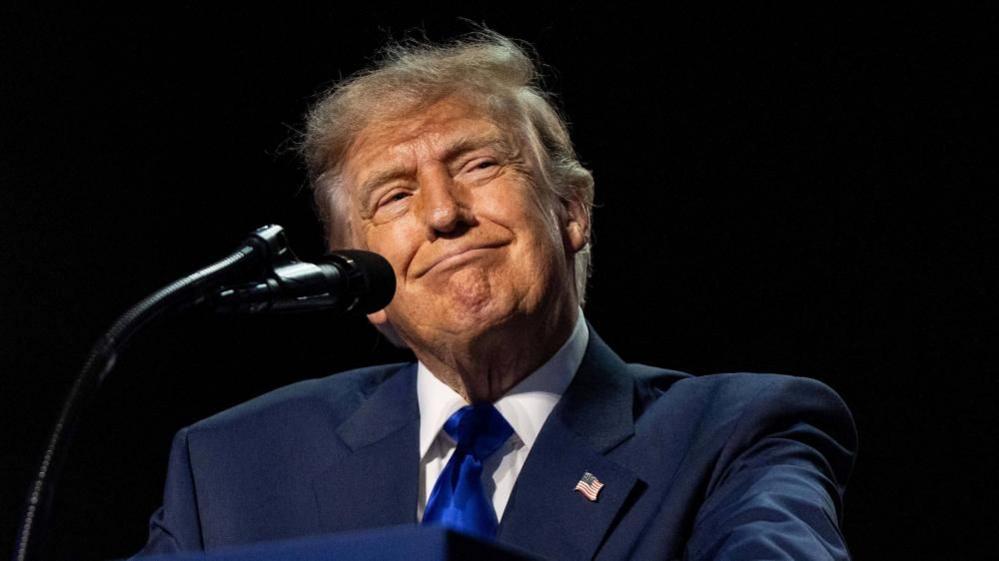
The order to commence the operation finally arrived at 22:46 EST on Friday. Trump recounted, 'We were going to do this four days ago, three days ago, two days ago, and then all of a sudden it opened up. And we said: go.'
What followed was a military operation launching air, land, and sea maneuvers, covering two hours and twenty minutes. The scale and precision shocked many, inciting immediate condemnation from global leaders, including Brazil's President Lula da Silva, who warned of dangerous precedents.
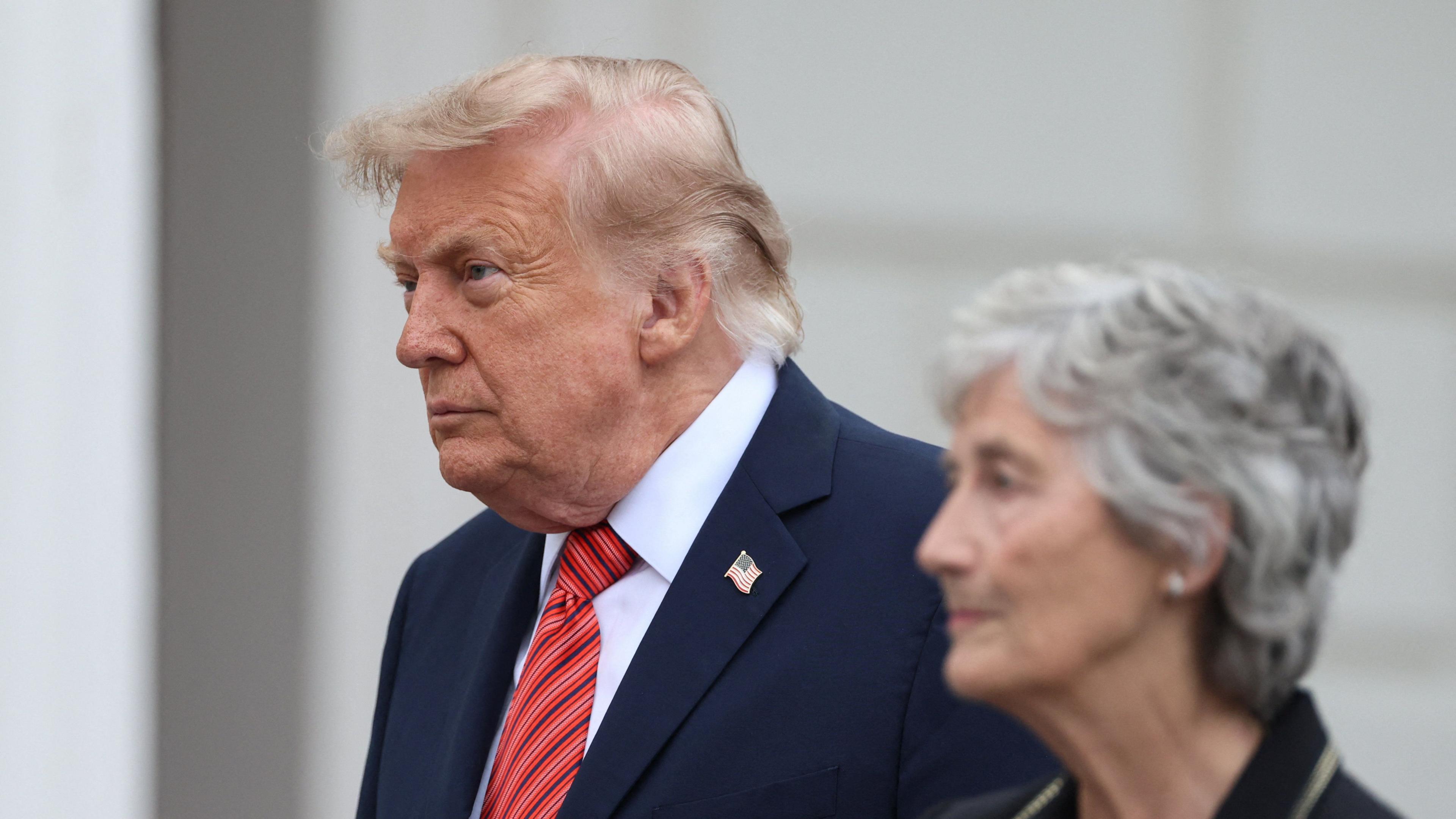
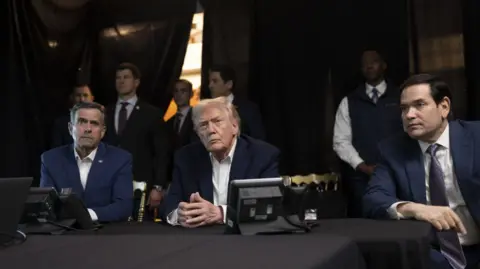
Trump observed the operation from his Mar-a-Lago estate alongside advisers, surmising that the captured Maduro and his wife would soon face the full extent of American justice.
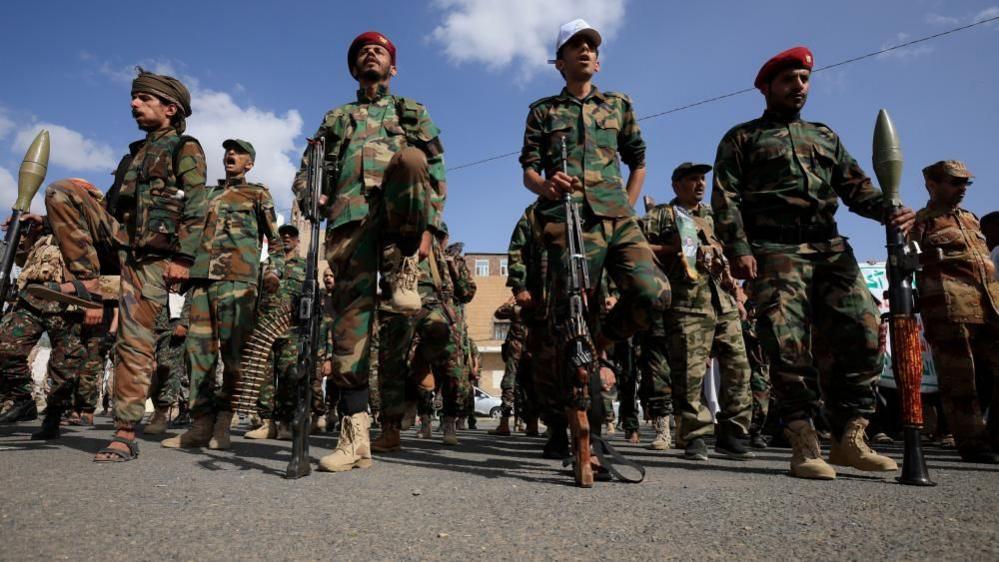
On the ground, elite Delta Force operatives faced heavy resistance upon arriving at Maduro's fortified compound, where he attempted to escape. Ultimately, the mission resulted in Maduro's capture and sparked intense debates over the legality and implications of such unilateral military action.
Then, in early December, a planned mission dubbed 'Operation Absolute Resolve' was finalized. It was the result of months of meticulous planning and rehearsals, which included elite US troops creating a full-size replica of Maduro's Caracas safe house to practice their entry routes.
The plan amounted to an extraordinary military intervention not seen in Latin America since the Cold War, kept secret from Congress. As conditions were fine-tuned for maximum surprise, a false start occurred when President Trump granted approval four days earlier, but the military chose to wait for clearer skies.
'Over the weeks through Christmas and New Year, US military personnel stood ready, waiting for the right moment to act,' revealed General Dan Caine, the top military officer, in a press conference.
The order to commence the operation finally arrived at 22:46 EST on Friday. Trump recounted, 'We were going to do this four days ago, three days ago, two days ago, and then all of a sudden it opened up. And we said: go.'
What followed was a military operation launching air, land, and sea maneuvers, covering two hours and twenty minutes. The scale and precision shocked many, inciting immediate condemnation from global leaders, including Brazil's President Lula da Silva, who warned of dangerous precedents.
Trump observed the operation from his Mar-a-Lago estate alongside advisers, surmising that the captured Maduro and his wife would soon face the full extent of American justice.
On the ground, elite Delta Force operatives faced heavy resistance upon arriving at Maduro's fortified compound, where he attempted to escape. Ultimately, the mission resulted in Maduro's capture and sparked intense debates over the legality and implications of such unilateral military action.