Oracle's shares plunged more than 10% in after-hours trading due to a shortfall in revenue that disappointed Wall Street analysts. The cloud computing giant reported revenues of $16.06 billion, which was below the anticipated $16.21 billion for the three-month period ending in November.
Although revenue growth saw an increase of 14%, Oracle's AI business, particularly its Oracle Cloud Infrastructure (OCI), reported a remarkable 68% surge in sales. This rise reflects OCI's significance as it caters to major AI technology developers.
Despite these growth figures, Oracle's latest earnings report has intensified concerns about an impending AI bubble, with analysts wary of the potential overexposure related to its strategic partnerships, particularly with OpenAI. In September, Oracle secured a blockbuster agreement with OpenAI for $300 billion in computing power over five years. This partnership initially propelled Oracle's stock to new heights.
However, shares have since seen a significant decline, losing around 40% of their value from previous highs. Since the start of the year, the stock is still up by over a third, but the recent earnings miss has heightened scrutiny over the company's aggressive spending on AI and mounting debt accumulated from expansion efforts, including a record $18 billion bond sale.
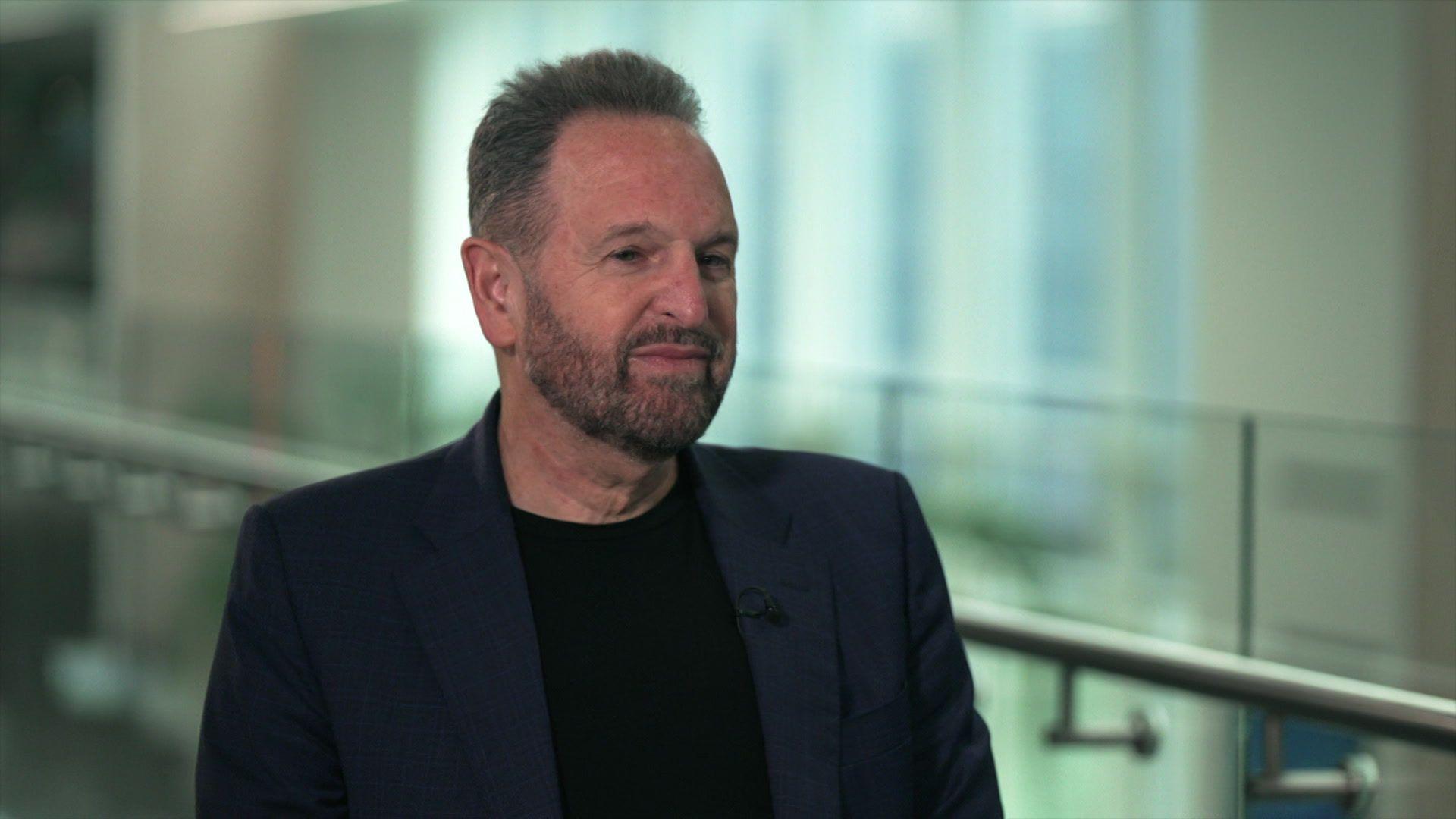
Oracle's Chairman and CTO, Larry Ellison, expressed a cautious outlook regarding the evolving AI landscape in his post-earnings remarks. He emphasized the need for agility in response to rapid changes in technology. Additionally, he introduced a 'chip neutrality' policy, aiming to source chips from multiple manufacturers to meet client needs.
Analysts, including Jacob Bourne from Emarketer, highlighted that the additional scrutiny centers on Oracle's increasing debt related to building data centers, which may impact investor confidence moving forward.