Police block thousands of ‘cockroach’ protesters marching on India’s Parliament
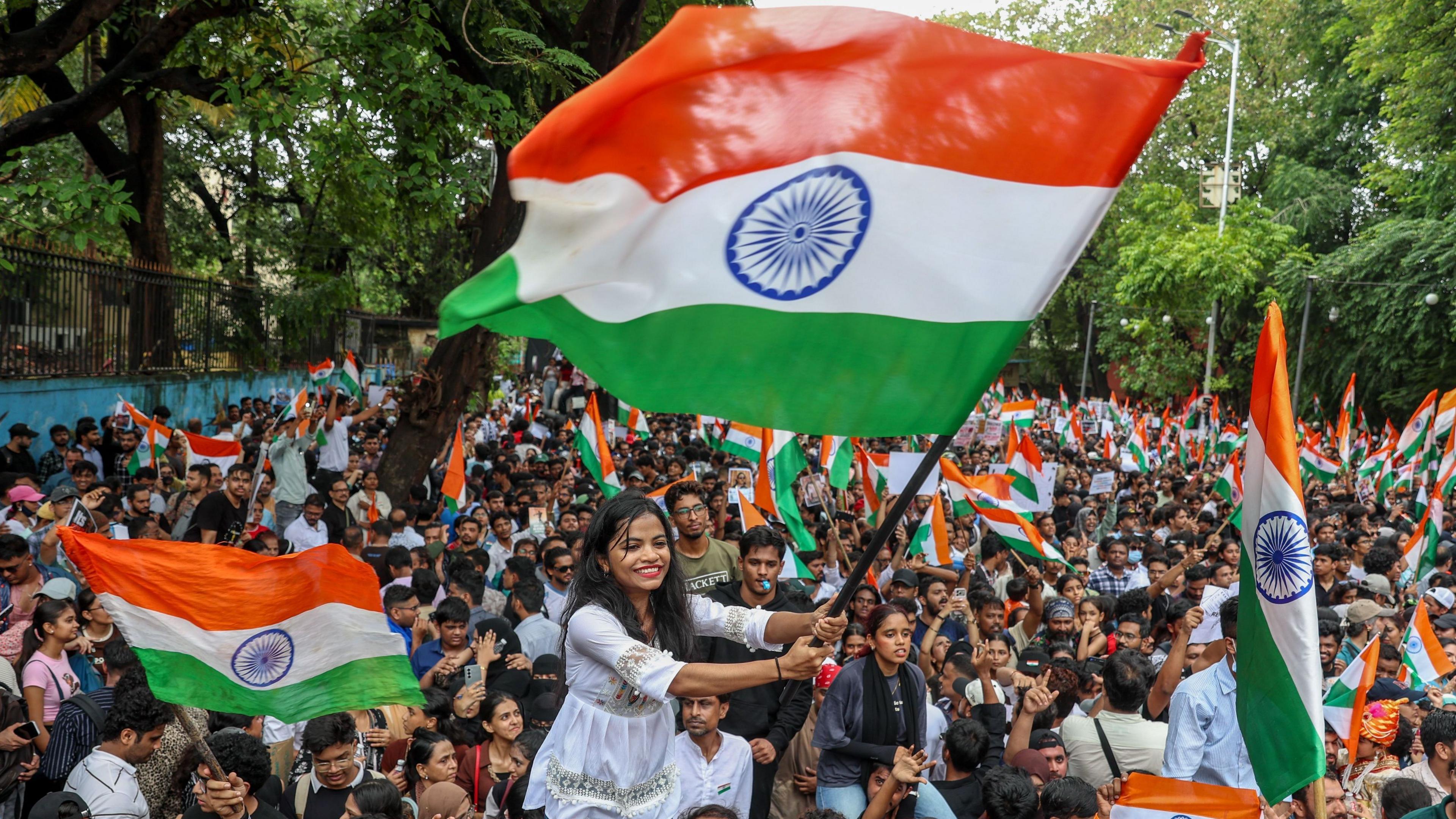
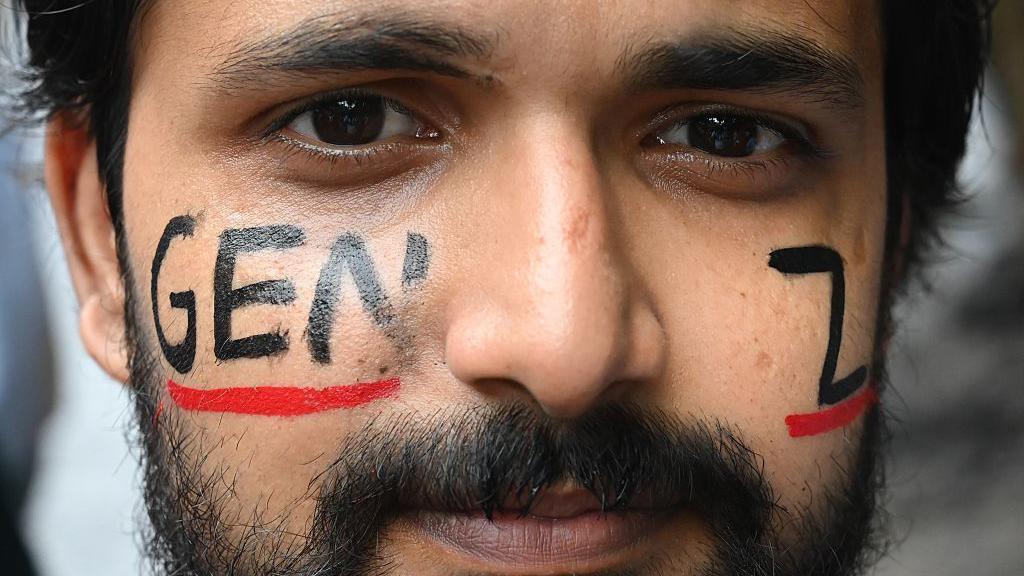
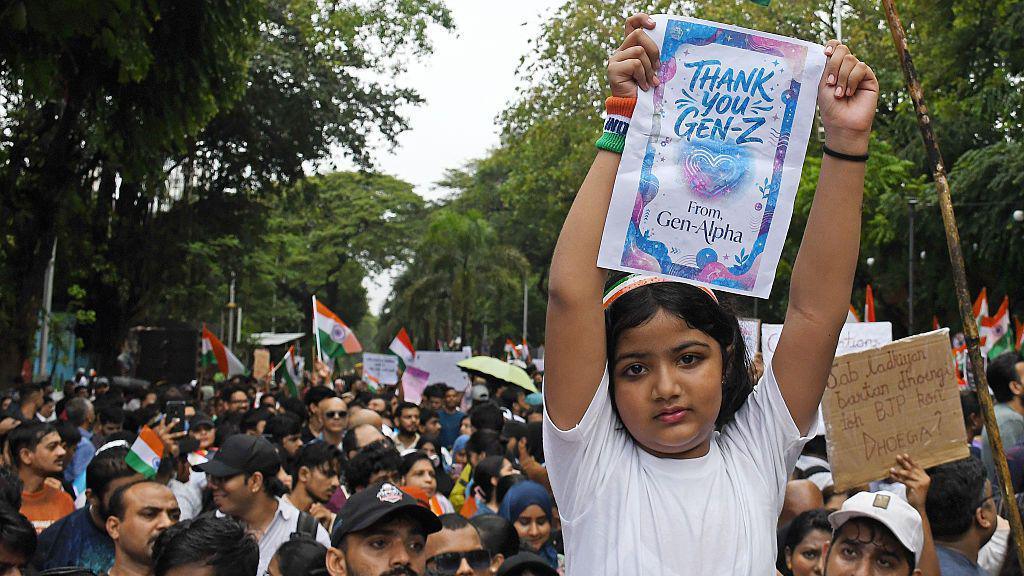
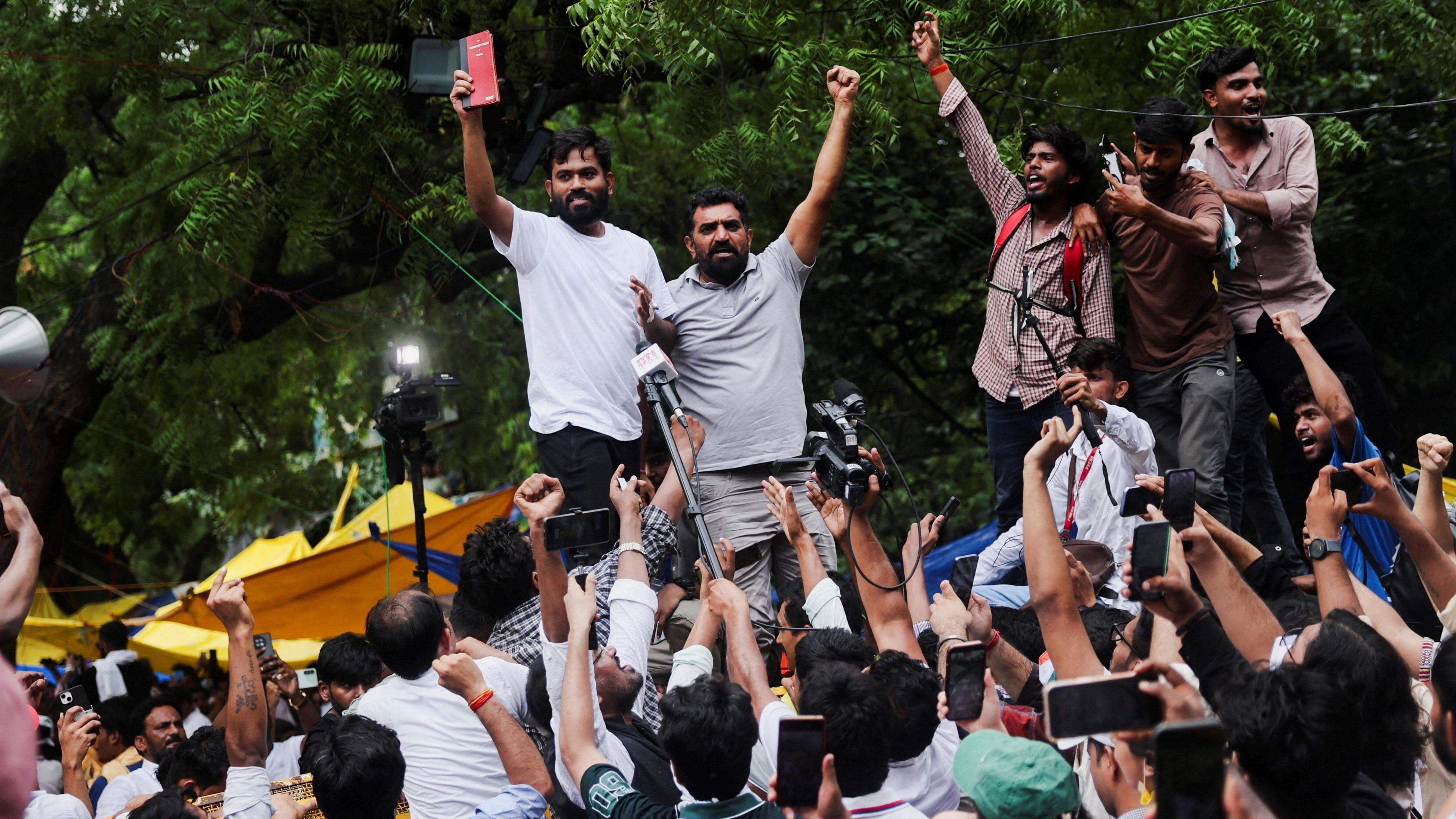
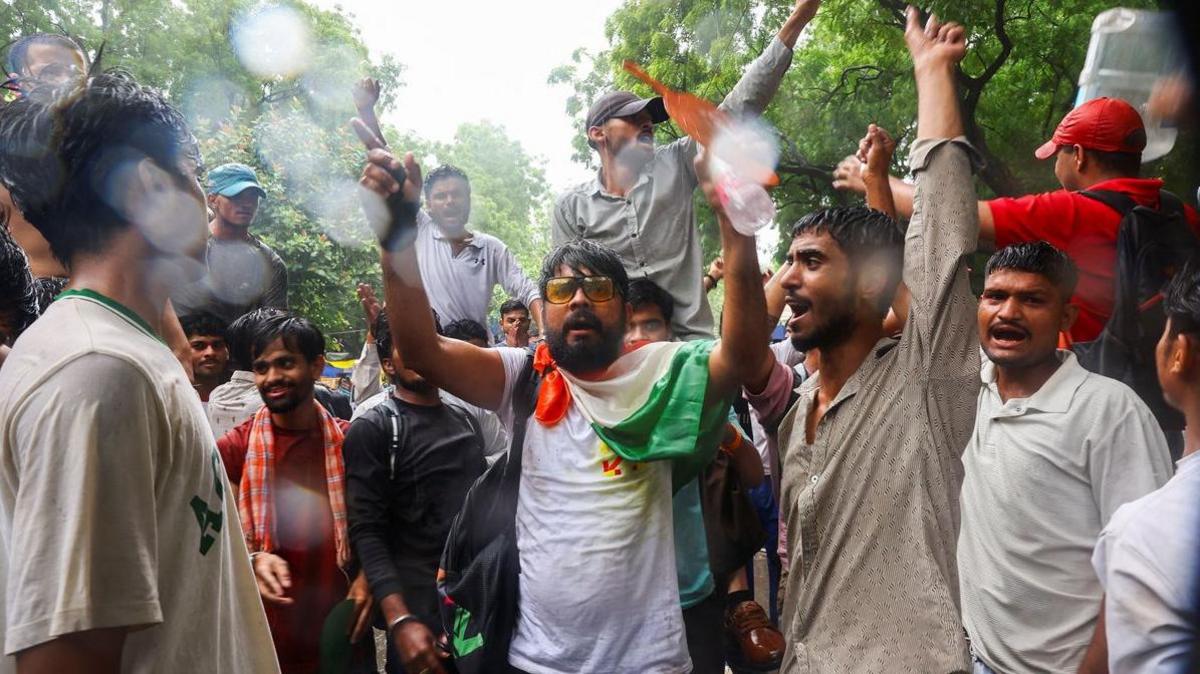
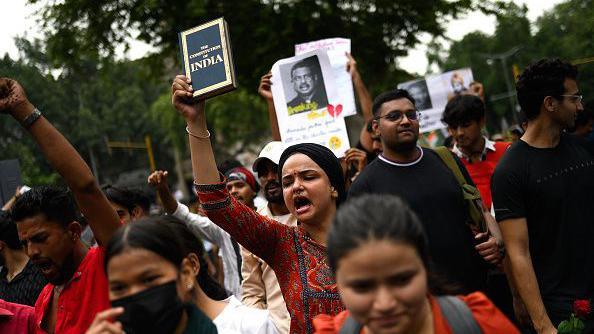
People gathered at the 300‑year‑old Jantar Mantar observatory in early morning, followed by waves of students, parents, teachers and professionals. The crowd, organized by the youth‑led Cockroach Janta Party (CJP), stood with Indian flags, painted placards and food in hand while rain fell from the sky.
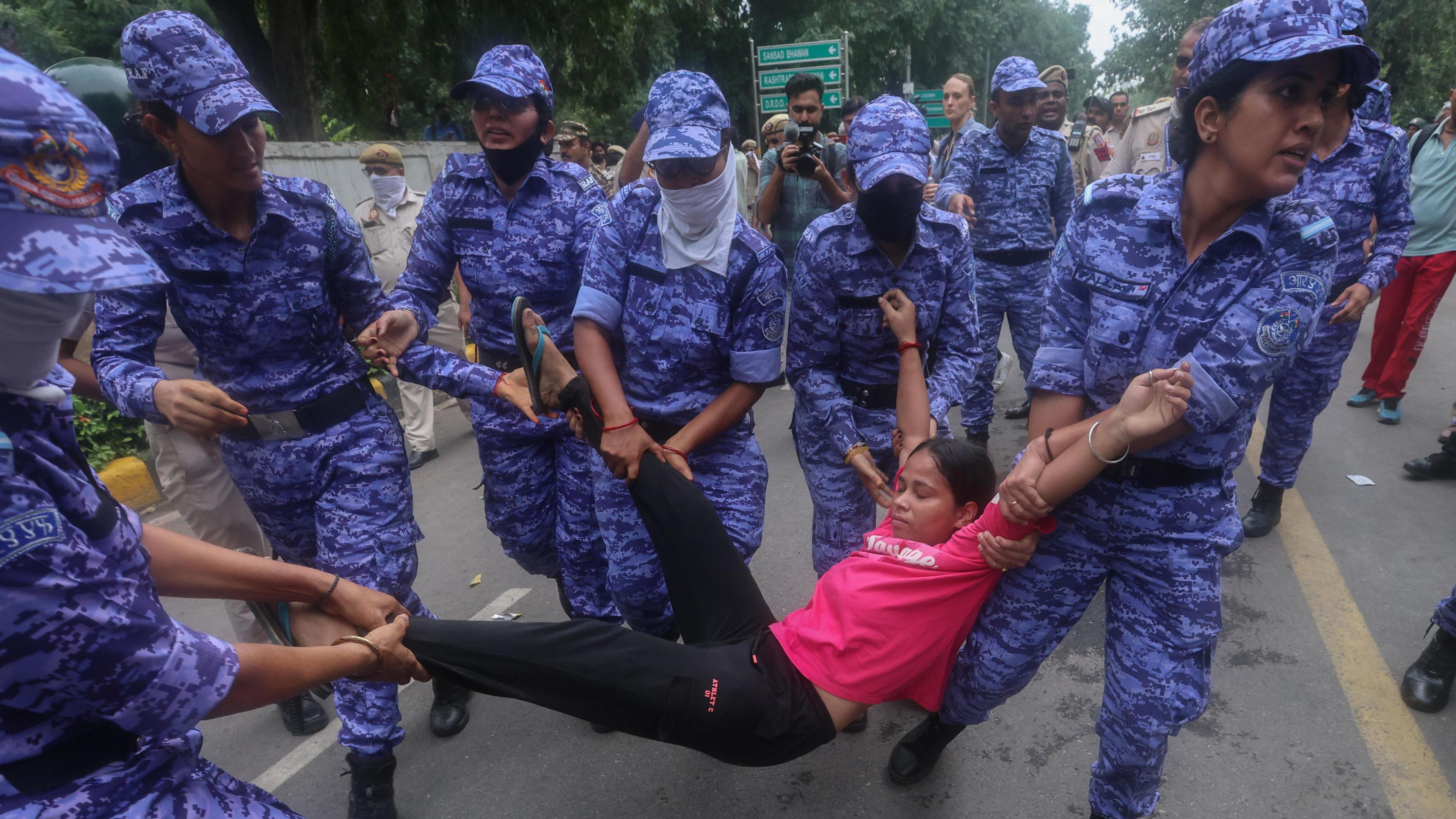
Despite a police ban on entry to parliament, demonstrators pushed forward, only to be stopped by a series of barricades. Police used baton charges to disperse several groups, resulting in injuries of at least ten protesters, with a volunteer doctor treating those who were hurt.
The protests stem from accusations of leaked NEET exam papers, which the CJP says point to a broader crisis in the country’s education system. The movement has become one of the most visible expressions of dissent against Prime Minister Narendra Modi’s government in recent years.
During the chaos, activists attempted a march into the Parliament’s Monsoon Session. The session repeatedly adjourned as opposition MPs continued to protest over alleged exam irregularities. Meanwhile, the crowd’s numbers grew as the rain did little to dampen their determination.
A volunteer doctor, Gaurish Batra, reported that injuries were caused in police baton charges, and a woman with a suspected broken leg was also treated on the scene.
By afternoon, representatives of the CJP met with Health Minister JP Nadda outside his residence. They presented a formal letter outlining their demands, but the meeting did little to defuse tensions. Nadda urged protesters to end their demonstration to restore normality in the capital.
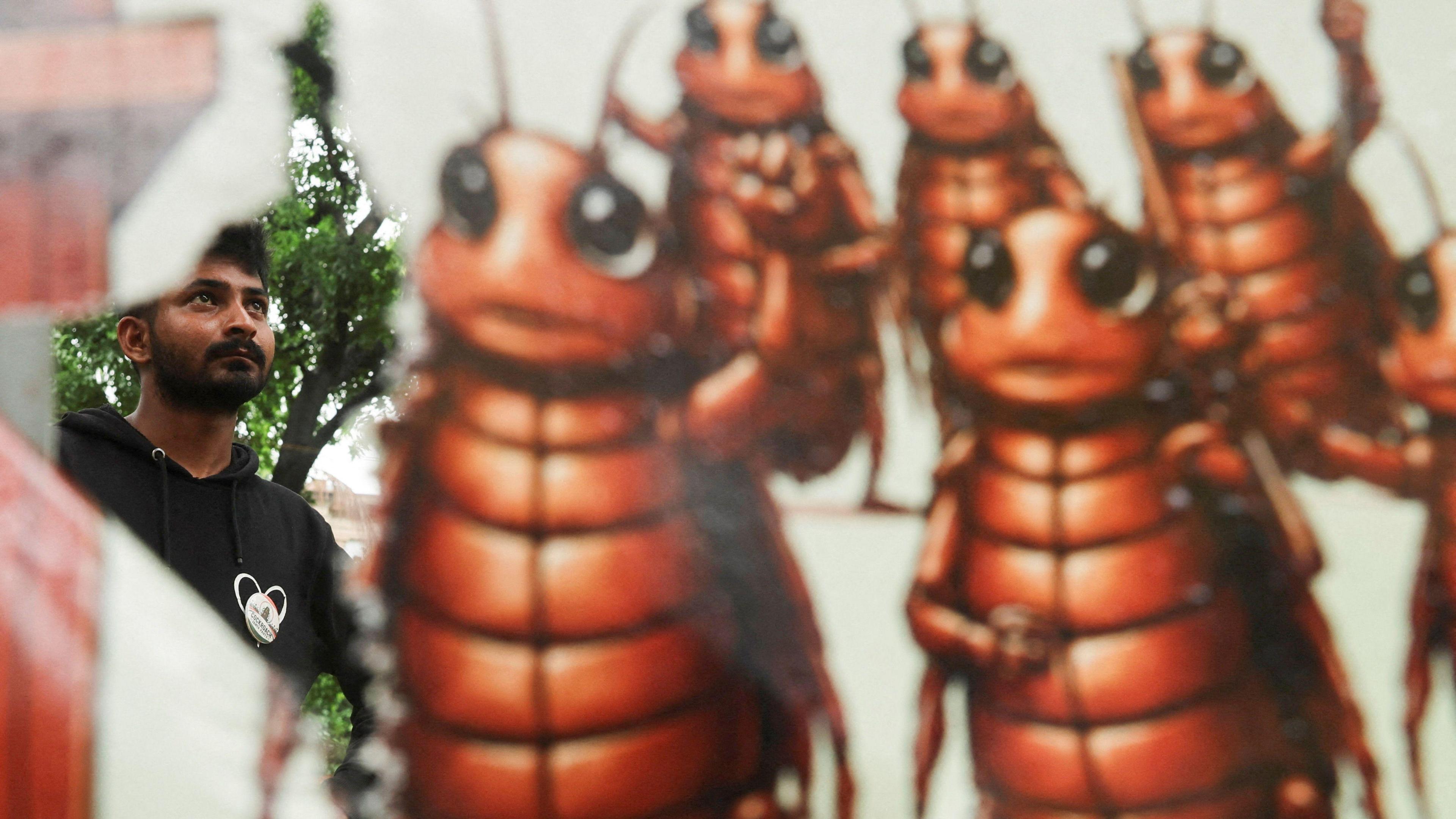
Despite the brief clash, tens of thousands remained at Jantar Mantar, hoping for permission to continue their march. The CJP’s name, derived from a Chief Justice’s remark comparing unemployed youth to “cockroaches,” has become a potent symbol of frustration over job prospects, transparency and accountability.
While the protest continued under the rain, volunteers covered groups with blue tarpaulins to keep them dry, tactics encouraging solidarity. A commercial pilot, Samrat Khanna, said he had swapped flights to attend the march, citing his sense of duty to join the cause.
At the height of the protest, police in riot gear announced that protestors had no longer permission to remain at the site. They began pushing demonstrators back, leading to some fleeing while others stood their ground. The CJP later clarified that their founder Abhijeet Dipke was not detained, a claim denied by Delhi Police as“entirely false”.
In conclusion, the 'cockroach' protest illustrates a growing wave of discontent that extends beyond exam controversies to encompass broader systemic grievances. The police decision to halt protesters at Parliament marks a moment of heightened tension, underlining the risks of authoritarian suppression of dissent on social media. This protest remains a pivotal point for citizens who wish to fight for transparency and accountability in their democratic institutions.