
In brief
South Carolina lawmakers are considering a bill that proposes some of the strictest abortion penalties in the United States. It includes a ban on abortions unless a woman's life is at risk, eliminates exceptions for rape and incest, and imposes potential prison sentences of up to 30 years for women and anyone assisting them in obtaining an abortion. This proposal has sparked division among anti-abortion advocates and raised serious concerns about restricting access to contraception and informing patients about legal options. The bill's future remains uncertain as it navigates the legislative process.
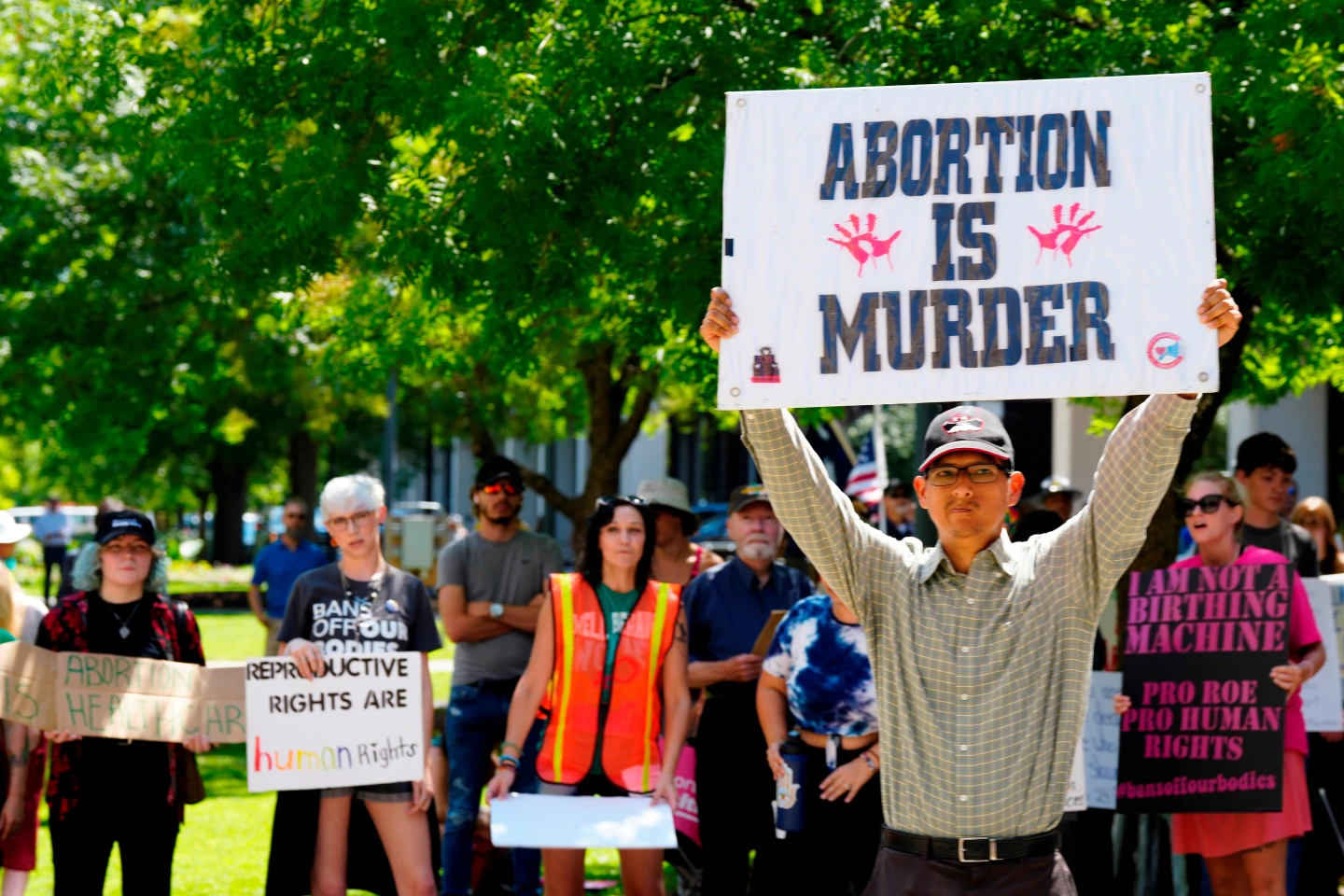
COLUMBIA, S.C. — South Carolina is considering a controversial new bill that could impose some of the strictest penalties for abortion in the nation, prompting intense backlash from various groups characterized by divided opinions. Key provisions of the proposed bill include prohibiting all abortions except when a woman’s life is at risk, eliminating exceptions for rape and incest victims, and imposing severe prison sentences of up to 30 years for women who undergo abortions and those who assist them within this framework. The legislation, which faces a precarious path through the state Senate, has ignited concerns among healthcare professionals, particularly about the potential chilling effects on discussions surrounding contraceptive options and in-vitro fertilization—a factor raising alarm over the implications for women's health care rights. OB-GYN Natalie Gregory expressed that the bill could turn fundamental conversations about reproductive health into a ‘legal minefield,’ drastically altering the landscape of healthcare delivery in the state.Additionally, the bill has exposed fissures within the anti-abortion community itself, with traditional proponents like South Carolina Citizens for Life proclaiming that punishing women is unjust and counterproductive. In contrast, factions advocating for stricter policies call for accountability regarding abortions, positioning these actions as tantamount to murder.Legal experts identify a tenacious shift in the political climate, noting that there's now a broader acceptance of these kinds of restrictive measures, which had previously been deemed radical. As the Senate considers this bill, the outcome remains uncertain amidst growing concerns that new legislative changes could further restrict women's rights and healthcare access throughout the conservative state.
