
In brief
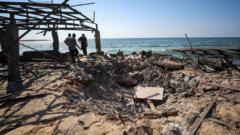
The recent Israeli bombardment of the al-Baqa Cafeteria, a bustling seaside cafe in Gaza City, claimed the lives of at least 40 people, including women and children. Initially meant to target a Hamas operative, the strike devastated the cafe as patrons gathered for leisure. Witnesses described scenes of horror with bodies and chaos following the explosion, which intensified debates on the proportionality of Israel's military actions in the region. The Israeli Defense Forces maintain that the strike aimed at terrorists, yet the extensive civilian toll raises significant concerns.
The al-Baqa Cafeteria was a vibrant gathering spot for artists, students, and athletes, cherished for its picturesque views and communal atmosphere. Eyewitness accounts share a grim narrative; during the strike, many reported that the cafe was not under evacuation orders, fostering a false sense of security among visitors. As resuscitation efforts commenced, staff and local sources expressed disbelief over the scale of destruction and loss, identifying many victims as family members, friends, and local influencers.In light of these events, the IDF stated that they aim to mitigate civilian risks during operational maneuvers, although specific inquiries regarding civilian casualties remained unanswered. Tributes emerged for the deceased, emphasizing the community's collective grief for lives lost in pursuit of militant operations. Amidst the ongoing conflict, the al-Baqa strike highlights the tragic intersection of warfare and civilian life, reminding us of the profound impact conflict has on communities. (Viewing the aftermath, the stories of victims such as young artists and sports enthusiasts have sparked further outrage, fueling debates on military ethics amidst escalating tensions.)

