
In brief
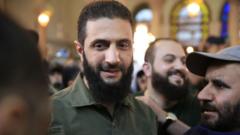
Following the fall of Assad's regime, Ahmed al-Sharaa emerges as Syria's new leader, but his ability to keep promises regarding governance and inclusivity remains uncertain amidst the nation's complex political landscape.
In a sudden turn of events in Syria, the fall of Homs has marked a significant moment for Ahmed al-Sharaa, the newly established leader and head of Hayat Tahrir al-Sham (HTS). With the Assad regime crumbling under pressure, al-Sharaa is tasked with leading the country away from its devastating past toward a more hopeful future. However, doubts linger among the populace regarding his commitment to reform and freedom.Al-Sharaa's ascent comes in light of the regime's failures, fueled by corruption and a lack of genuine support even from Assad's core community. Dismissing the image of an imminent Taliban-style governance model, al-Sharaa claims his intentions lie within a framework respecting Syrian culture and modernity. Yet, critics argue that he skirted details on women's rights and freedoms, suggesting potential conservatism may overtake aspirations for a pluralistic society.Despite his denials, many remain concerned about HTS’s alleged connection to extremist ideologies. In the context of rebuilding Syria, al-Sharaa acknowledges the significant challenges ahead, including the need for sanctions to be lifted, positioning his group away from terrorist labels imposed by the international community.As al-Sharaa pledges to honor the will of the Syrian people and address vast humanitarian crises, uncertainties about his leadership persist. With enemies on all sides, including remnants of the Islamic State and enduring Assad loyalists, the journey toward stability promises to be fraught with challenges. Observers question whether al-Sharaa can navigate the complex geopolitical landscape while fulfilling the basic needs and aspirations of a war-weary nation, especially with external powers vying for influence within its borders.

