
In brief
Prime Minister Benjamin Netanyahu is facing intense criticism from UN ambassadors regarding Israel's plans to "take control" of Gaza City. Despite backlash from several countries, Netanyahu maintains that the move is necessary to end the war and free Gaza from Hamas, while also claiming to address humanitarian concerns through planned aid.
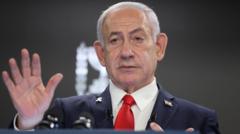
Israeli Prime Minister Benjamin Netanyahu is firmly defending his government's strategy to "take control" of Gaza City, asserting it as the "best way" to conclude the ongoing conflict, despite considerable international backlash during a UN Security Council emergency session. In a press conference aimed at dispelling misinformation, Netanyahu emphasized that their forthcoming offensive would advance rapidly with the intent to liberate Gaza from Hamas influence, refuting claims that Israel was starving the Palestinian population, and asserting that only Israeli hostages were facing starvation. During the UN meeting, convened to discuss Israel's aggressive approach, ambassadors from countries including the UK and France condemned the plans, cautioning that they risked breaching international humanitarian laws. Together with Denmark, Greece, and Slovenia, these nations urged Israel to retract its plans, arguing that they would not facilitate the return of hostages and could endanger their lives further. China condemned the "collective punishment" approach affecting Gazans, while Russia warned against escalating hostilities. Miroslav Jenca, the UN Assistant Secretary General, warned that implementing such plans could ignite further calamity and displacement within Gaza. Contrarily, the United States expressed support for Israel, with Ambassador Dorothy Shea criticizing the meeting as an attempt to accuse Israel of genocide, an allegation she firmly dismissed.Meanwhile, mass protests erupted across Israel against the plans, with demonstrators expressing concerns over the potential risks to hostages' safety and well-being. Netanyahu reiterated that the Israel Defense Forces (IDF) were tasked with dismantling Hamas strongholds and presented a three-step framework aimed at easing the humanitarian crisis in Gaza, which includes establishing safe corridors for aid distribution and increasing air drops.Amid these developments, Netanyahu highlighted that approximately 20 Israeli hostages are believed to still be alive in Gaza and insisted that inaction would prevent their release. He also criticized the international press for propagating what he called Hamas' narratives, labeling certain images that surfaced in global media as deceptive.As the conflict escalates, the situation in Gaza remains dire, with reports indicating that hundreds have died from malnutrition and starvation since aid distribution efforts began. The clash, marked by a significant Israeli military response to the October Hamas-led attack, continues to fuel debate over humanitarian intervention and the country's military strategy.

