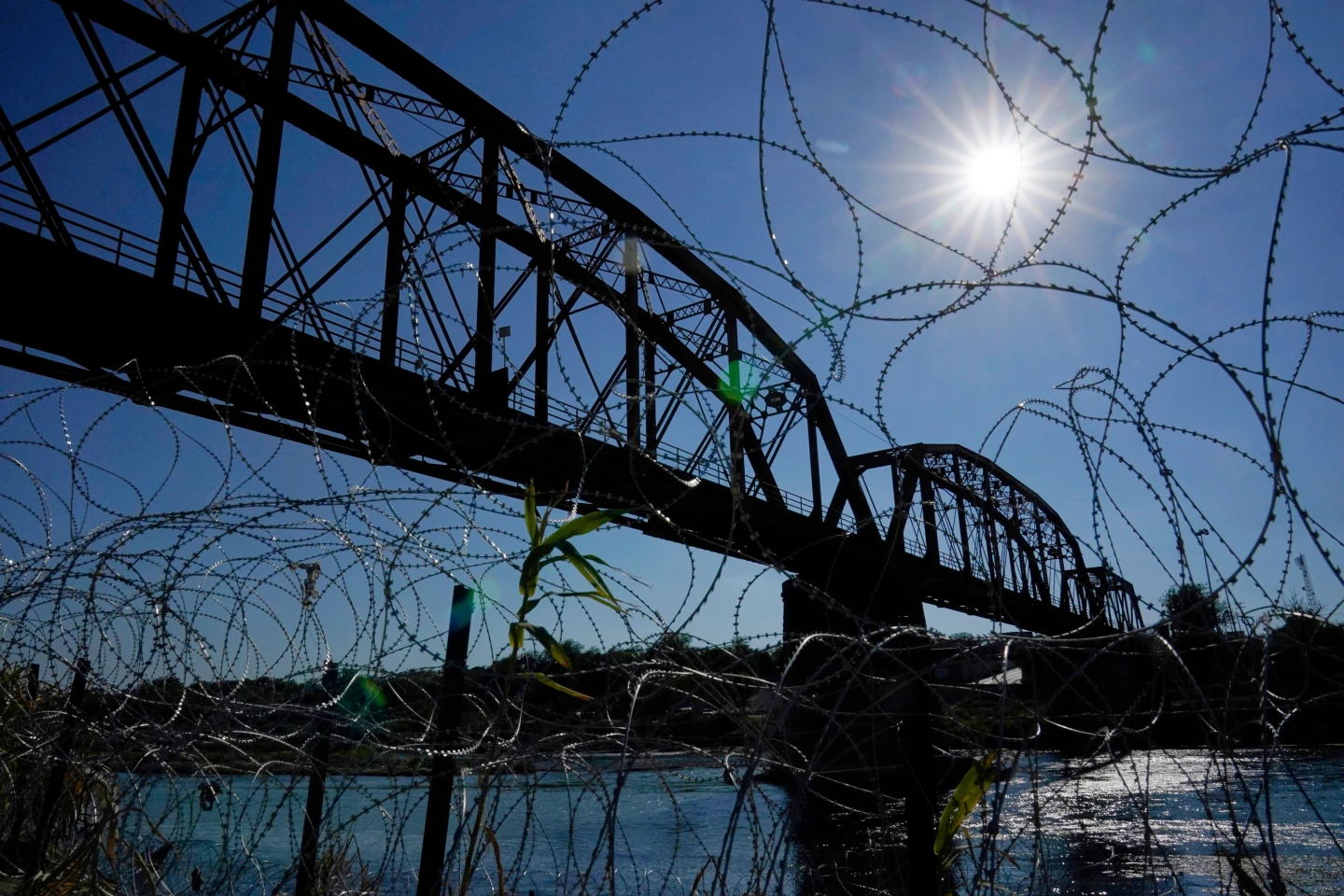
OMAHA, Neb. (AP) — A number of Mexican train crews who had just hauled trains over the border to American rail yards in Texas had trouble understanding important safety information in English during recent inspections ordered by the Trump administration.
Railroads Union Pacific and CPKC often use foreign crews for crossing trains over the border into U.S. rail yards before switching to American personnel. This practice has sparked concerns regarding safety and job security among various unions. The Brotherhood of Locomotive Engineers and Trainmen voiced their long-standing worries about the implications of using foreign crews.
In communication with both railroads, the Federal Railroad Administration urged a re-evaluation of their practices, ensuring that Mexican crews meet the essential requirement of English proficiency and do not operate trains more than ten miles into U.S. territory.
Union representatives have emphasized the necessity for effective communication to prevent accidents, asserting that the risk associated with language barriers is unacceptable. Meanwhile, both Union Pacific and CPKC have committed to complying with regulatory requirements and maintaining safety protocols.
Transportation Secretary Sean Duffy underlined the need for crews, whether operating large freight trains or commercial trucks, to be proficient in English. This requirement is critical for safe operations and emergency response.
Earlier actions by the Transportation Department to withhold $40 million from California for non-compliance with English proficiency policies are indicative of the importance of these regulations. Duffy warned of potential sanctions against more states mismanaging driver’s licenses for undocumented immigrants amid rising safety concerns linked to non-compliant drivers.
Duffy concluded, “Whether you’re operating an 80-ton big rig or a massive freight train, you need to be proficient in our national language — English.”
The inspectors noted that many Mexican crews encountered challenges in understanding operational bulletins and emergency guidelines, which poses serious safety risks. The unions have welcomed the administration's crackdown on these practices while calling for comprehensive reform in rail safety regulations, stressing that effective communication is paramount in safeguarding both the workforce and the public.
Railroads Union Pacific and CPKC often use foreign crews for crossing trains over the border into U.S. rail yards before switching to American personnel. This practice has sparked concerns regarding safety and job security among various unions. The Brotherhood of Locomotive Engineers and Trainmen voiced their long-standing worries about the implications of using foreign crews.
In communication with both railroads, the Federal Railroad Administration urged a re-evaluation of their practices, ensuring that Mexican crews meet the essential requirement of English proficiency and do not operate trains more than ten miles into U.S. territory.
Union representatives have emphasized the necessity for effective communication to prevent accidents, asserting that the risk associated with language barriers is unacceptable. Meanwhile, both Union Pacific and CPKC have committed to complying with regulatory requirements and maintaining safety protocols.
Transportation Secretary Sean Duffy underlined the need for crews, whether operating large freight trains or commercial trucks, to be proficient in English. This requirement is critical for safe operations and emergency response.
Earlier actions by the Transportation Department to withhold $40 million from California for non-compliance with English proficiency policies are indicative of the importance of these regulations. Duffy warned of potential sanctions against more states mismanaging driver’s licenses for undocumented immigrants amid rising safety concerns linked to non-compliant drivers.
Duffy concluded, “Whether you’re operating an 80-ton big rig or a massive freight train, you need to be proficient in our national language — English.”
The inspectors noted that many Mexican crews encountered challenges in understanding operational bulletins and emergency guidelines, which poses serious safety risks. The unions have welcomed the administration's crackdown on these practices while calling for comprehensive reform in rail safety regulations, stressing that effective communication is paramount in safeguarding both the workforce and the public.