In brief
The Senate Armed Services Committee is set to question military leaders about President Trump's deployment of the National Guard in numerous American cities. The legality of these actions has prompted concerns over states' rights and military use within the U.S., especially against the backdrop of legal challenges. Senator Tammy Duckworth has voiced her opposition, suggesting the President's pretexts for these deployments are false and emphasizing the traditional role of the Guard in emergency scenarios. The hearing marks the first major scrutiny outside the courtroom of Trump's military policies, coinciding with a federal ruling against using the California National Guard without state approval.
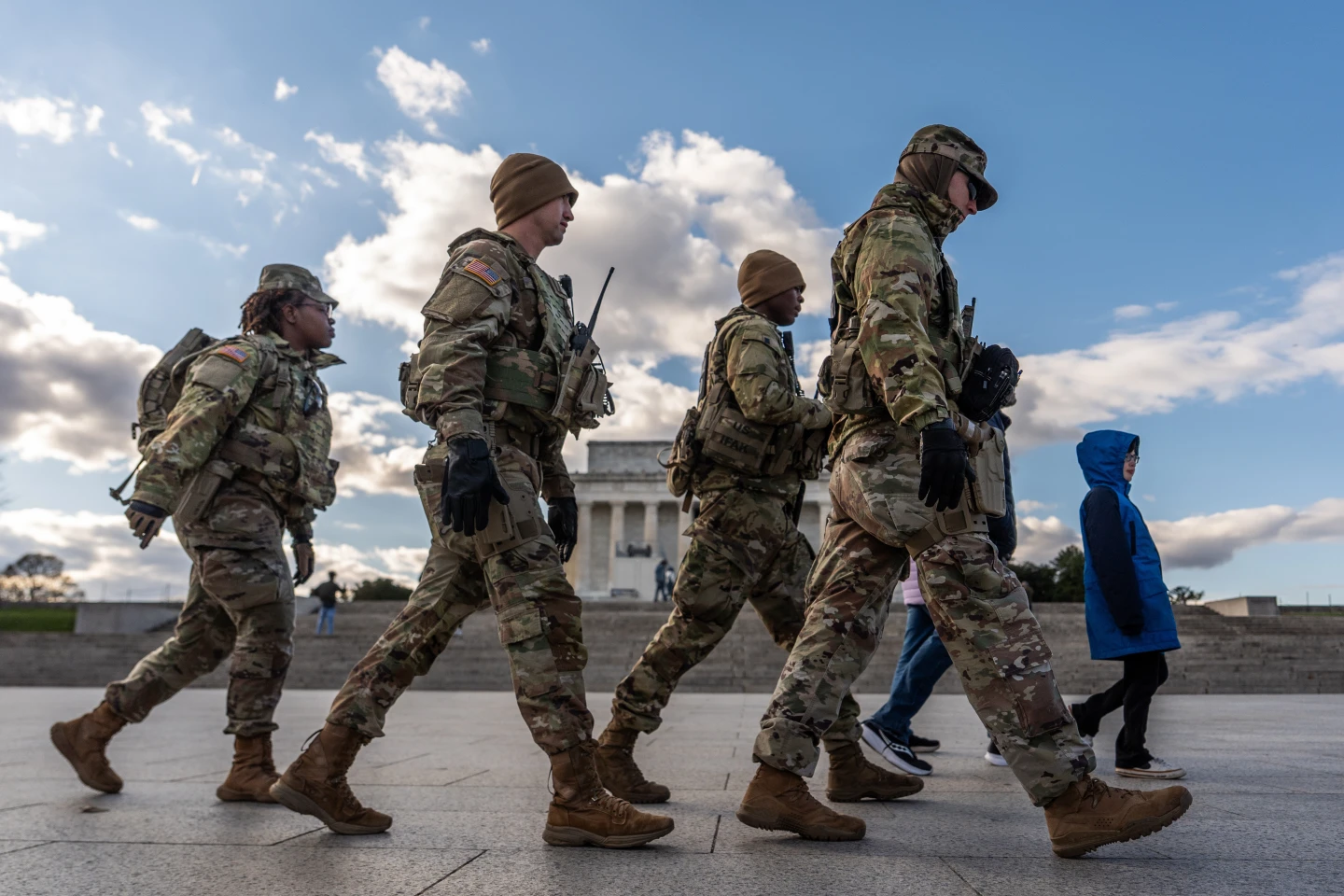
WASHINGTON (AP) — The Senate Armed Services Committee is preparing to question military leaders for the first time regarding President Donald Trump’s deployment of the National Guard in American cities. This development introduces significant legal challenges and raises questions about states’ rights as well as the military's role on U.S. soil. The hearing, set for Thursday, is expected to involve rigorous questioning of Pentagon officials over the constitutional authority behind various deployments occurring in cities against the wishes of local mayors and governors.Democratic Senator Tammy Duckworth of Illinois has asserted that she would threaten to block the annual defense bill if the Republican leadership continues to obstruct this critical hearing. She claims that the time for scrutiny is overdue, emphasizing the perilous implications of misusing military forces for domestic law enforcement purposes rather than for traditional disaster response. Duckworth criticized Trump, stating, 'Donald Trump is illegally deploying our nation’s service members under misleading if not false pretexts.'The hearing occurs just days after a federal judge ruled that the deployment of California National Guard troops must cease, returning them to state control, as the Trump administration plans an appeal. Historically, such military deployments, especially concerning immigration enforcement, would require state requests, raising concerns over military resources being employed for purposes outside their traditional roles.