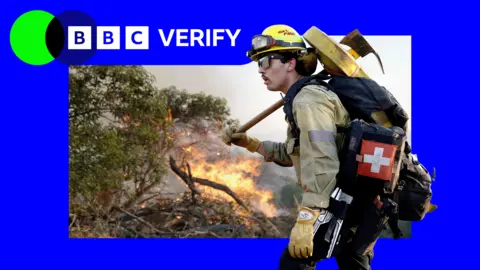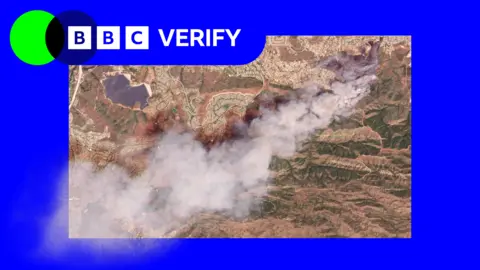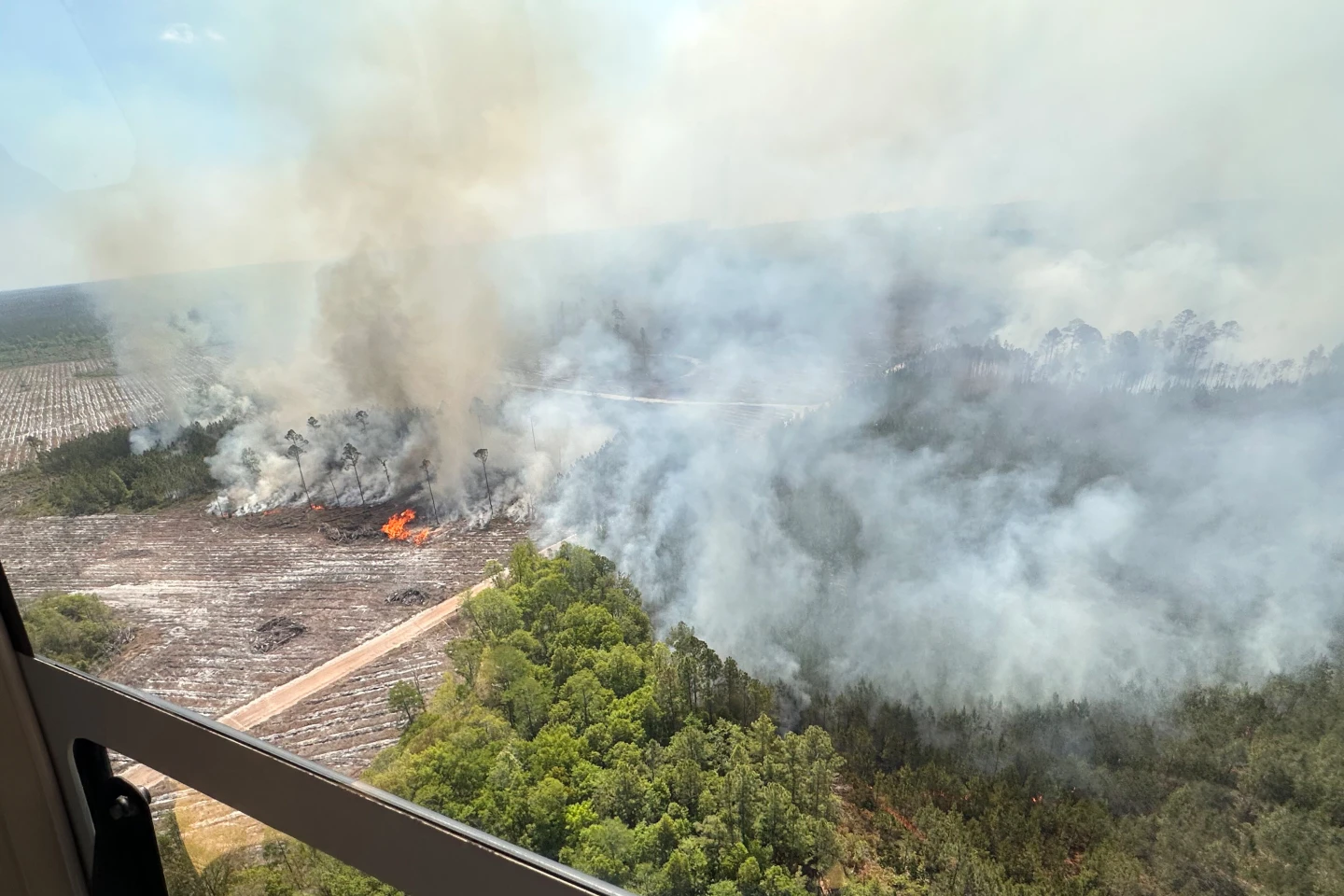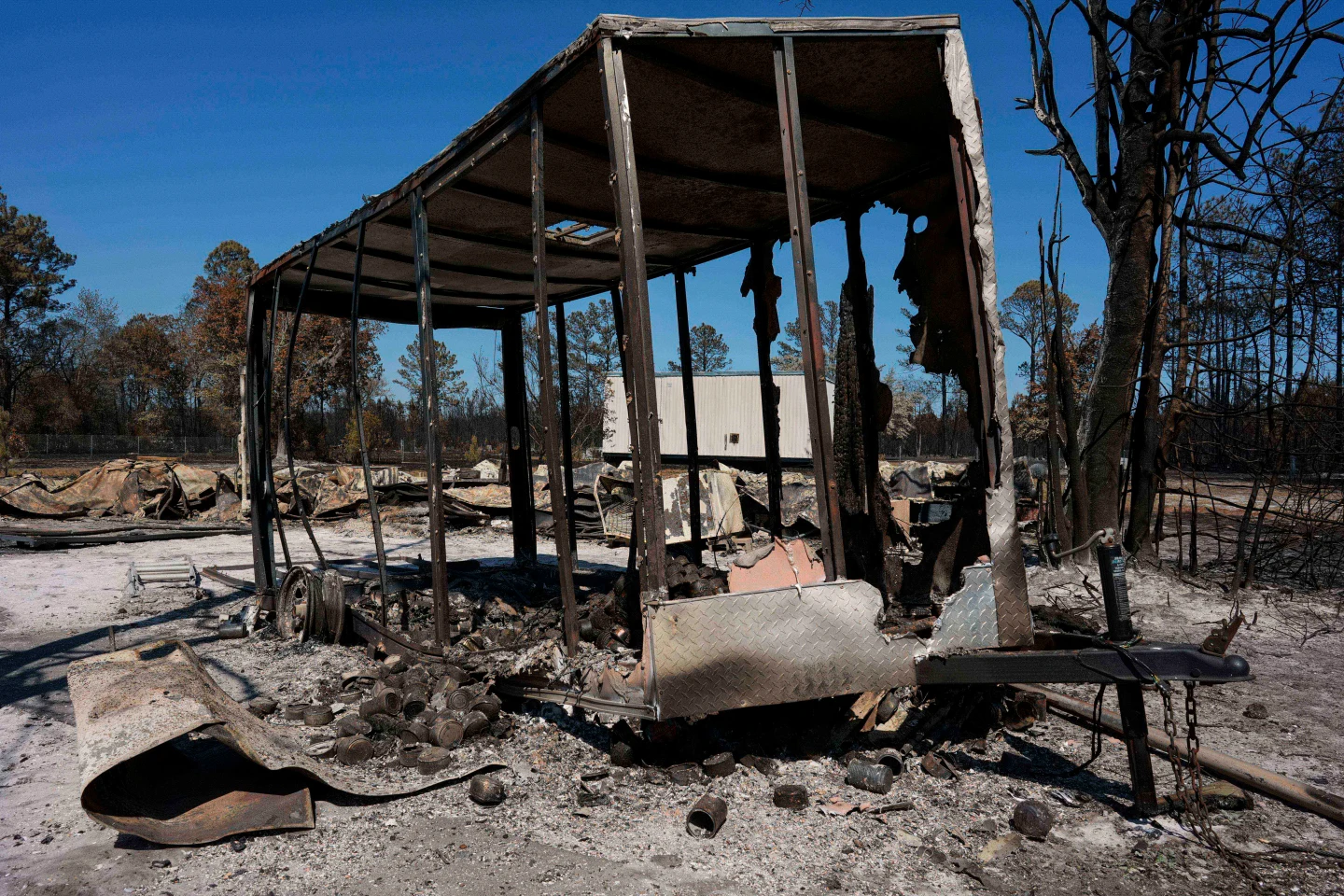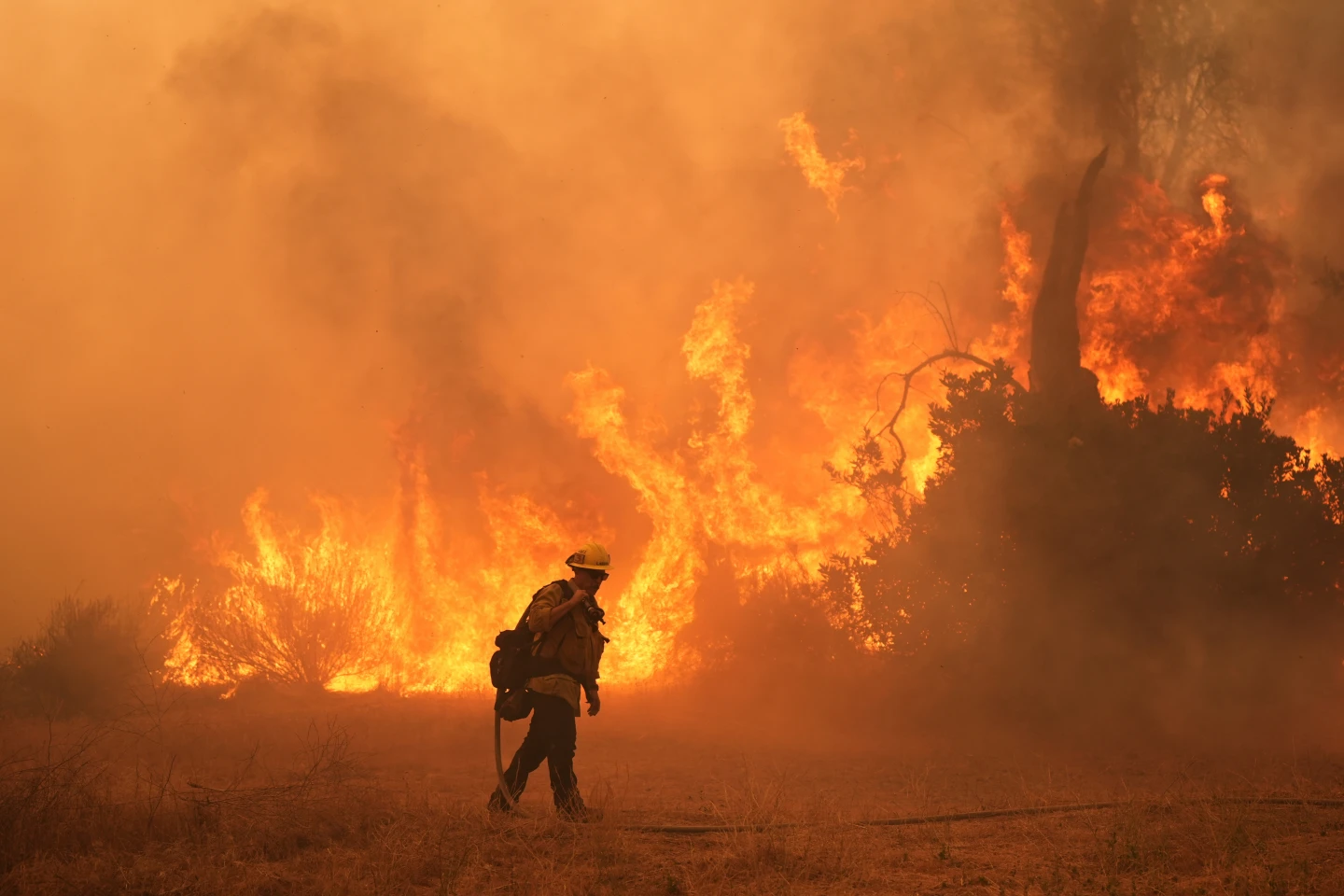
NAHUNTA, Ga. (AP) — Wildfires burning intensely across the southeastern U.S. have wreaked havoc, destroying nearly 50 homes in Georgia with evacuations and school closures plaguing several communities.
The most significant blazes are occurring along the Georgia coast and near Jacksonville, Florida, as the latter state faces one of its worst fire seasons in decades. While the origins of the wildfires remain unclear, a prolonged drought, low humidity levels, and strong winds are significantly exacerbating the situation.
Together, Georgia’s two major wildfires have scorched over 31 square miles (80 square kilometers), with numerous smaller fires reported statewide. The areas experiencing the worst fires are classified under 'exceptional or extreme drought,' as flagged by the U.S. Drought Monitor.
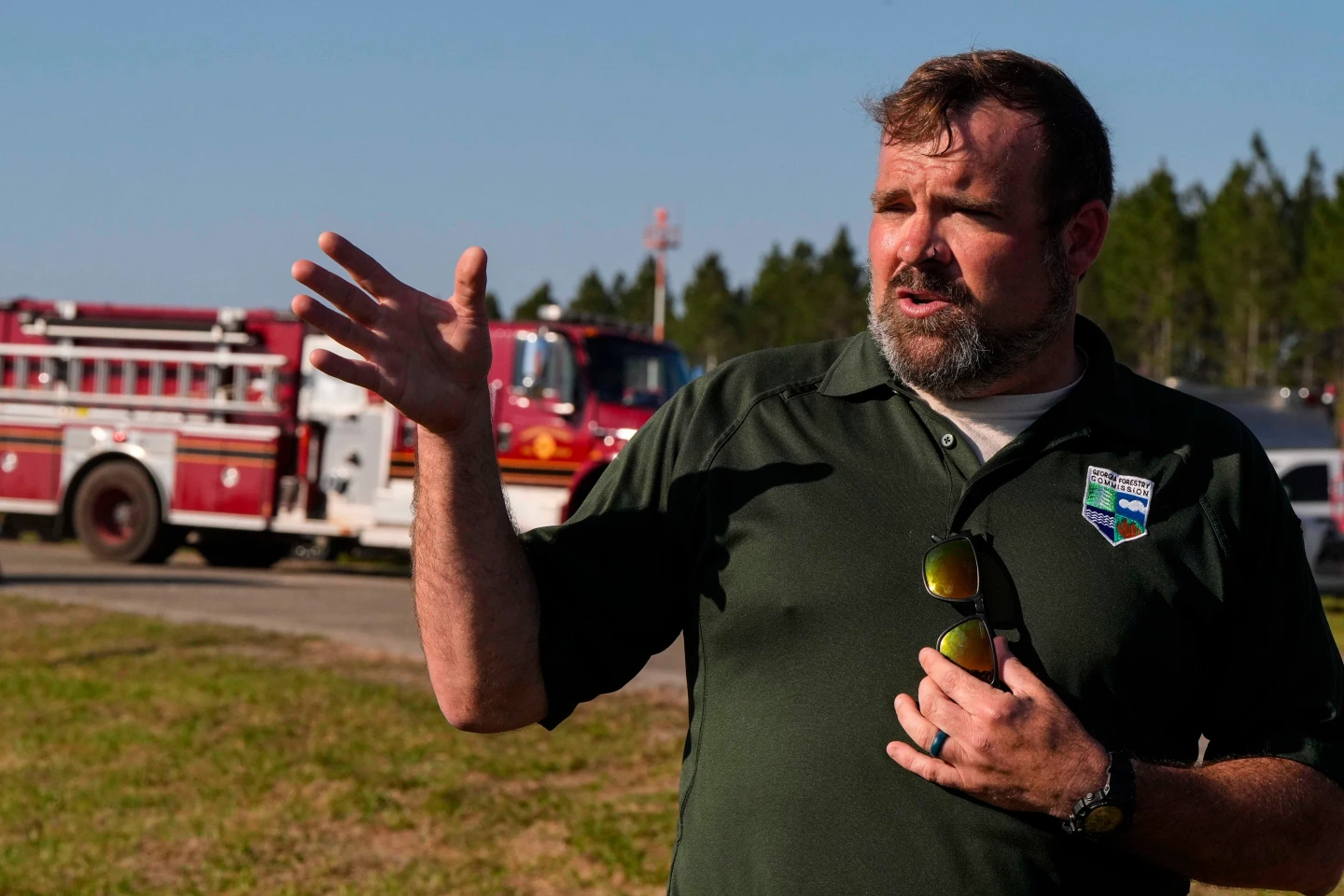
In southeast Georgia, the fast-growing Brantley County fire has rapidly expanded, leading to the destruction of 47 homes in just one day.
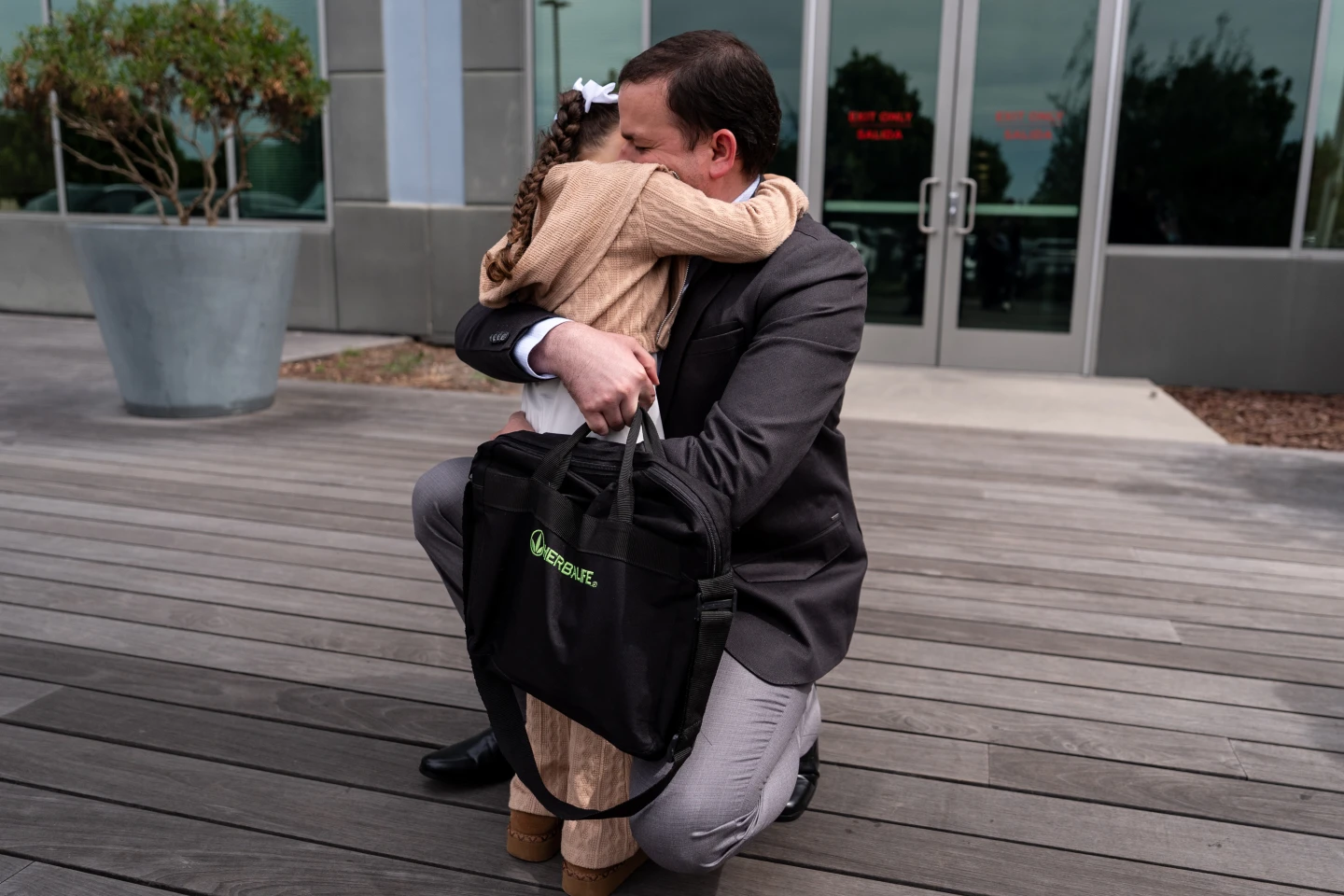
Brantley County Sheriff Len Davis has cautioned residents to remain prepared for evacuation, highlighting the unpredictable nature of wind changes that could endanger communities. The Federal Emergency Management Agency has noted at least 800 evacuations and the opening of five emergency shelters as the fire threatens another 300 homes.
Additionally, another large fire in Clinch County has driven the need for evacuations in multiple communities.
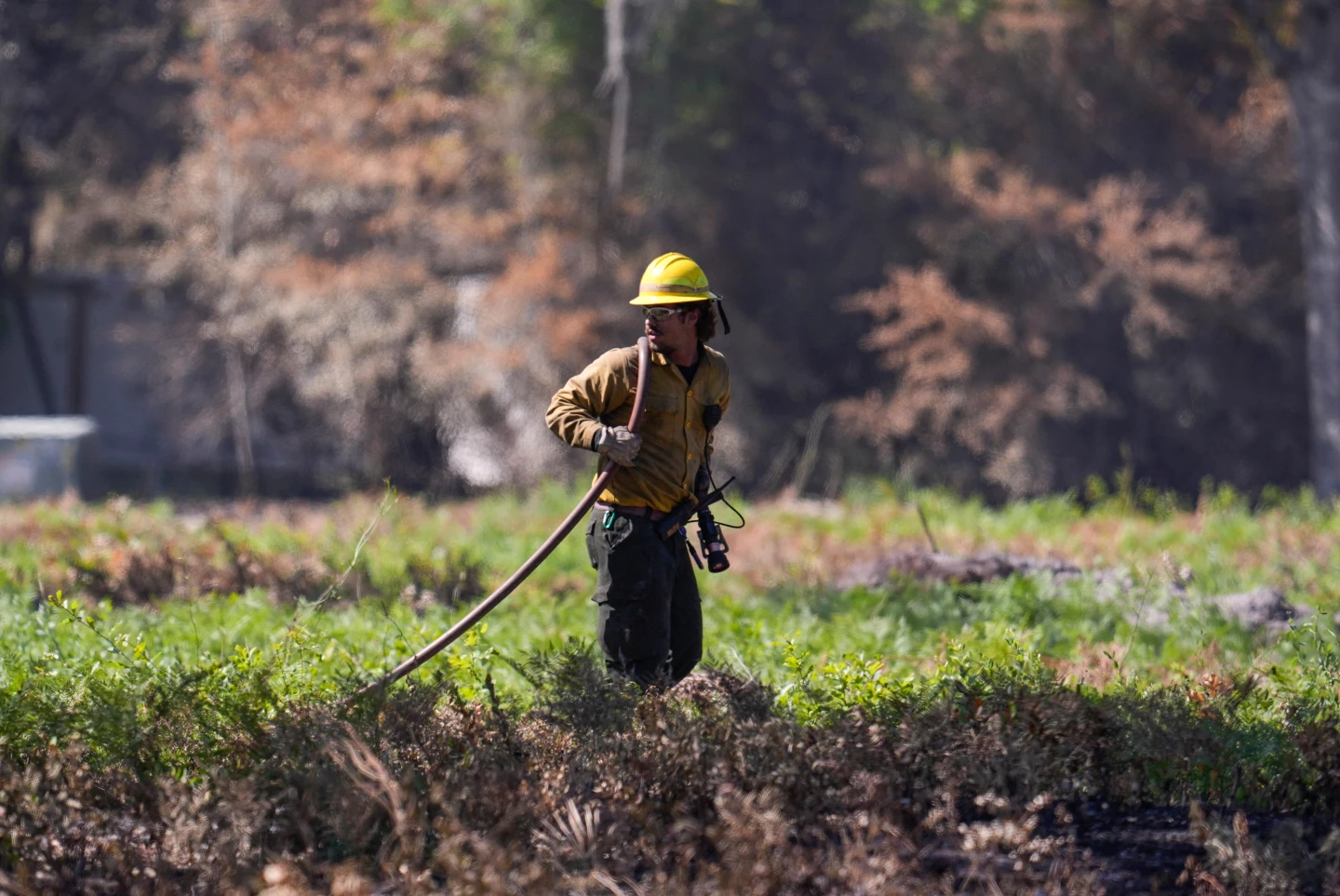
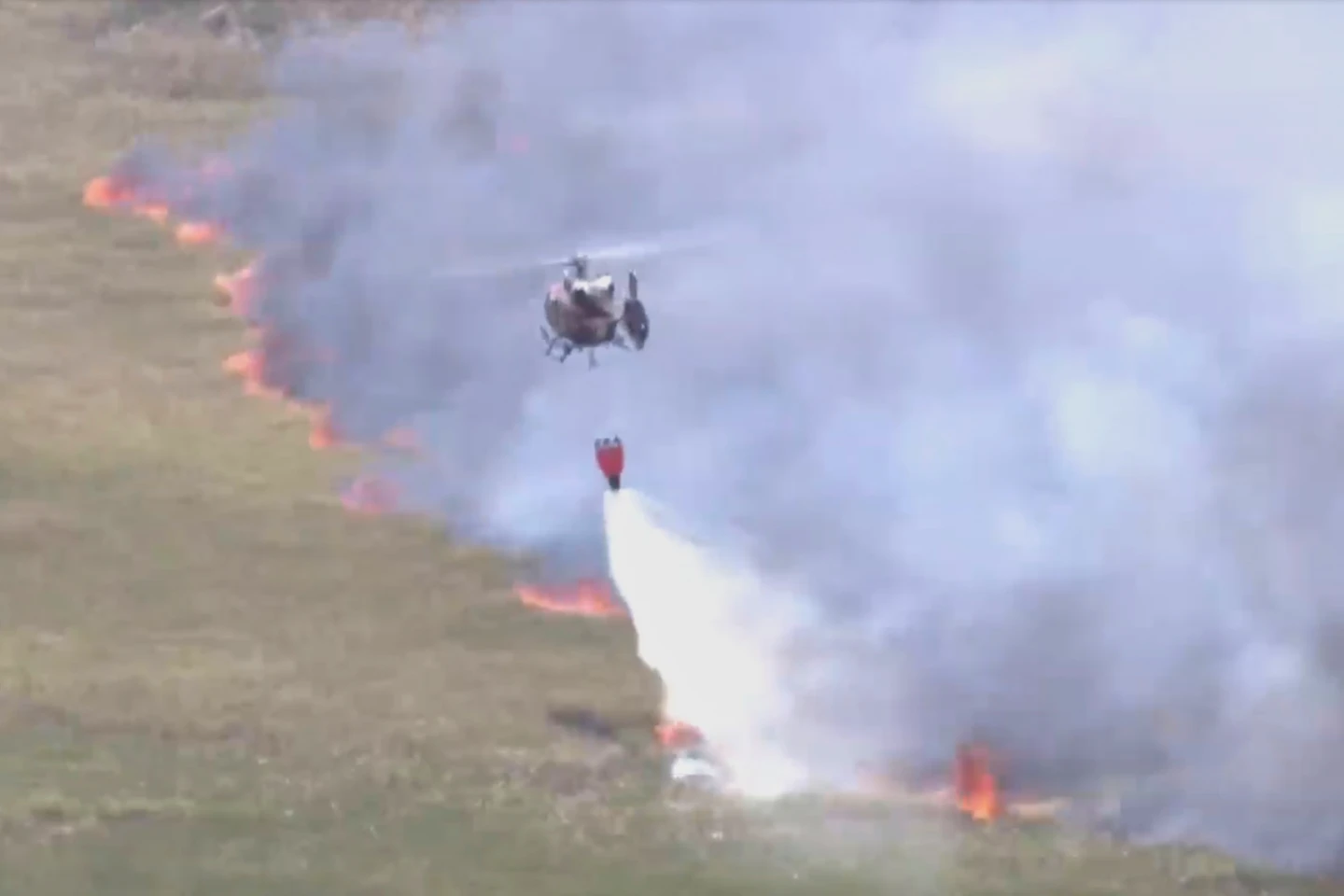
In neighboring Florida, firefighters were actively combating 131 wildfires that had destroyed 34 square miles (88 square kilometers) primarily in the northern regions of the state.
Florida Commissioner of Agriculture Wilton Simpson remarked that the state is experiencing one of the most severe fire seasons seen in 30 to 40 years, worsened by 18 months of drought.
As smoke from the wildfires reaches cities like Atlanta and Savannah, air quality has deteriorated to hazardous levels in some areas, compelling health advisories for residents.
National weather forecasts indicate that elevated fire risks will persist through the week, driven by ongoing dry conditions.