In brief
The suspected poisoning of 18 wolves within central Italy's national park has caused alarm among conservationists and authorities alike. Initial findings from the local animal health research institute confirmed the presence of agricultural pesticide in the bodies, prompting calls for greater protection measures for wildlife. Environment Minister Gilberto Pichetto Fratin condemned the incident as a severe setback to conservation efforts as the population of wolves had shown a promising increase in recent years.
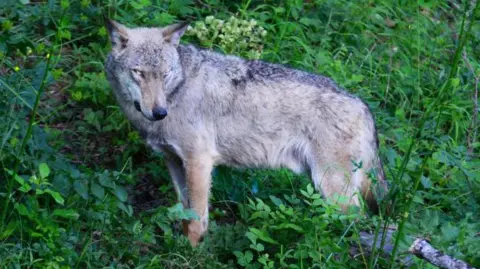
Poisoning is suspected in the deaths of 18 wolves within a few days in a national park that straddles three regions of central Italy. After the carcasses of 10 wolves were found last week, another eight were found when patrols were stepped up in recent days in the Abruzzo, Lazio, and Molise National Park. The park authority indicated that traces of suspected poisoned bait had been found in an area where five wolves were found dead, raising significant concern over potential further poisoning.Authorities are actively working with local public prosecutors to ascertain the exact cause of death. Initial tests by the local animal health research institute found pesticides commonly used in poisoned baits. Environment Minister Gilberto Pichetto Fratin condemned the killings, stressing that the protection of wolves is vital for ecological balance. Italy's Institute for Environmental Protection and Research warned that these incidents jeopardize critical strides made in wildlife conservation.With the wolf population in Italy estimated at about 3,300, the rise in attacks on livestock has prompted regulatory changes, including a potential cull starting in 2026. As environmental groups raise alarms over the gravity of the situation, particularly for other endangered species like the Marsican brown bear, calls for stricter wildlife protections continue to gain momentum.