
In brief
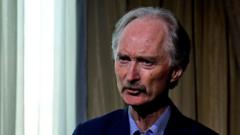
Geir Pedersen, the UN Special Envoy, emphasizes the importance of Syria's new leadership respecting the rights of various groups in a time of uncertainty. Following the overthrow of Assad's regime, challenges remain as the international community monitors HTS, now governing Syria, urging cooperation for lasting stability and prosperity.
Geir Pedersen, the UN Special Envoy for Syria, has stressed the necessity for the country's new leadership to honor its commitments to safeguard the rights of its diverse populations. In remarks made to the BBC during his visit to Damascus, he acknowledged the ambivalence experienced by Syrians, who are filled with both hope and anxiety amid rapid changes in governance.In a significant political shift, Bashar al-Assad's regime was ousted less than two weeks ago by the rebel alliance led by Hayat Tahrir al-Sham (HTS), a Sunni Islamist group that claims to have distanced itself from its extremist roots since its separation from al-Qaeda in 2016. Despite its self-identification as a religious nationalist movement, HTS retains a terrorist designation by multiple international entities, including the UN and EU.Pedersen highlighted positive statements made by HTS's leader, Ahmed al-Sharaa, who has officially reverted to his real name from his wartime alias. However, trust remains a concern, with many Syrians skeptical about the sincerity of HTS's commitment to change given its past as a jihadist extremist group. He noted, "many Syrians are questioning whether this will actually be implemented," reflecting a broader hesitation about the transitional process.As the UN envoy since 2018, Pedersen reiterated that the international community stands ready to assist Syria's new governance structure. He cautioned that easing sanctions and potentially removing HTS from terrorist lists is contingent upon genuine changes being made on the ground. He expressed a willingness to wait for a three-month trial period to evaluate HTS's governance actions.Pedersen also took the opportunity to critique Israel's recent military activities in Syria, labeling them irresponsible and damaging to the fragile state of the country during this transitional phase. He underscored the importance of maintaining the occupied Golan Heights and preventing further destabilization in the region.The envoy called for cooperation among various factions in Syria’s north, pointing to Turkey’s significant role and its relationship with HTS. The complex geopolitical dynamics are crucial for the stability of Syria, with external support playing a pivotal role in ensuring a peaceful future.With Syria being left fragmented after 14 years of conflict, Pedersen emphasized the urgency of establishing a justice process for families of the thousands of Syrians who have vanished under past oppressive regimes. A successful transition requires all Syrian stakeholders to engage actively in the rebuilding effort to avoid resurfacing tensions.Pedersen's remarks project a mixture of cautious optimism and concern, suggesting that while momentum exists for progress in Syria, failure to maintain a commitment to rights and stability could lead to new conflict. The message is clear: the path forward must prioritize cooperation, trust-building, and an inclusive approach to governance to heal a nation burdened by strife.

