In brief
Tennessee has become the first US state where an inmate survived a lethal injection after 50‑year‑old Christa Pike remained breathing and made noises following two doses of pentobarbital. The botched execution shocked observers and prompted Governor Bill Lee to halt the death penalty in the state and call for a review of execution protocols. Reporter Michael Graczyk, who has covered almost 500 executions in Texas, said he had never seen an inmate survive after the injection, making Pike’s case unprecedented. Pentobarbital is supposed to induce unconsciousness within seconds; the incident highlighted the failure of the state’s contingency plan for a second dose. Human rights groups now argue that the episode exposes wider problems in the capital punishment system, including shortages of approved drugs and questions over how lethal injection should be carried out.
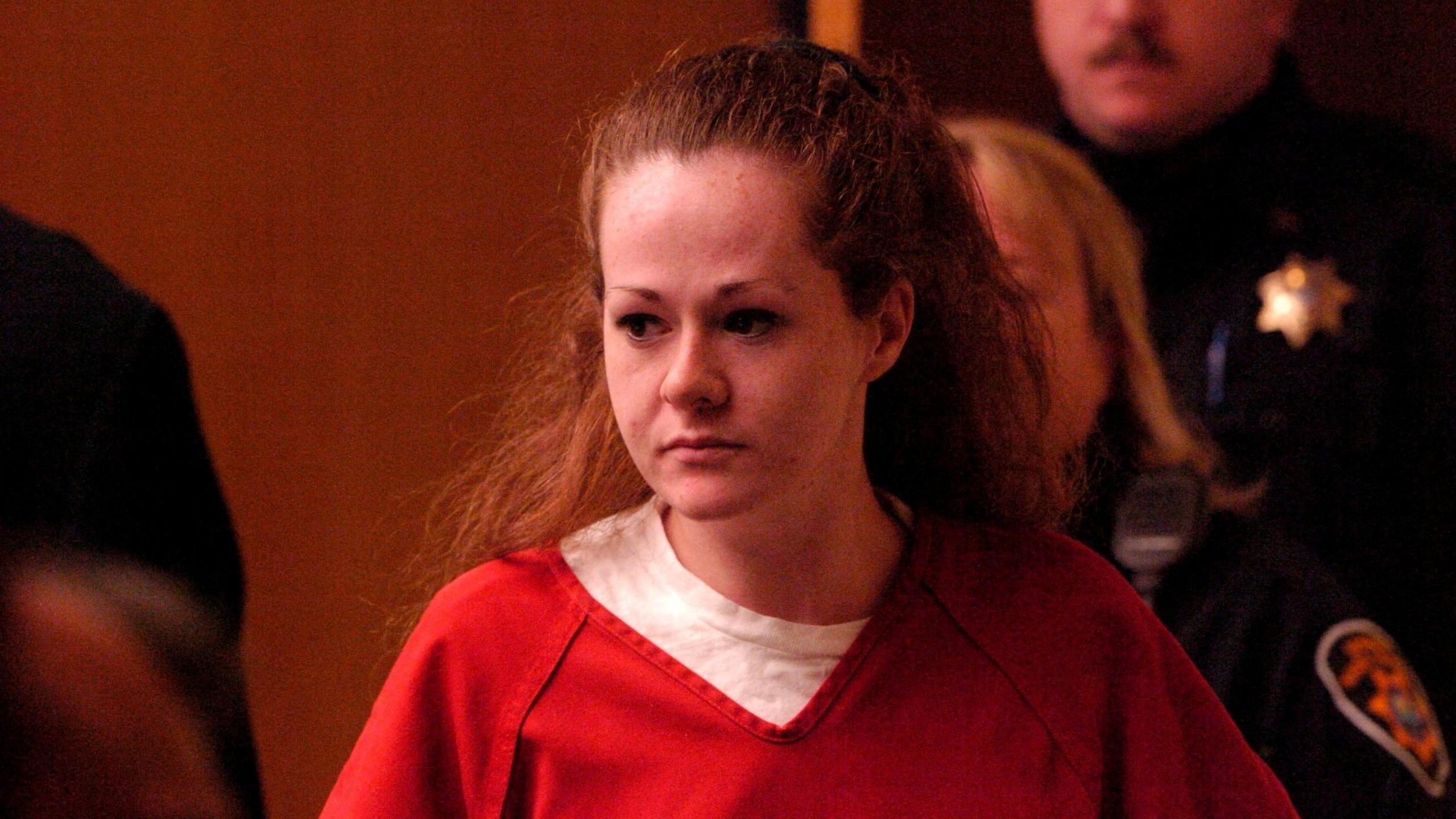
Tennessee has become the first U.S. state where an inmate survived a lethal injection. After 50‑year‑old Christa Pike remained breathing and made noises following two doses of pentobarbital, the state’s execution protocol was called into question.
The botched execution shocked observers. Governor Bill Lee halted all death penalty activity in Tennessee and announced an independent review of the state’s procedures.
Reporter Michael Graczyk, who has covered almost 500 executions in Texas, said he had never seen an inmate survive after the injection. His decades of experience make Pike’s case unprecedented.
Pentobarbital is expected to induce unconsciousness within seconds. The failure of the contingency plan for a second dose highlighted serious gaps in the state’s lethal injection system.
Human rights groups and legal experts now argue the incident exposes wider problems in the capital punishment system, including shortages of approved drugs and questions over protocol standards.
Pike is now hospitalized and receiving life‑saving care, according to her lawyer.