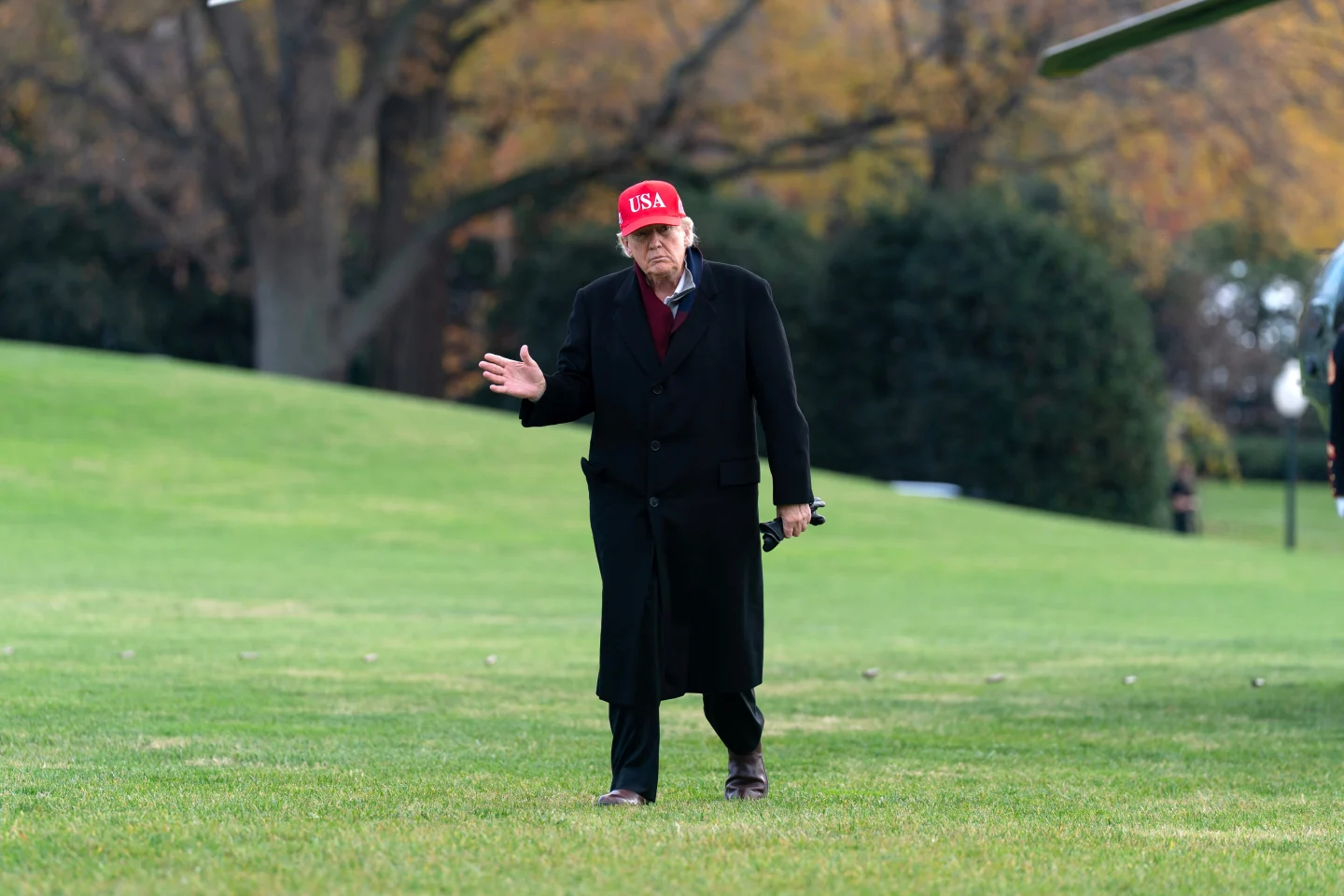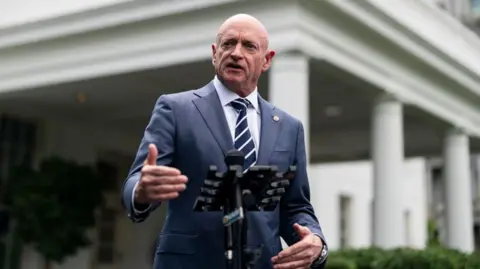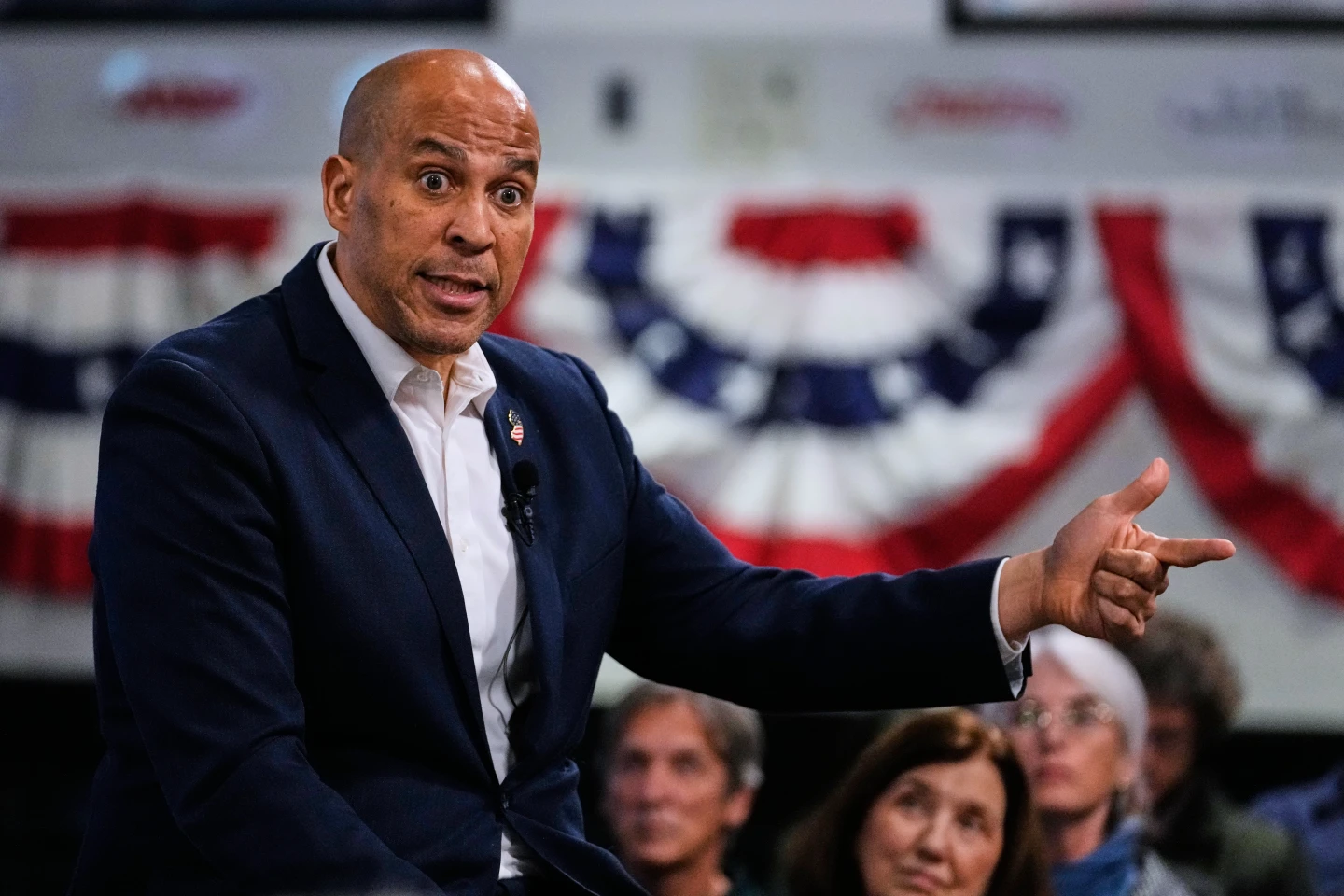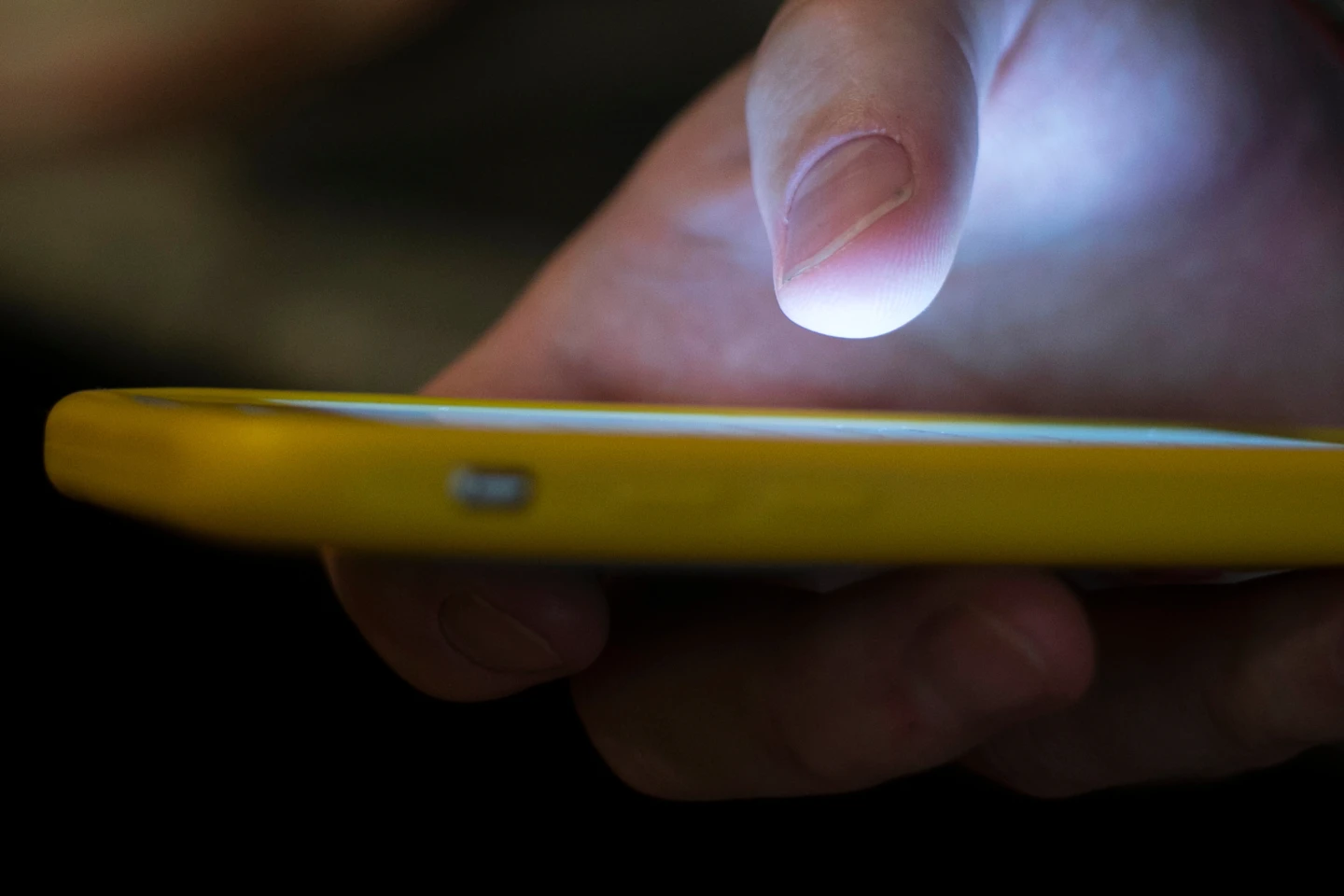
NEW YORK — In an age where digital communication shapes public discourse, text messages are proving to be dangerous tools for politicians. Recent reports have exposed numerous young Republicans whose careers have imploded following the dissemination of offensive texts in private chat groups. These revelations not only forced Paul Ingrassia, President Donald Trump’s nominee for the Office of Special Counsel, to withdraw amid racist remarks, but also led to a cascade of resignations and public backlash over casual violence and insensitivity within their communications.
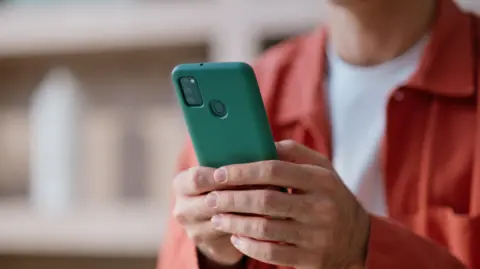
The ease of texting can cause individuals to forego the filters typical in real-life conversations. Experts assert that the low-friction nature of digital chats allows harmful impulses to emerge unchecked. Despite this, many public figures seem unaware, or perhaps overconfident, believing that such communication can be safely hid from public view.
Public interest in these unethical exchanges has sparked debate over the newsworthiness of private conversations, as organizations like Politico argue the significance of providing an unfiltered look at how those in power think and communicate. As journalists navigate the murky waters of verifying digital communications amid public skepticism, they are under pressure to publish responsible and accurate reports that not only reveal the behavior of politicians but also assure their readers of the authenticity of the information presented.
Ultimately, the intersection of technology and media ethics continues to evolve, making it critical for both politicians and journalists to remain vigilant in their conduct as the stakes rise in the realm of public trust.
The ease of texting can cause individuals to forego the filters typical in real-life conversations. Experts assert that the low-friction nature of digital chats allows harmful impulses to emerge unchecked. Despite this, many public figures seem unaware, or perhaps overconfident, believing that such communication can be safely hid from public view.
Public interest in these unethical exchanges has sparked debate over the newsworthiness of private conversations, as organizations like Politico argue the significance of providing an unfiltered look at how those in power think and communicate. As journalists navigate the murky waters of verifying digital communications amid public skepticism, they are under pressure to publish responsible and accurate reports that not only reveal the behavior of politicians but also assure their readers of the authenticity of the information presented.
Ultimately, the intersection of technology and media ethics continues to evolve, making it critical for both politicians and journalists to remain vigilant in their conduct as the stakes rise in the realm of public trust.