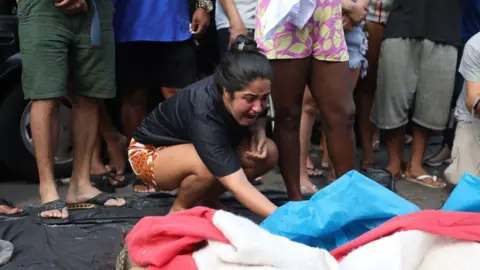
A photographer who witnessed the aftermath of a massive Brazilian police operation in Rio de Janeiro has told the BBC of how residents came back with mutilated bodies of those who had died.
The bodies kept coming: 25, 30, 35, 40, 45..., Bruno Itan told BBC Brasil. They included those of police officers.
One of the bodies had been decapitated - others were totally disfigured, he said. Many also had what he says were stab wounds.
More than 120 people were killed during Tuesday's raid on a criminal gang - the deadliest such raid in the city.
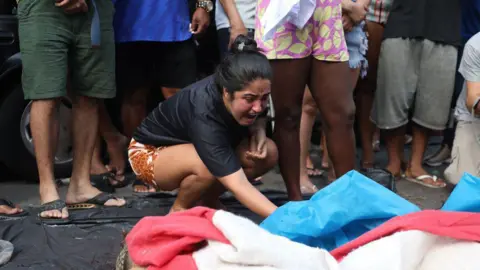
Bruno Itan told BBC Brasil that he was first alerted to the raid early on Tuesday by residents of the Alemão neighbourhood, who sent him messages telling him there was a shoot-out. The photographer made his way to the Getúlio Vargas hospital, where the bodies were arriving.
Itan says that police stopped members of the press from entering the Penha neighbourhood, where the operation was ongoing, stating plainly: 'The press doesn't get past here.' However, he, having grown up in the area, managed to slip into the cordoned-off area where he would remain until the next morning.
As night fell, local residents began searching the hillside separating Penha from Alemão for relatives who had been missing since the operation. Their emotional toll became evident as they gathered the bodies and placed them in a public square.
The situation has drawn widespread criticism, with state officials initially claiming about 60 suspects and four police officers had died, but the toll has since risen significantly. The public defender's office estimates 132 fatalities.
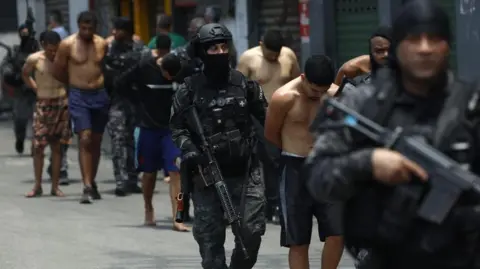
The governor of Rio, Cláudio Castro, claimed the operation's primary intention was to curtail the activities of the infamous Comando Vermelho gang, but the excessive loss of life raises serious concerns about police conduct and human rights violations.
This tragic incident highlights the ongoing violence and chaotic dynamics between law enforcement and criminal organizations in Rio de Janeiro, leaving communities devastated and searching for accountability.