In a heartbreaking turn of events, parents of children suffering from thalassemia in India have learned that their kids tested HIV-positive as a result of contaminated blood transfusions. This revelation has not only raised alarms about medical practices in the region but has also plunged families into uncertainty and social stigma.
Thalassemia, a genetic blood disorder requiring regular blood transfusions, has left five children, aged three to fifteen, in Madhya Pradesh with HIV, raising serious concerns regarding blood safety protocols. Health officials have confirmed that these cases came to light after a series of routine screenings earlier this year, but gained public attention only recently due to media coverage.
These children, from the Satna district, have undergone blood transfusions involving different donors from various facilities, prompting the local authorities to establish a committee to investigate the occurrences. Health officials stated that the children are presently stable and receiving appropriate treatment.
The situation mirrors a similar incident in Jharkhand where five young thalassemia patients were also found to be HIV-positive following transfusions. The distress felt by families resonates deeply, with parents expressing outrage over the insufficiency of medical facilities and the dire consequences of poor healthcare.
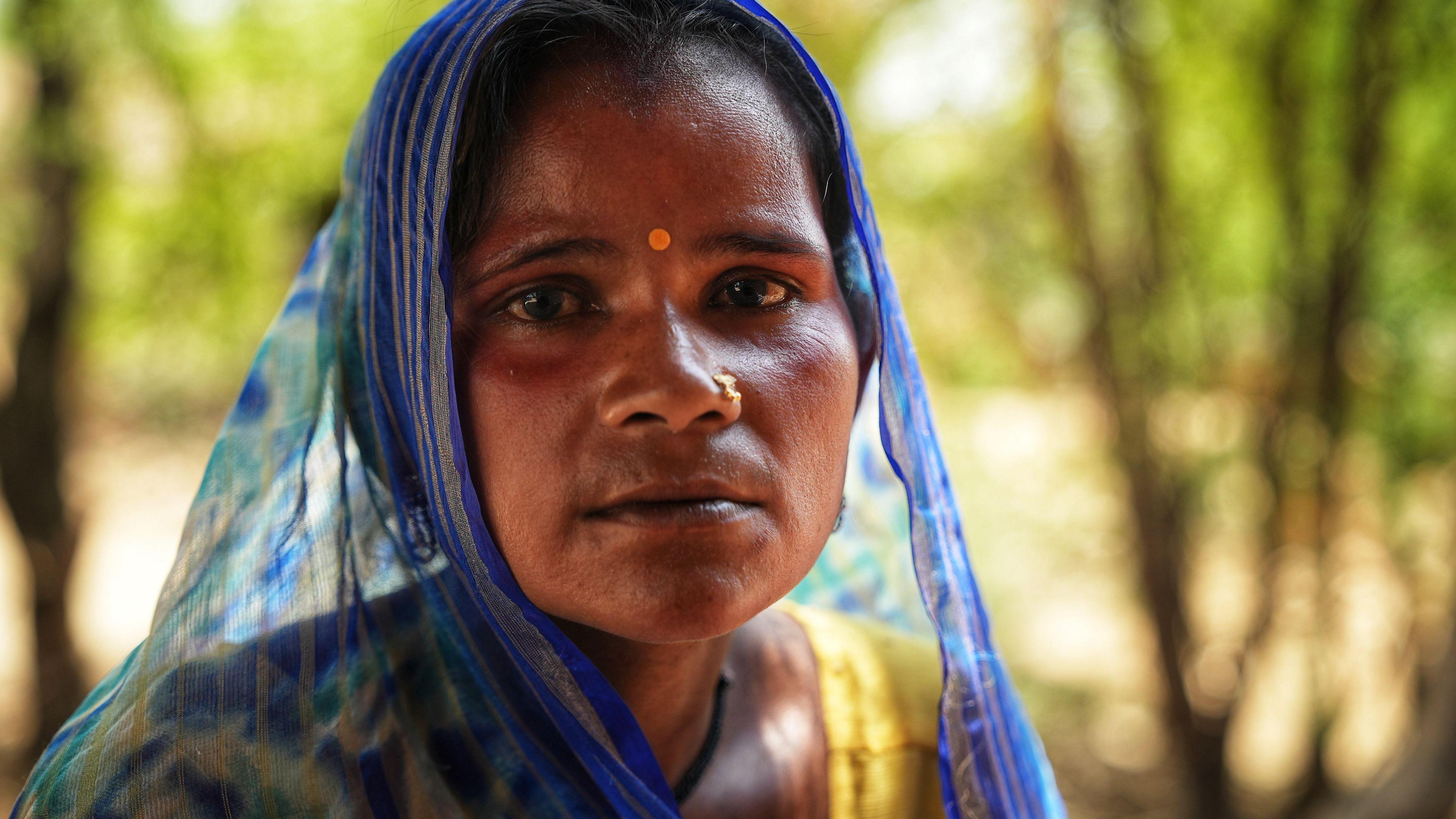
"My daughter was already suffering from thalassemia. Now she has got HIV, all thanks to the pathetic medical facilities," lamented one father of an affected child.
Fortunately, existing government protocols dictate that each unit of blood must pass rigorous testing; however, in rare instances, donors may be in the early stages of the virus and go undetected during screenings.
As HIV continues to bear a heavy social stigma in India, families are experiencing prejudice and discrimination. Reports have surfaced of families being forced to vacate their homes upon revealing their children's HIV status, further compounding the psychological and social toll of this shocking situation.
Several advocacy groups have urged the Indian parliament to pass the National Blood Transfusion Bill to enhance regulations on blood collection and transfusions, signifying a critical step toward ensuring safety for vulnerable patients dependent on blood products.
Tragically, this health crisis serves as a harsh reminder of the broader challenges facing India's healthcare system, particularly for children requiring consistent medical care.