
In brief
At last week’s Washington summit, the United States and China reached a quiet agreement to launch an AI dialogue and a one‑to‑two‑month trade truce, easing tariffs on $30 billion of Chinese goods and pledging annual coal purchases. However, the talks made little headway on more contentious issues – rare‑earth exports, semiconductor restrictions, and Taiwan – with both leaders opting for muted silence. China hinted at loosening entry for foreign financial firms but kept full control, and the summit’s lack of a joint statement left many questions unanswered.
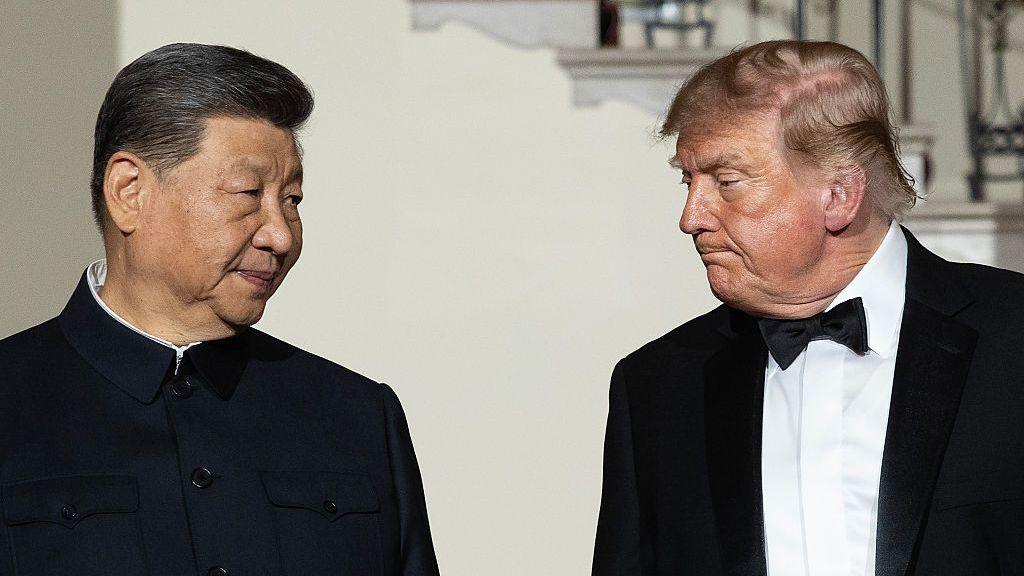
Washington’s headline‑making meeting between President Donald Trump and Chinese President Xi Jinping concluded with sporadic agreements and a silence that is already reshaping expectations for future US‑China relations.
A New AI Dialogue and Communication Channel
China confirmed it will launch an AI partnership with the United States, with a second round scheduled for the end of November. Both sides recognised that the technology powers military strategy and commercial markets, and they agreed to set up a line of communication for any AI‑related incidents to spare misunderstandings from spiralling into confrontation.
Trade Truce, But Only for Two Months
The Shanghai‑named Chinese government announced that the temporary suspension of tariffs will last until 10 January. Lower tariffs on $30 bn of goods – from toys to Christmas decorations – will reduce import costs for U.S. consumers. The United States also sealed a $10 million‑tonne coal purchase for 2027‑28. What remained out of scope were the crucial rare‑earth exports to the U.S. and any easing of semiconductor export restrictions.
The Silent Taiwan Issue
While the White House brief ruled Taiwan out of the discussion, Xi led the agenda, urging Trump to oppose any move toward Taiwanese independence. Trump answered that the decision is “up to the U.S. forces” and that the island’s status should “move along.” The silence on a potential $14 bn U.S. arms package for Taiwan, which had stalled, continues to add to the ambiguity.
Opening Investment Doors – Still under Lock‑down
China said it will allow more foreign financial firms to apply for licenses, but approvals remain subject to national laws. Beijing also discussed expanding flight frequencies between the two capitals yet has offered no concrete plan. Meanwhile, visa‑free travel is granted to over 75 countries, but Americans do not enjoy the same benefit, with U.S. State Department maintaining a Level 2 travel advisory.
What We Know Now
The summit was more a diplomatic pause than a decisive turning point. While both sides signed modest trade concessions and AI cooperation, they left much of the technology race, rare‑earth deliveries, and Taiwan policy largely unchanged. The quiet tone suggests that the mean between action and restraint may be the most potent message of all.

