UN Climate Summit COP30 Concludes Without Strengthening Fossil Fuel Commitments
Following intense debates, the UN climate summit COP30 in Belém, Brazil has wrapped up with no direct references to fossil fuels - a disappointing outcome for over 80 countries advocating for more decisive action against climate change.
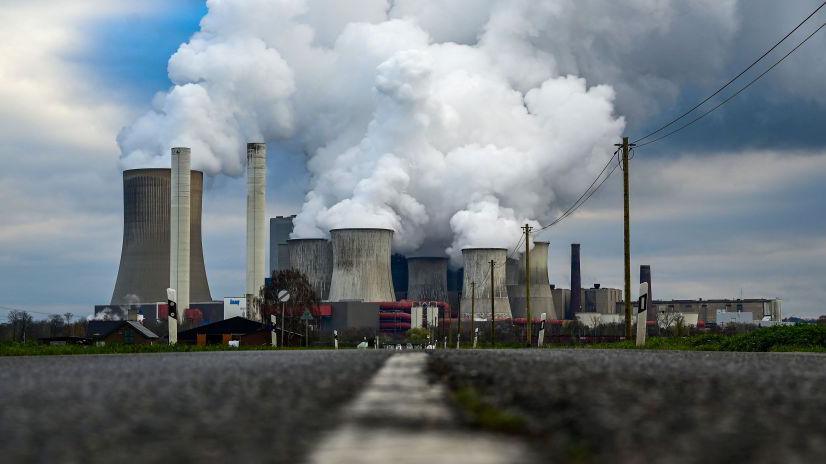
Despite the presence of nations like the UK and EU pushing for commitments to rapidly decrease reliance on fossil fuels, negotiations were heavily influenced by oil-producing countries, insisting they needed to retain fossil fuel resources for economic growth.
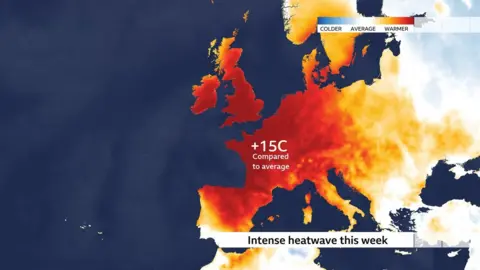
This summit coincides with the UN's alarming assessments regarding the achievable limits on global temperature rises, highlighting the urgency of action to maintain the target of 1.5C above pre-industrial levels. In a heated plenary session, a representative from Colombia criticized the COP presidency for restricting countries from voicing objections to the final deal, underscoring her stance that over 75% of global greenhouse gas emissions originate from fossil fuels.
The agreements concluded under the label of 'Mutirão' encouraged nations to voluntarily quicken their fossil fuel reduction actions. Notably, the absence of a U.S. delegation, following President Trump's controversial stance on climate agreements, was remarked upon by veteran climate negotiators as detrimental to the discussions.
Even amid criticisms, some nations found positives in the continuation of dialogue about climate finance and adaptation for developing countries; India's officials described the deal as meaningful, while others acknowledged the necessity for ongoing processes to be inclusive.
The two weeks of negotiations were marred by chaos, with logistical setbacks, including water shortages and even protests against the event's venue. Brazilian President Luiz Inácio Lula da Silva aimed to spotlight the Amazon rainforest during these discussions.
The future implications of COP30 will be watched closely as countries prepare for subsequent climate commitments and potential domestic policies regarding fossil fuel extraction, particularly from Brazil, criticized for planning to expand offshore drilling.