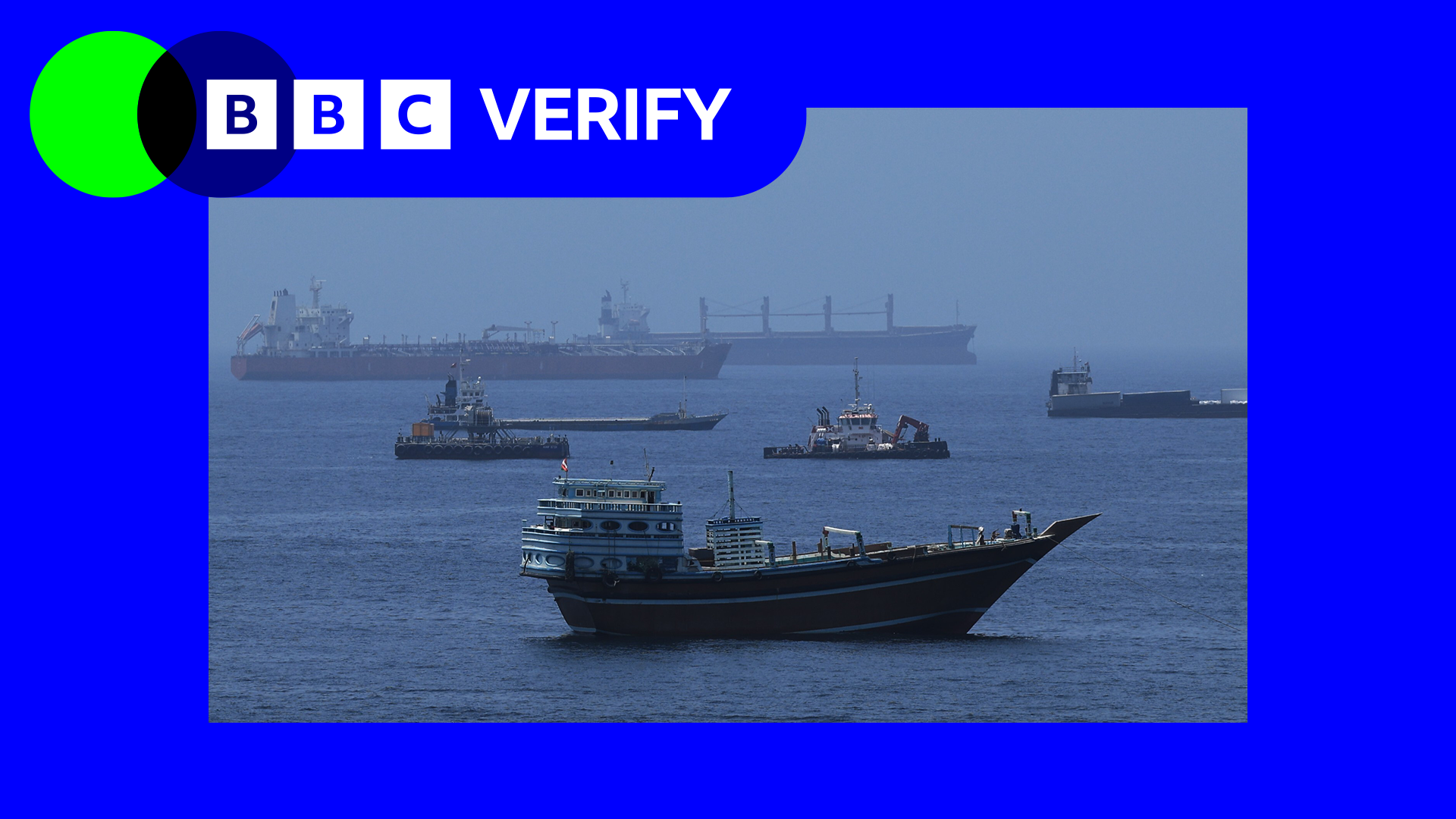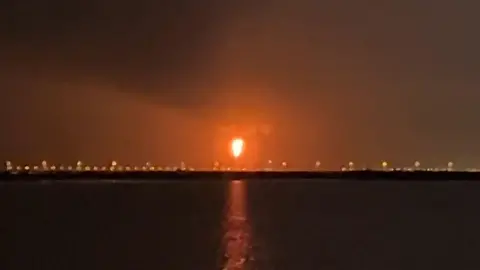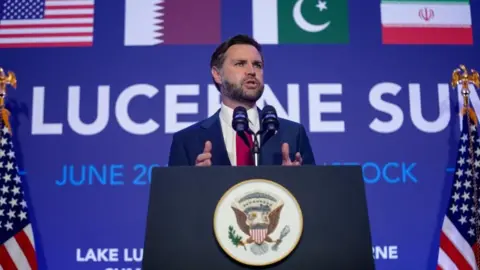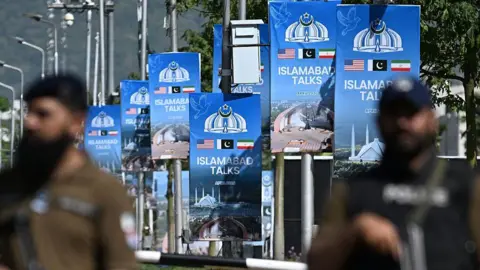
The standoff between the US and Iran intensifies as a blockade over the Strait of Hormuz develops, diverting from anticipated peace talks in Islamabad. The current situation is marked by a 'war of blockades,' with both nations actively intercepting commercial vessels.
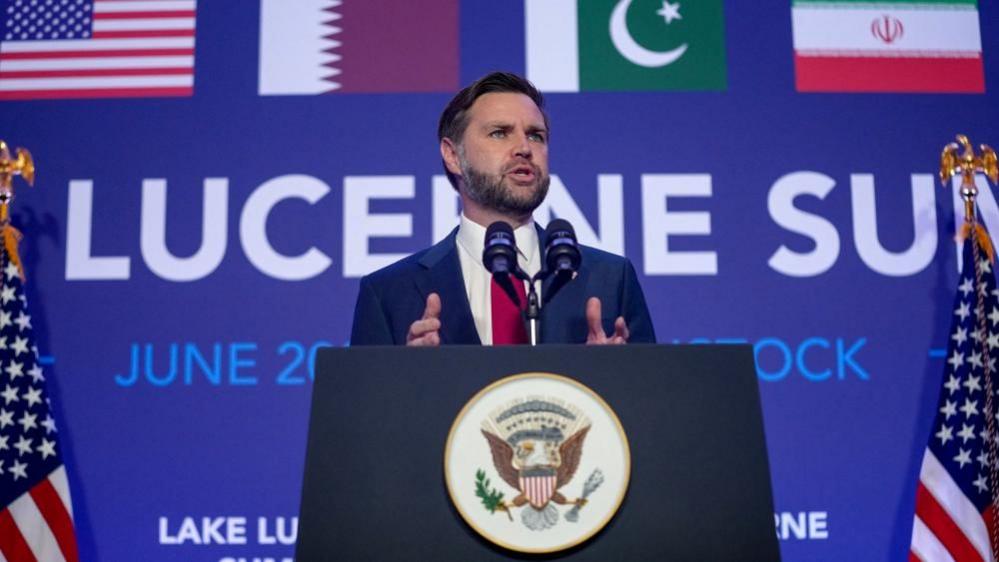
Underlining the volatility of the region, Islamabad awaits the arrival of Iranian and American representatives for discussions aimed at de-escalating the conflict. However, the expected venue for these talks remains eerily quiet, further dampening hopes for reconciliation.
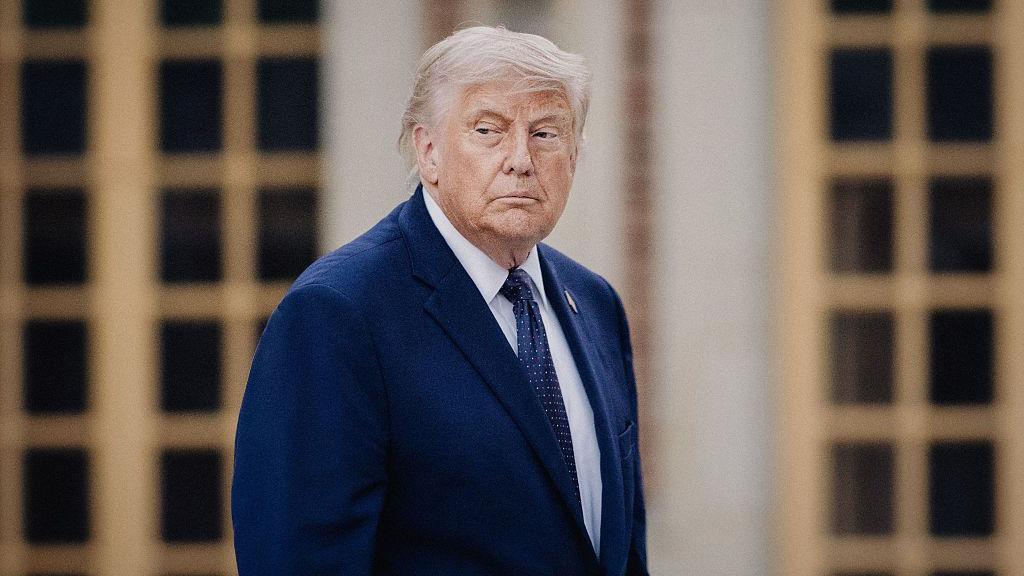
While a ceasefire persists, driven by last night's communications from US President Donald Trump, the mood in the region remains tense. Trump's statements oscillate between threats and potential diplomatic gestures, contributing to uncertainty about the future direction of US-Iran relations.
Following several days of anticipation for negotiations, the atmosphere has shifted, leading some to consider that Pakistan's chance to broker peace may be slipping away.
Despite this, Prime Minister Shehbaz Sharif emphasizes ongoing diplomatic efforts to mediate and push for resolutions. Trump also implies a potential deal might emerge soon, although skepticism pervades regarding both the likelihood and substance of such an agreement.
Iran has criticized US actions as a breach of commitments while expressing hesitation to engage further in talks, underscoring the complications of the current landscape. Trump's fluctuating rhetoric adds layers to the diplomatic challenges as the prospect of escalating military confrontations looms in the backdrop of ongoing negotiations.