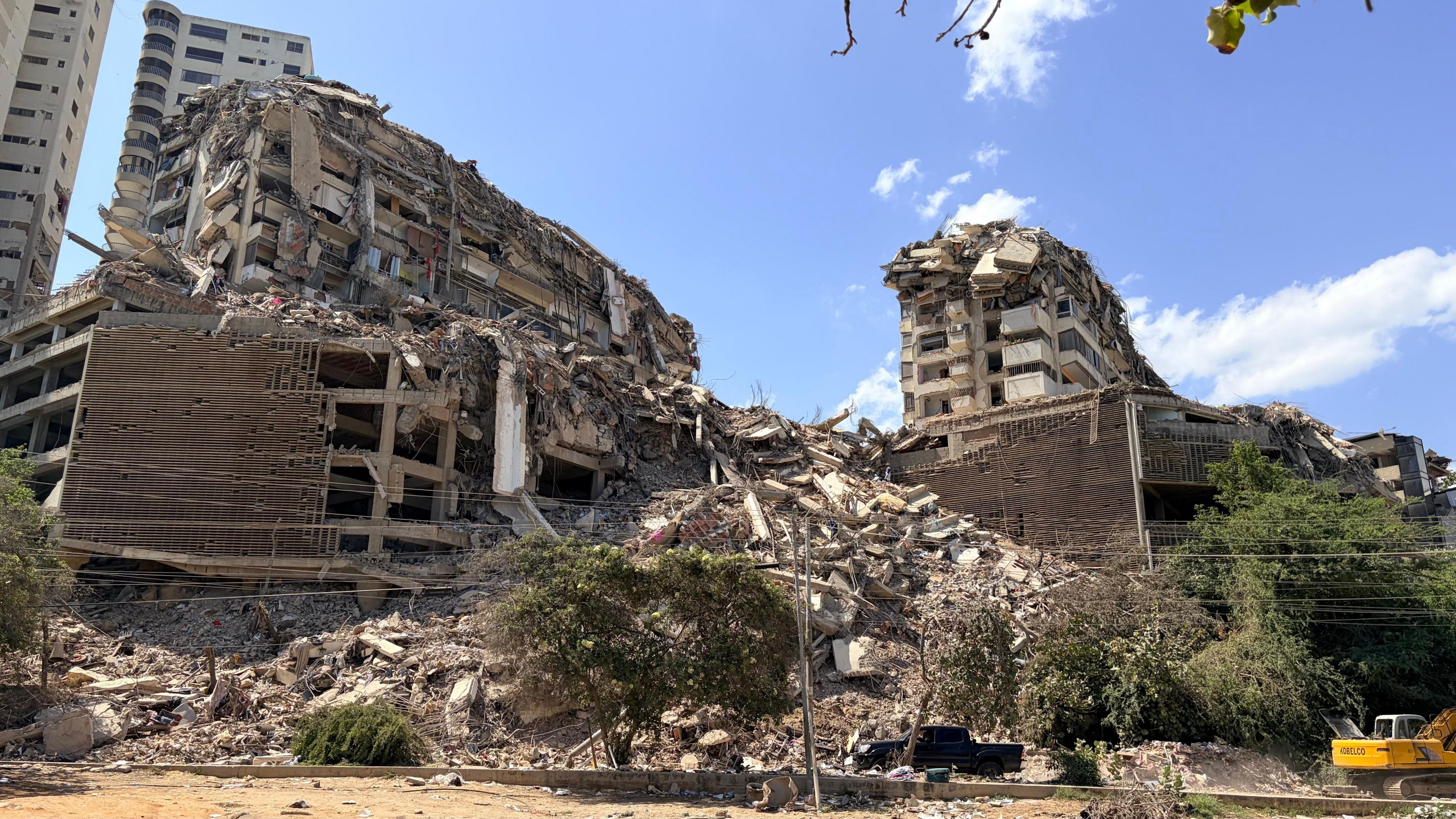
Angry Venezuelans accuse government of negligence over earthquake response
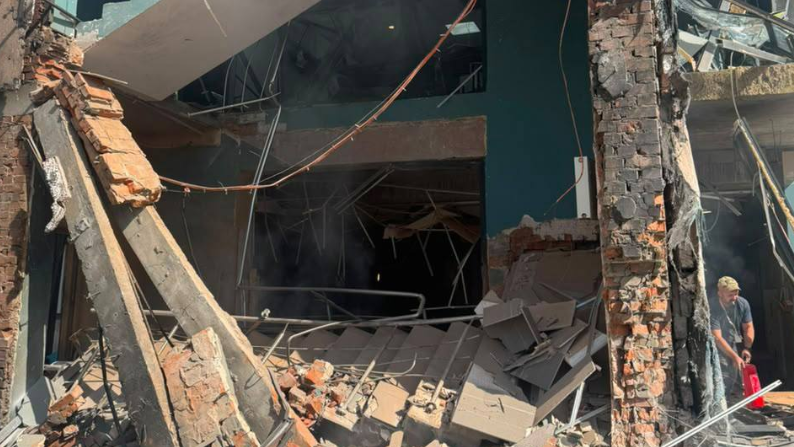
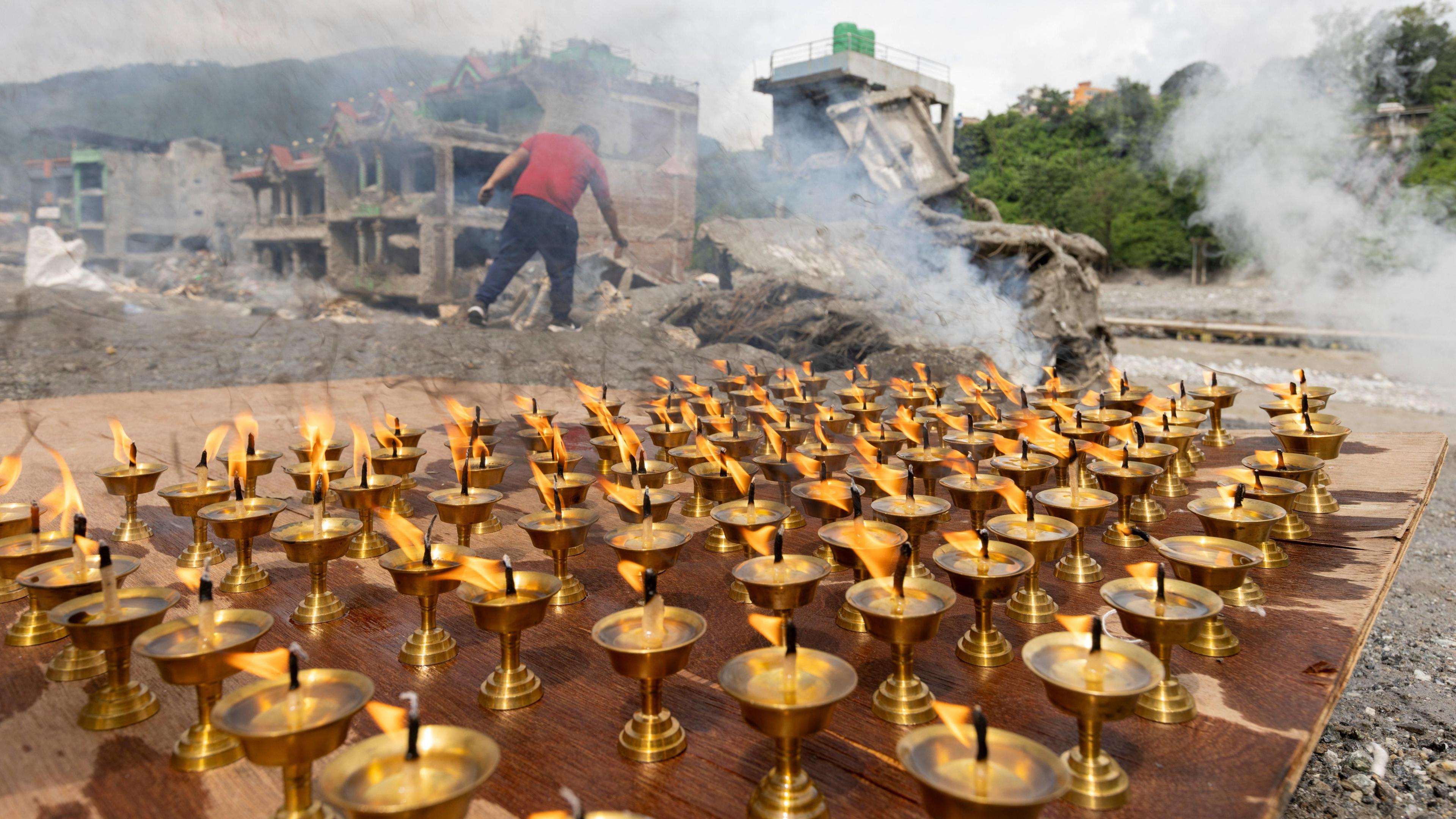
La Guaira was devastated by twin earthquakes on Tuesday, leaving at least 1,700 dead and shattering key buildings along the coast. Thousands of residents are now scrambling for survivors trapped beneath collapsed structures.
Local families, such as Miguel Oscar Nunez, whose son Angel was inside a ruined building, have voiced fury at the delayed arrival of official rescue crews. “We should have been receiving concrete digging machines and proper boxes of thermal‑imaging equipment,” Nunez told reporters. He lamented that the government’s postponed response might turn survivors into victims of negligence.
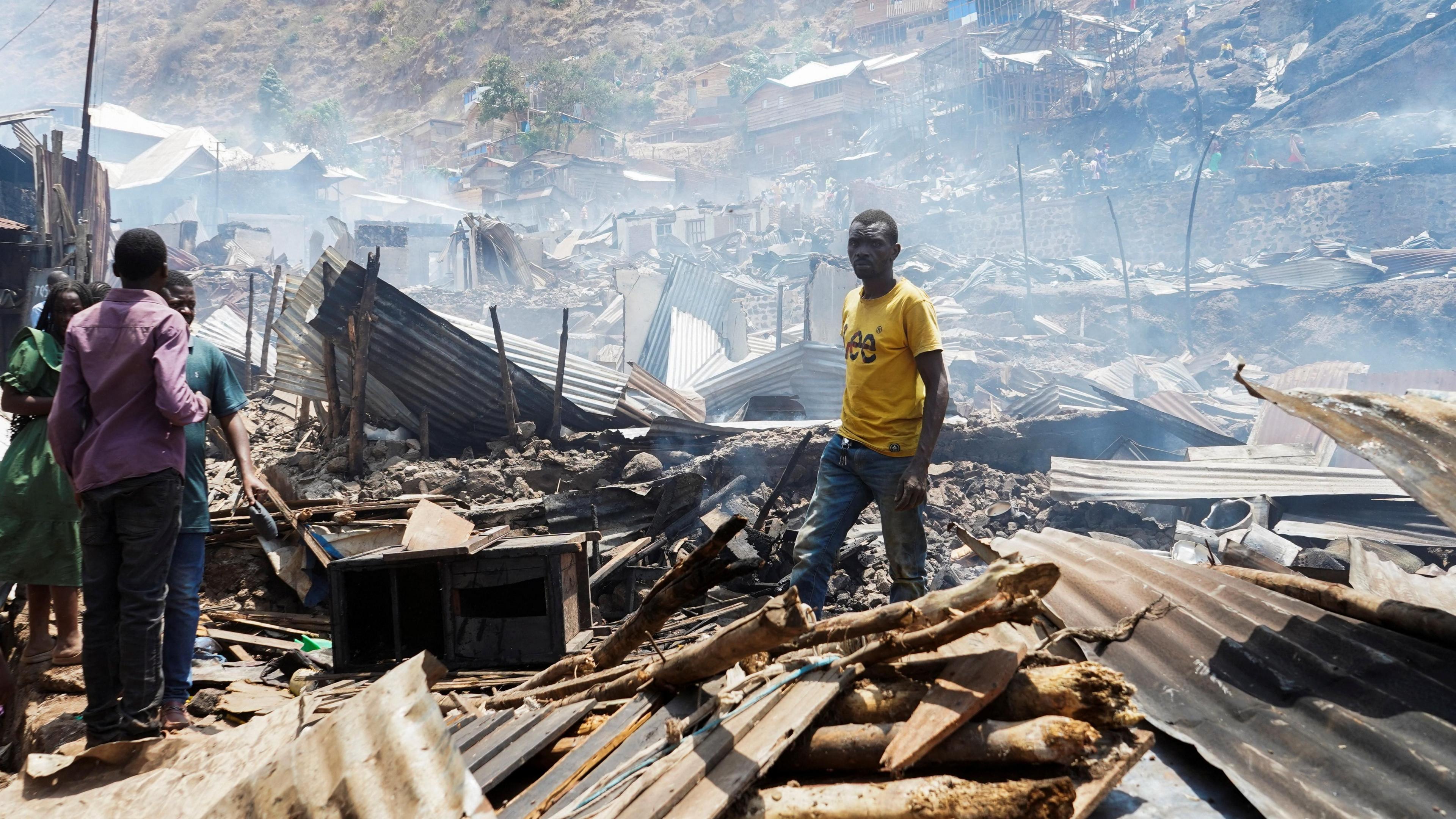
Deilisbeth Herreira, a single mother whose two teenage daughters were at home when the quake hit, noted how she felt abandoned. “We have to dig ourselves,” she cried, pointing to the rubble that had not yet been cleared by anyone but volunteer workers.
The Venezuelan government has issued statements calling the tragedy the “most brutal natural catastrophe” in the country’s history, yet residents report that many rescue teams were arriving as late as two days after the events. In some areas, police were present but did not assist beyond mere observation.
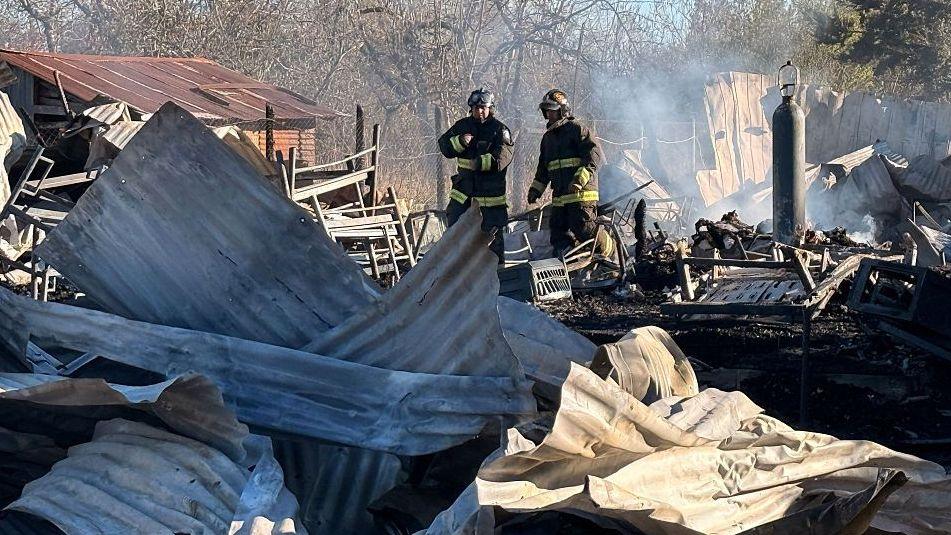
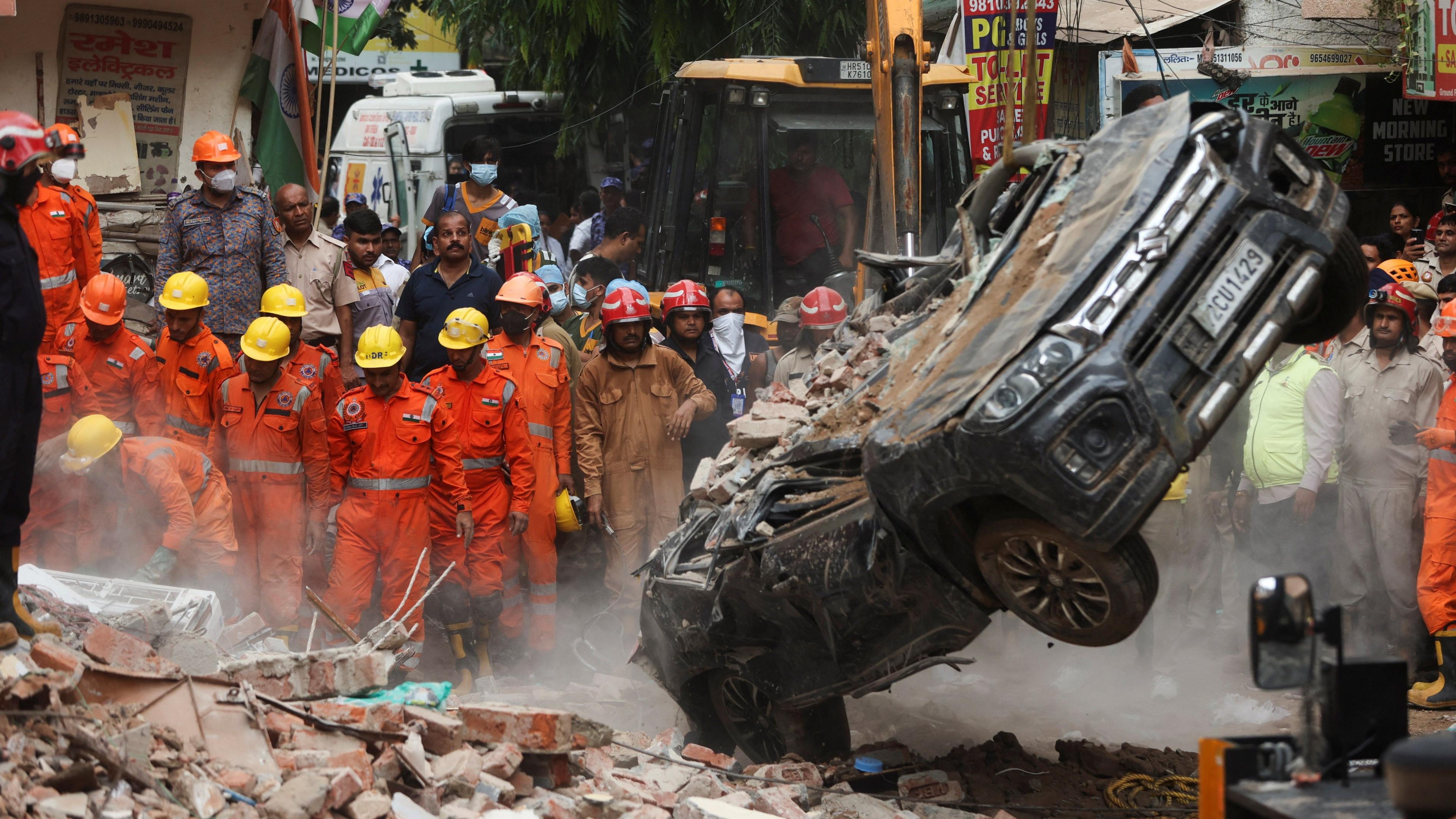
A tense silence plagued the rubble‑filled streets as rescuers listened for any whispered call of life. Vehicles that once travelled along the busy road have now halted in eerie stillness, and diggers who have protected victims’ bones with crude shields have struggled without proper equipment.
The lack of timely intervention has fueled anger across the community. Kevin Montilla, a resident who walked into the disaster site to find his wife and daughter, stated: “The rescue operation was slow and mostly performed only by residents. The government’s help remains frustratingly impotent.”
International teams from Colombia, El Salvador, and the United States have started to assist, but “hundreds are likely lying dead under the debris,” estimates Juan Avendo, a resident whose home was destroyed by the collapse. He described how neighbors, armed with nothing but their bare hands and nails, took turns attempting to rescue trapped survivors.
Experts outside Venezuela have expressed concern that the scenario could hide an under‑reported death toll. Despite the arrival of additional rescue workers, the operation has been halted by Sunday in some parts of the region, leaving a vast number of civilians stranded.
The crisis highlights a dire need for upgraded emergency protocols, better resource allocation, and decisive government action in the face of natural disasters. Residents continue to press the authorities to prioritize life‑safing measures and robust rescue operations.