In brief
The Venezuelan government has started releasing political prisoners in what officials claim is a gesture of goodwill. Among those released is rights activist Rocío San Miguel. This decision follows heightened international scrutiny and pressure, particularly from the U.S., after President Maduro was captured on drug trafficking charges. U.S. President Donald Trump praised the release as a significant step towards peace, but the action raises questions about the future of political repression in Venezuela.
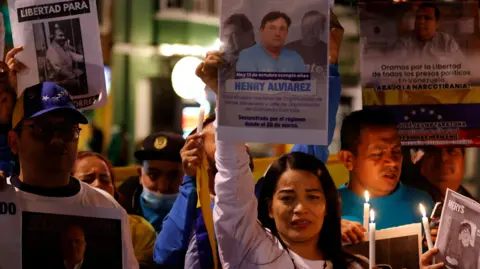
The Venezuelan government has started releasing detainees considered political prisoners by human rights groups, in what officials described as a goodwill gesture.
Spain's foreign ministry said five of its nationals had been released, including prominent Venezuelan-Spanish rights activist, Rocío San Miguel, whose family confirmed her release to US media.
This move follows the recent capture of Venezuela's President Nicolás Maduro in Caracas on drug trafficking charges, leading to increased international scrutiny.
U.S. President Donald Trump noted that the release of political prisoners, a long-standing demand of the U.S., was 'a very important and smart gesture' from Venezuela.
Trump further mentioned that the release signified Venezuela's desire for peace, allowing him to cancel a planned second wave of attacks on the country.
Jorge Rodríguez, head of Venezuela's National Assembly, announced on state television that a significant number of political prisoners would be released, though specifics on the identities were not provided.
Human rights groups remain cautious, as hundreds still languish in Venezuelan prisons.
Among those released, Rocío San Miguel emerged first; arrested in 2024, she faced severe charges, and her detention had stirred international condemnation.
Despite the release of a few prisoners, organizations like Provea urge attention to other detainment sites across the country, as political repression remains a pressing concern in Venezuela.