What Arizona’s Heat‑Proof Plan Can Show The World
By Ana Faguy
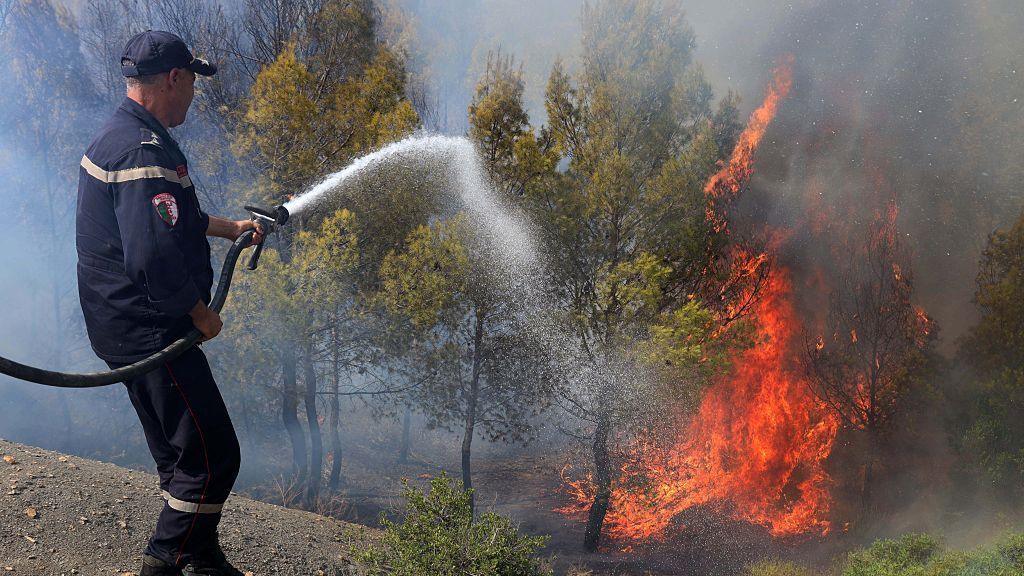
It has been a blisteringly hot summer for much of the US and Europe, with scientists warning that these extreme temperatures are becoming the new norm.
France logged over 2,000 excess deaths during a record‑breaking heatwave in late June, while England and Wales saw an estimated 2,700 heat‑related deaths since May. The UK’s independent assessments report at least 44 heat‑related fatalities in the US over the 4 July holiday weekend.
These crises highlight how rising temperatures blunt the natural cooling of nighttime, erasing the body’s buffer against heat stress, according to Yale researcher Jennifer Marlon.
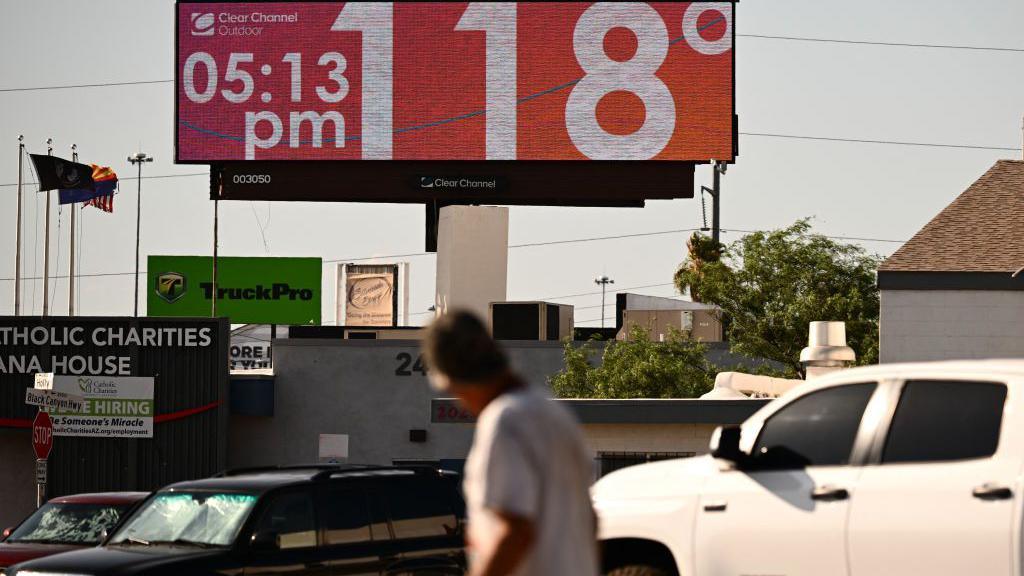
Against this backdrop, Phoenix—one of the world’s hottest cities—has long been a pioneer in opposing heat deaths. Maricopa County first hired a heat officer in 2021, then built a comprehensive strategy that includes cooling centres, free air‑conditioning for low‑income residents and homeless people, and a programme that repairs or replaces residents’ air‑conditioning systems.
Over the last few years, these initiatives have paid off. After a peak of 645 heat‑related deaths in 2023, the 2025 figure fell to 405, with the policy changes credited for much of the reduction.
Carrying the message forward, scholars such as Ladd Keith of the University of Arizona’s Heat Resilience Initiative argue that cities should appoint a dedicated heat officer to coordinate efforts. “If nothing is responsible for heat, no one will tackle it,” Keith says.
Cities that are still unaccustomed to scorching temperatures can adopt cooling centres and ensure they remain open 24 hours. The city’s experience shows that resources such as reliable cool spaces and the promise of free or affordable air‑conditioning are key to preventing heat‑related deaths.
Climate scientists warn that heat waves are becoming more frequent, intense and long‑lasting as the planet warms beyond 1.1 degrees Celsius since the industrial era. Beyond public health, heat threatens infrastructure—roads buckle and flights get delayed—making it an economic and urban issue too.
Can Arizona’s Success Be Replicated elsewhere?
To spread Phoenix’s achievements, local governments must recognise heat as a chronic issue and plan for the elevated temperatures expected over the next decade. “We want to shift away from historical weather and start planning for the heat in 5–10 years,” Keith says.
In the short term, the Maricopa County’s success demonstrates that the combination of policy, infrastructure and community‑based support can reduce heat‑related deaths—even as new death investigations keep the number high in the present year.