In brief
Nike's reliance on Asian manufacturing in the face of recent tariff announcements could lead to significant price hikes for its shoes, with analysts suggesting increases of up to 12% may be unavoidable due to supply chain constraints. While the competitive nature of the sneaker market may limit substantial price increases, the impact of tariffs on production costs poses challenges for the brand.
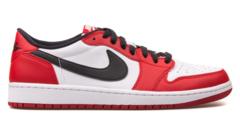
The Nike Air Jordan 1, emblematic of American sneaker culture, faces potential price increases due to new tariffs affecting Asian imports. The iconic shoe, launched over 40 years ago in partnership with basketball legend Michael Jordan, relies heavily on Asian manufacturing, predominantly in Vietnam, Indonesia, and China. In recent announcements, President Trump’s tariffs targeting foreign competitors have sent Nike's stock tumbling by 14%. With import taxes ranging from 32% to 54%, analysts are concerned about the effects on the company's pricing strategy. UBS estimates that if costs rise, consumers may face a 10% to 12% increase on products sourced from Vietnam, which accounts for around half of Nike’s footwear production.Industry analysts, including David Swartz of Morningstar, predict that while some price hike is inevitable, Nike may struggle to increase prices beyond 10-15% without negatively impacting demand due to the fiercely competitive nature of the sneaker market. Competing brands like H&M, Adidas, and Gap face similar pricing pressures.Currently, Nike has reported $51 billion in sales but after covering operational costs, its profit margin drops to approximately 11%. Rahul Cee, a footwear reviewer and former designer, suggests alternatives like simplifying production techniques or extending product design cycles to mitigate cost increases. Despite the firm’s large market presence, uncertainties linger as analysts caution against assuming that price increases will not deter consumers. Nike's reliance on the North American market, generating approximately $21.5 billion in sales, heightens the stakes, especially amidst ongoing tariff tensions between the U.S. and China.Experts predict that if these tariffs stay in place, brands like Nike might have little choice but to pass costs onto consumers. Challenges in reshaping manufacturing strategies due to complexities in shoe production are further stressed by industry voices, indicating a slow, costly transition if Nike were to consider shifting operations back to the U.S.The discourse continues, reflecting the broader implications of current trade policies on the footwear industry and American consumers at large. Nike, alongside several other brands, is bracing for what the future holds if the tariff situation takes a turn for the worse.