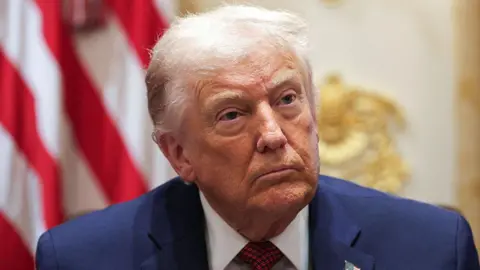
Former President Donald Trump’s recent proposal to sell weapons to Ukraine, facilitated through NATO, has sparked significant outrage among his core supporters in the "Make America Great Again" (MAGA) faction. They perceive this move as a betrayal of Trump's long-standing promise to limit U.S. involvement in overseas conflicts.
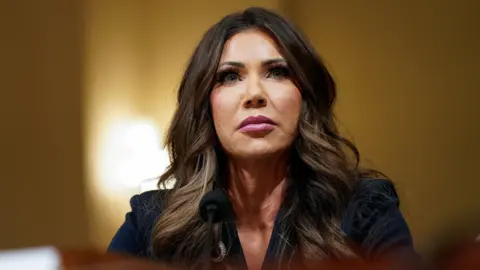
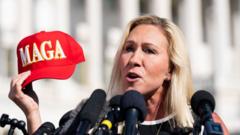
On Monday, Trump announced plans to arm Ukraine while simultaneously issuing a warning to Russia about introducing further tariffs if a peace agreement is not established in the next 50 days. This dual announcement has raised the eyebrows of several prominent conservative figures, including Republican Congresswoman Marjorie Taylor Greene and former Trump advisor Steve Bannon, both of whom have criticized the decision. Greene, an outspoken proponent of isolationism, expressed that the move contradicts the promises she made during her campaign, emphasizing it goes against the party's push for reduced foreign aid.
While the White House insists that NATO will finance these American-made weapons, Greene voiced skepticism regarding taxpayers being shielded from the costs. "We want peace for those people," Greene stated, adding that her message of no further U.S. financial support to Ukraine resonates firmly with her constituents.
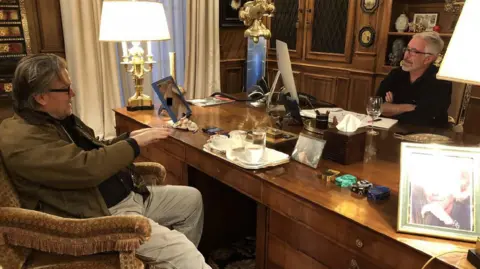
Moreover, a former Trump campaign official articulated that while the arrangement may mitigate backlash, the sentiment remains that this conflict does not concern the U.S. Bannon reinforced this view during a podcast, labeling the war as a European issue. He stated, “Let Europe deal with it. They have the resources and manpower."
In response to the discontent among MAGA supporters, White House Deputy Press Secretary Anna Kelly pointed out that Trump's base remains strong, arguing they trust Trump's commitment to restoring peace through strength. Interestingly, a poll highlighted by the administration indicates that nearly two-thirds of Trump voters favor continued military support to Ukraine, suggesting a divide in perspectives among his followers.
Former administration officials have also backed Trump, asserting that his America First policy supports balanced and fair alliances. Furthermore, Trump announced that NATO's commitment to increase defense spending has brought responsibility back to European nations. Following a meeting with NATO's chief, Trump affirmed the alliance's importance, stating, "they're now paying their own bills."
While applauded by some, Trump's strategy to deal with NATO and provide arms to Ukraine underscores a growing tension within his base and challenges the notion of a strictly isolationist foreign policy that many had hoped for during his presidency.