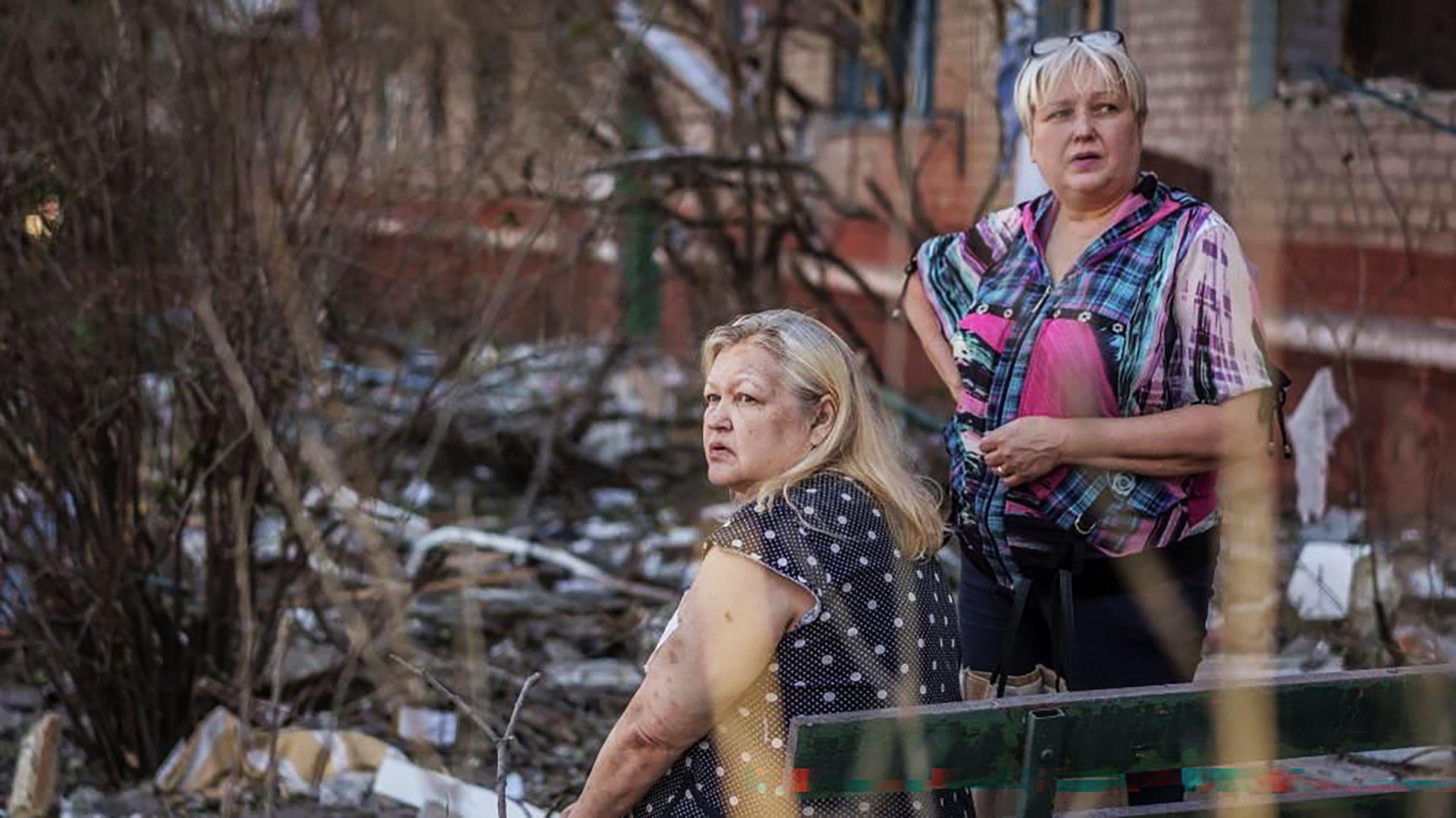
At 5:00 a.m. on 10 July an occupant of Zaporizhzhia, Anna Holovchenko, was suddenly awakened by the booming impact of glide bombs in the suburbs of her city. The intensity of security incidents rose sharply within weeks, and the city, which sits a short kilometre from the front line, has become a focal point of Russian fire.”
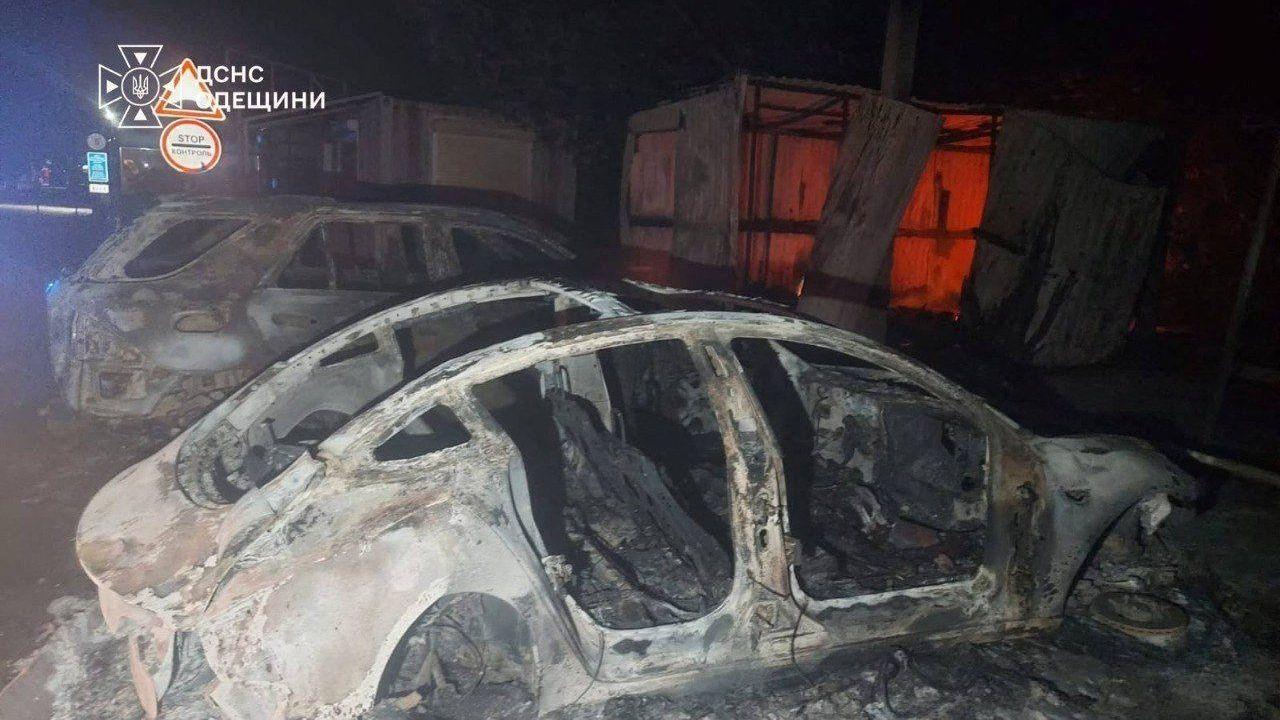
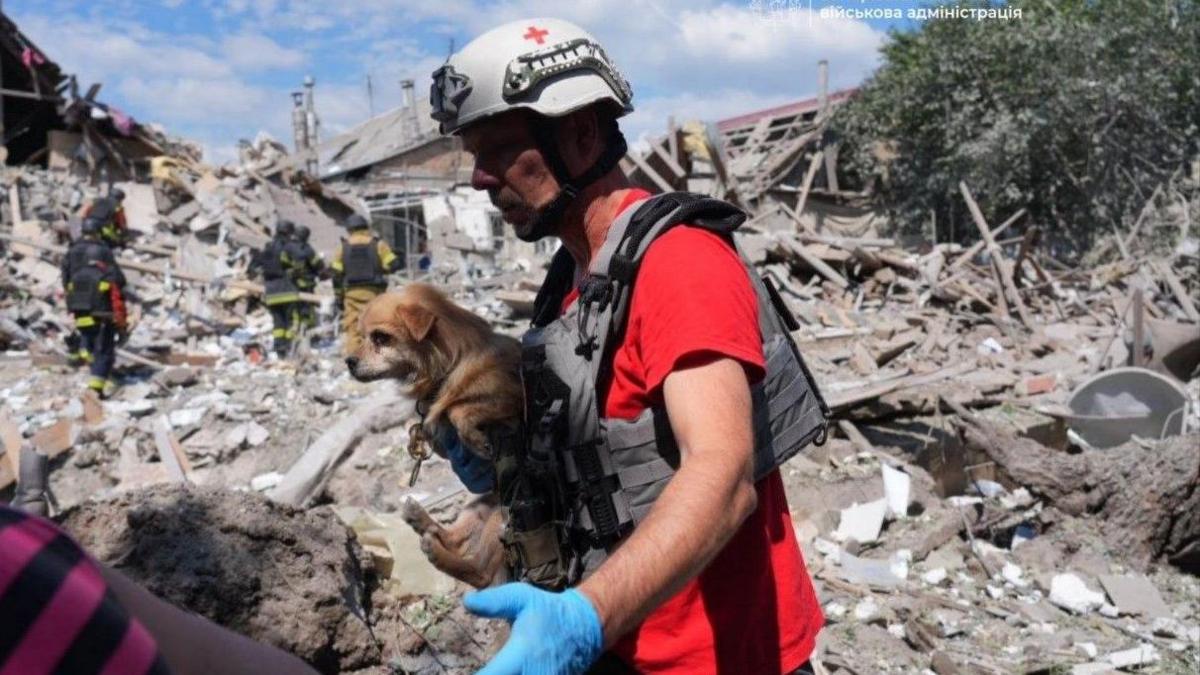
The next hour brought a second wave of drones hovering over Anna’s house. Ukrainian air defences tried to intercept them, but the swarm continued to penetrate municipal airspace and hit a range of civil targets – schools, buses, petrol stations, government offices and private homes – in a brutal display of terror.
Acting mayor Regina Kharchenko told the BBC that during a particularly intensive assault she took cover in the toilet of her office when the noise spiked. She recounted how a Shahed drone ploughed into a cable, cutting the internet, and how civilians were left without help as the conflict eclipsed everyday life.
The city, the administrative capital of the Zaporizhzhia region, lies within a zone Russia intends to annex. The square‑kilometre nuclear power plant lies 50 km away and sits in the controlled part of the region, raising fears of a wider conflict.
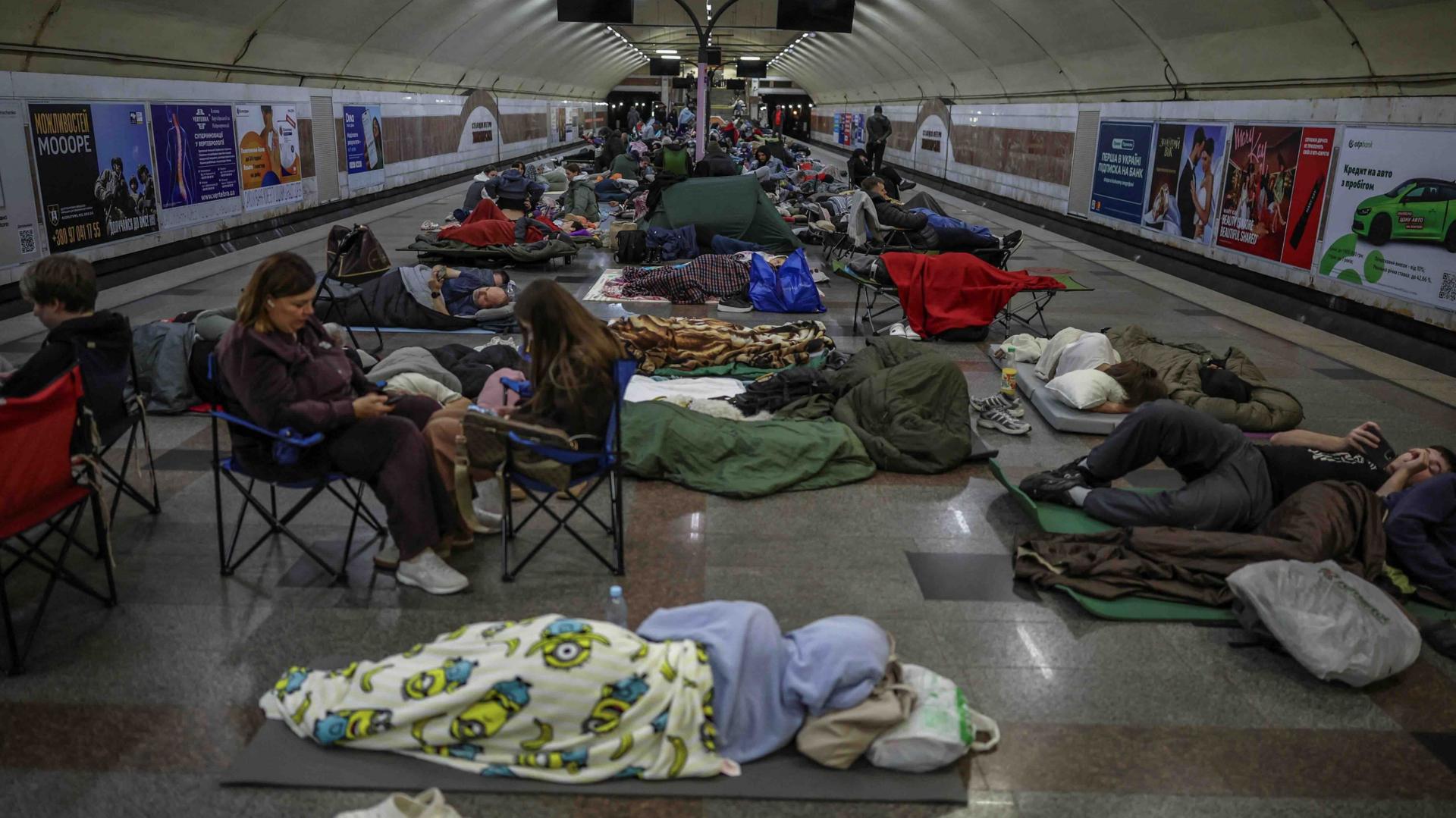
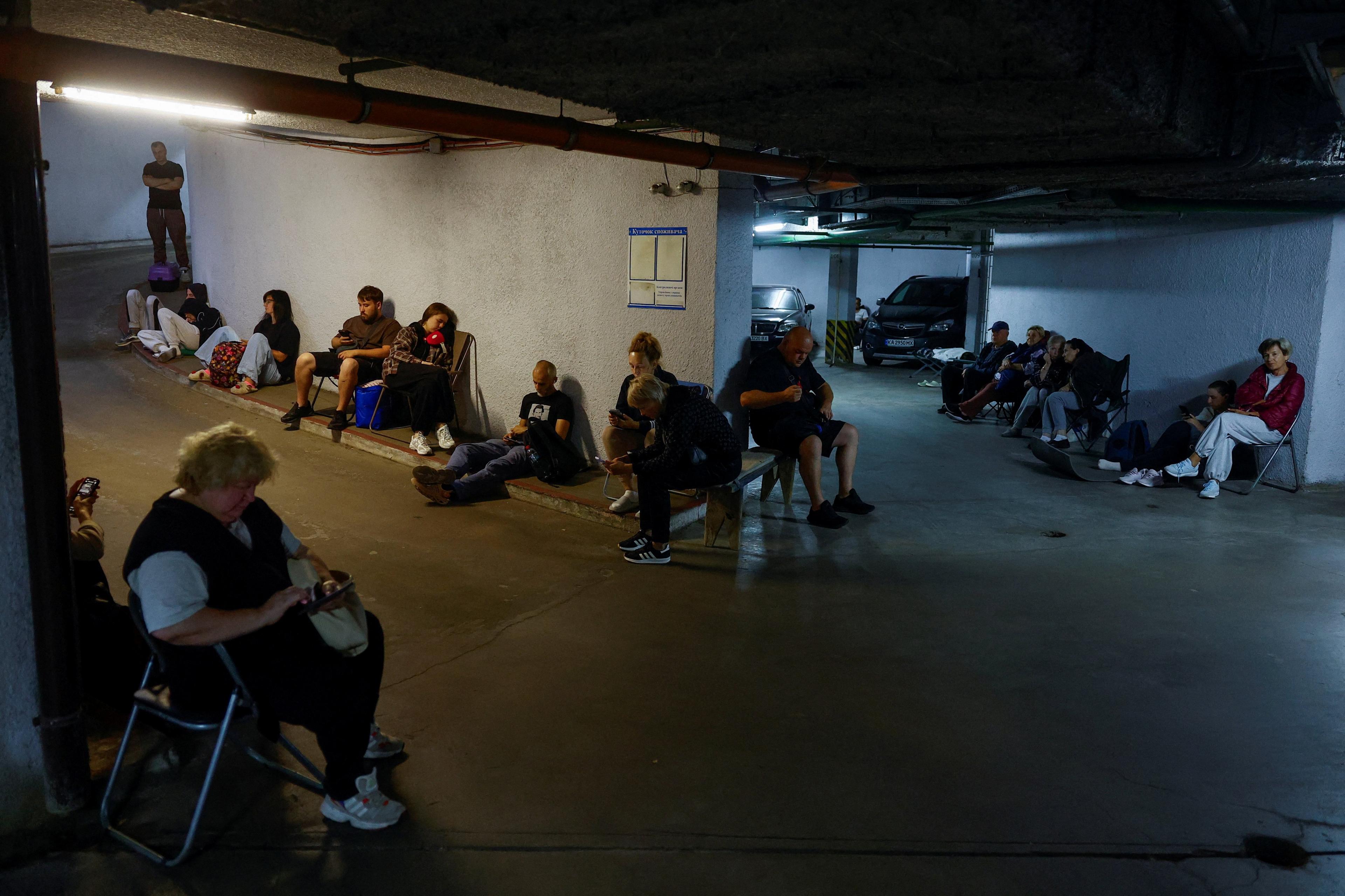
Following these relentless strikes, council members met behind a damaged pillar, noting how the enemy “has stepped up terror against civilians, municipal transport, privately-owned buses and cars.” Concrete talk moved towards installing more shelters, anti‑drone nets and window films to protect schools, hospitals and public buildings.
While Ukrainian forces have pulled Russian units back a few kilometres south of Zaporizhzhia, the drones’ new use of first‑person‑view (FPV) craft extends their reach. Experts say Russian units now employ long‑range mothership drones that deploy smaller drones to strike targets previously out of reach, and mesh‑networking technology makes them harder to jam.
Local intelligence reports to the BBC that 884 Russian drones were intercepted in the last week of June alone. Ukrainian electronic warfare continues to struggle against a spike in Russian drone targeting of the city, with the Ukrainian side focusing elsewhere and the Russians increasing their missile‑drone campaign.
Within this climate of war, hundreds of thousands of residents have continued to stay within the city, even as EU authorities evacuate other frontline towns. Reports highlight the psychological strain residents face, yet many, including Anna, refuse to leave, demanding a chance to stay safe and endure until Ukrainian forces return sovereignty over the region.