
In brief
Two years into the invasion of Ukraine, Western nations' sanctions against Russia appear to have limited impact, as evidenced by continued attacks on cities like Kharkiv. Local officials are documenting war crimes while calling for stronger action, including targeted sanctions on oil and gas exports, amidst questioning the long-term effectiveness of current sanctions.
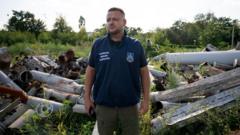
On Ukraine's front line, the scattered remains of Russian weaponry tell a harrowing story. Since Russia's invasion, the West has imposed sanctions intended to impede its military capabilities; however, on the ground, the effects of these measures seem minimal. Near Kharkiv lies a grim collection of metal wreckage — the remnants of relentless attacks that have plagued the region for over three years.Dymtro Chubenko from the Kharkiv Region Prosecutor's Office sifts through this scrapyard of devastation, which he considers essential evidence for ongoing war crimes prosecutions. Among the debris are various Russian bombs and missiles, including a drone modeled after Iran's Shahed, characterized by low production costs — about $20,000 each. Chubenko notes that many Russian weapons contain components sourced from Western countries, indicating Russia's ability to circumvent sanctions.In a related note, U.S. President Donald Trump appears to have adopted a firmer stance against Putin, threatening heightened sanctions unless a ceasefire is established by a designated deadline. His administration recently imposed additional tariffs on countries purchasing Russian oil, reflecting a potential shift in U.S. foreign policy aimed at constraining Russia's oil and gas exports, which could significantly affect its economy according to Chubenko.Kharkiv, located just 30 kilometers from the Russian border, has suffered extensive damage, with thousands of civilian casualties, including many children. Police Colonel Serhii Bolvinov emphasizes the need for thorough investigations into civilian deaths and highlights the unyielding nature of Russian military tactics, which spread terror among civilians.With teams working diligently to compile evidence and build legal cases, Bolvinov’s mission is entwined with a longing for justice. The scars left by the conflict weigh heavily on the Ukrainian populace. Even amidst hopes for increased international pressure on Russia, he admits that attaining peace must come hand in hand with justice, a sentiment echoed by many who have lost loved ones, like 14-year-old Sofia, killed by a Russian bomb last summer.As families gather in cemeteries to mourn and hope fades amid stagnant negotiations, the grim reality remains that, for them, peace without justice is a hollow promise.
