
In brief
The World Health Organization (WHO) has finalized a legally binding treaty aimed at enhancing responsiveness to future pandemics, ensuring equitable access to resources and data.
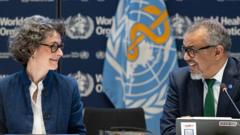
In a significant development, members of the World Health Organization (WHO) have successfully agreed on a legally binding treaty intended to improve preparedness for future pandemics. This accord aims to eliminate the chaos and resource competition observed during the COVID-19 crisis. Key components of the treaty focus on the swift dissemination of information regarding emerging diseases, aiming to empower scientists and pharmaceutical companies to accelerate the development of treatments and vaccines.In a remarkable first, the WHO will also gain oversight of global supply chains for essential items such as masks and personal protective equipment (PPE). WHO Director-General Dr. Tedros Adhanom Ghebreyesus deemed the agreement "a significant milestone in our shared journey towards a safer world," highlighting the importance of multilateral cooperation in combating health crises.Reaching this historic accord culminated three years of negotiations among member states, marking only the second time in WHO's 75-year history that such an international agreement has been accomplished—following a similar tobacco control pact in 2003. While the treaty awaits formal adoption at the forthcoming World Health Assembly, its provisions are noteworthy.Countries will now be obliged to ensure the availability of pandemic-related medicines globally during outbreaks. Manufacturers that participate in the initiative must guarantee that 20% of their production of vaccines, treatments, and diagnostics is directed to the WHO, with at least 10% given as donations and the remainder offered at affordable rates. Additionally, member states have approved the transfer of health technologies to developing nations under mutually agreed terms to promote local vaccine and medicine production during pandemics.The agreement introduces a Pathogen Access and Benefit-Sharing System (PABS) designed to facilitate rapid data exchange among pharmaceutical entities, further expediting the development of new drugs during health emergencies. However, the accord also faces challenges, particularly from developing countries that resent how wealthier nations stockpiled vaccines during the COVID-19 pandemic, while countries with robust pharmaceutical sectors are concerned about potential impacts on research and development due to mandatory transfers.

