
In brief
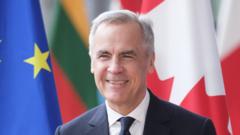
In a decisive move, Canada's parliament has enacted the One Canadian Economy Act, which offers the government, led by Prime Minister Mark Carney, the ability to expedite large-scale projects aimed at enhancing the economy. The new legislation, passed by the Senate, enables cabinet officials to streamline the approval process and bypass certain federal regulations for projects deemed beneficial for economic growth.
The push for this bill arises amidst rising trade tensions with the United States, particularly related to tariffs imposed by President Donald Trump on Canadian goods. Advocates for the bill argue that it is essential for reducing Canada's economic reliance on its southern neighbor. However, the act has drawn significant criticism from Indigenous communities and environmental advocates, who express concerns about the potential undermining of opposition voices due to expedited processes.While the legislation does not specify what infrastructure will be constructed, indications suggest it may facilitate energy corridors, pipeline construction, and development of the mining and port sectors. Prime Minister Carney has emphasized the importance of Indigenous partnerships in driving this economic growth, although many Indigenous leaders fear that the government's broad new powers might lead to inadequate consultations prior to project approvals.The bill's swift passage is seen as a landmark achievement for Carney, fulfilling a campaign promise to eliminate interprovincial trade barriers by July 1. The government's rationale for the new act includes boosting trade, reducing labor mobility obstacles, and addressing economic concerns exacerbated by U.S. tariffs affecting Canadian industries like steel, aluminum, and automotive sectors. Senator Paul Prosper, representing the Mi'kmaq Indigenous group, criticized the haste with which the bill was passed, advocating for more inclusive consultations with Indigenous rights holders. Prosper expressed support for sustainable development but warned against progress that disregards the rights of Indigenous Peoples. In contrast, Senator Hassan Yussuff defended the legislation as a response to an "urgent and immediate crisis," emphasizing the need for action in the current economic landscape.The new law aims to safeguard national interests while raising continuing debates about fairness and representation for Canada's Indigenous populations in future developmental projects.


