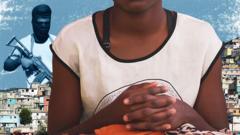
In the chaos of Port-au-Prince, Haiti, 19-year-old Helene has become a symbol of resilience as she raises her baby girl against all odds. Just two years ago, Helene, then 17, was abducted by gang members who terrorized her neighborhood, subjecting her to relentless acts of rape and violence. In an emotional interview, she recounts her harrowing experience: "They raped me and beat me every single day. Several different men. I didn't even know their names," she says, highlighting the trauma she endured.
Despite being pressured by her captors to terminate her pregnancy, Helene stood firm, believing deeply that her daughter could be her only child. "I said 'no'. This baby could be the only one I ever have," she emphasizes. Following an opportunity to flee during gang confrontations, she now resides in a safe house with approximately 30 other survivors of sexual violence, a reflection of the alarming rise in such assaults throughout Haiti.
Gangs currently dominate an estimated 90% of Port-au-Prince, with sexual violence from these groups reaching unprecedented levels since the 2021 assassination of President Jovenel Moïse. Medical charity Médecins Sans Frontières (MSF) reports a near tripling of cases between 2021 and now, revealing a chilling trend where gang members use rape as a weapon to instill fear and control communities. Survivors have shared stories of multiple attackers and extreme brutality, with some young women even assaulted in front of their families.
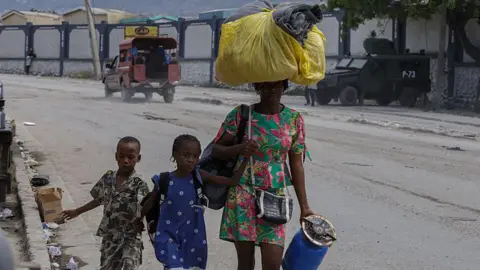
As societal conditions decline, women face compounded struggles from both sexual violence and the deepening humanitarian crisis. The United Nations estimates that 1.3 million people in the nation have been displaced due to ongoing violence, compounded by severe food insecurity affecting half the population. The lack of elected leadership after Moïse's assassination, along with escalating gang disputes, has left communities vulnerable.
Helene, meanwhile, dreams of a better life for her and her daughter amidst peril. "I always dreamt of going to school, to learn and to make something of myself," she reflects, acknowledging her goals, which now seem daunting in her current situation. As humanitarian support dwindles due to funding cuts, the challenges for rape survivors like Helene grow more formidable. She, along with fellow residents of the safe house, often faces trepidation about what the future holds as they navigate a city engulfed in violence.