In brief
Panama has firmly denied claims by the US government regarding changes to transit fees for government vessels passing through the Panama Canal. The State Department announced that its vessels could now transit for free, reportedly saving the US millions. However, Panama's Canal Authority countered this by reaffirming its authority to set tolls without any recent adjustments. Tensions over control of the canal persist, with US officials demanding Panama counter China’s influence over this crucial trade route.
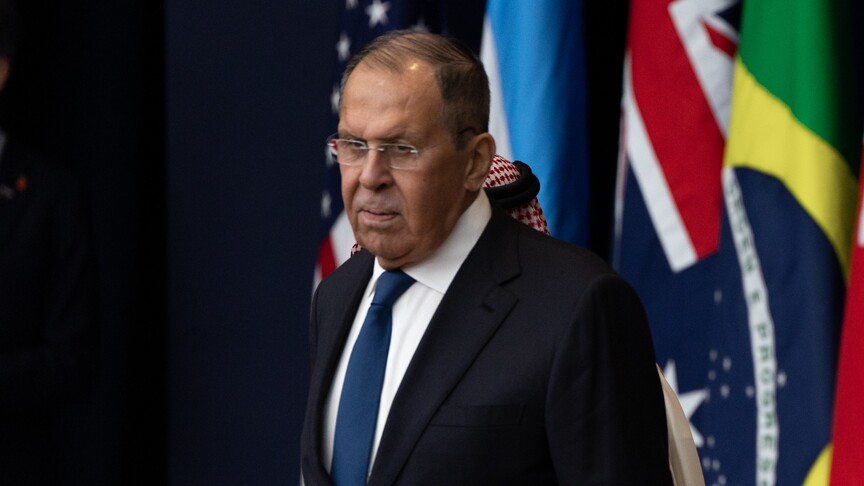
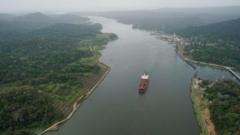
In response to assertions from the White House, Panama categorically rejected any modifications that would permit US government vessels to traverse the Panama Canal without incurring fees. The US State Department recently claimed that this new arrangement would lead to substantial cost savings for the US budget, which raised questions regarding international agreements and trade protocols.The Panama Canal Authority (ACP) emphasized its rights to impose transit tolls, detailing that their structure and fees remain unchanged. This rebuttal followed remarks by Secretary of State Marco Rubio during his visit to Panama, subtly pressing the nation to alter its perceived ties with China and firm up US influence in the area.US President Donald Trump's administration has exhibited increasing concern over the canal's operational sovereignty since he took office. Gunfire particularly targeted allegations asserting that China had established operational control over the vital waterway. President Trump aimed to reinforce the US's grip on the Panama Canal, which was historically controlled by the US but returned to Panamanian sovereignty in the late 1970s following a treaty instituted by President Carter.In his discussions with President José Raúl Mulino, Rubio insisted on immediate measures to address what he termed China's growing influence in the region. Despite this pressure, Mulino responded with commitment to the canal's sovereignty and independence from foreign interference, asserting the waterway remains solely under Panamanian jurisdiction.Traffic along the canal shows a significant presence of US vessels, accounting for over half of all transits, proving the water route's importance to US trade interests. The ACP stated its willingness to continue collaborations with US navy officials to ensure the streamlined transit of US military and commercial vessels. As debates regarding control and access to the canal continue, both nations navigate a complex landscape of historical treaties, economic interests, and geopolitical strategies.