
In brief
As Mayotte grapples with the aftermath of Cyclone Chido, residents describe the destruction as akin to nuclear war. With widespread devastation and basic supplies running low, the government's rescue operations are hindered by significant infrastructure damage. French President Emmanuel Macron announced plans to visit as the island's healthcare system struggles to cope, and aid efforts are intensified to assist those in dire need.
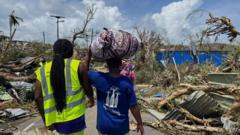
The island of Mayotte is reeling from the catastrophic impact of Cyclone Chido, with locals likening the destruction to the aftermath of a nuclear war. This cyclone, which slammed into the French territory in the Indian Ocean, has been dubbed the worst storm in nearly a century, characterized by winds reaching up to 225km/h (140mph). The cyclone has ravaged poorest neighborhoods, where residents often live in unstable sheet-metal structures."The conditions are absolutely dire; we have not had clean water for days," reported a Mamoudzou resident struggling with the extreme aftermath. "People are going hungry and thirsty," echoed another. French President Emmanuel Macron is set to visit Mayotte to observe the devastation firsthand and offer support amid rescue and recovery efforts. Currently, rescue operations are underway, aided by civilian volunteers and French military reinforcements. Officials estimate that the confirmed death toll stands at 20, but it could rise drastically as officials delve deeper into the damage assessment. The local prefect suggested fatalities could potentially reach into the thousands.Complicating matters is the presence of over 100,000 undocumented migrants among Mayotte's population of roughly 320,000, making it challenging to tally the number of casualties. Meanwhile, essential infrastructures — including water treatment facilities and power lines — have suffered extensive damage, leaving 85% of the territory without electricity and making many roads impassable.Reports from locals describe water quality concerns, with some saying the available water is yellow and unsafe for consumption. In an alarming statement, Amalia Mazon, a healthcare worker, revealed the dire situation at her hospital, stating, "We feel completely abandoned; we don't even know when help will arrive."Despite the arrival of relief supplies, the distribution has been hindered by continued infrastructural damage, affecting availability of essentials like food, water, and shelter. As approximately 80% of the basic services falter, urgency grows for medical support and humanitarian aid.In response to the shocking scale of the damage, Macron expressed his solidarity with the victims, declaring a national day of mourning to honor those who perished. Meanwhile, additional deployment of French soldiers and volunteers continues as authorities brace for a long recovery ahead.Beyond Mayotte, Cyclone Chido has also struck Mozambique, prompting flash flooding and structural damage, further complicating the humanitarian landscape. As climate-related disasters become increasingly frequent, the vulnerability of places like Mayotte highlights ongoing debates over environmental policy and disaster preparedness.
