
In brief
In the wake of a 7.7 magnitude earthquake on Friday, Mandalay, once celebrated as the 'city of gold,' is now shrouded in despair and death. The quake has resulted in a staggering death toll exceeding 2,700, with many more injured and missing, as residents grapple with dwindling resources amid ongoing aftershocks.
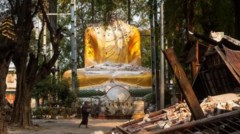
The tragedy began with the earthquake near Mandalay, drastically altering the landscape of what was once a vibrant hub known for its grand pagodas and cultural significance. Eyewitness accounts highlight scenes of destruction, where overwhelmed crematoriums are forced to dispose of bodies in large numbers. A local resident described the harrowing experience of losing her aunt, who was trapped under rubble, symbolizing the personal grief pervading the community.As the military regime continues to grapple with internal conflicts and a complex humanitarian crisis, the relief efforts have been severely hindered. Poor infrastructure and bureaucratic obstacles compound the challenges faced by rescuers, while an escalation in the number of victims fuels a terrifying narrative that the death toll could reach even higher, with estimates possibly exceeding 10,000 according to some sources.Emotional accounts from those affected reveal the profound psychological impact of the earthquake. Trauma is pervasive, particularly among children who witnessed the horrors firsthand. Furthermore, international aid remains slow, facing restrictions imposed by Myanmar's military authorities, which adds to the frustrations of local humanitarian workers seeking to deliver assistance.As Mandalay mourns and recovers from this catastrophic event, activists call for immediate action to ensure that aid reaches all those in need, urging the military junta to lift barriers preventing humanitarian organizations from accessing affected areas. The spirits of those who have suffered resonate deeply as families cope with loss and survivors strive to find hope amid ongoing crises.


