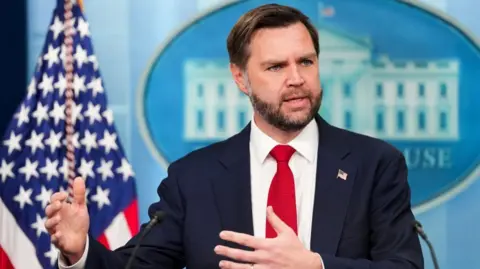
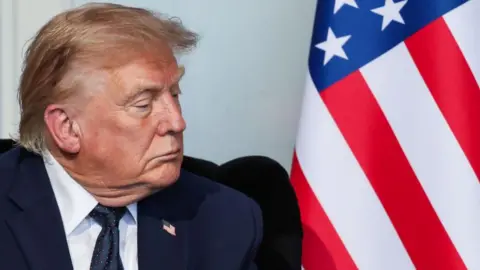
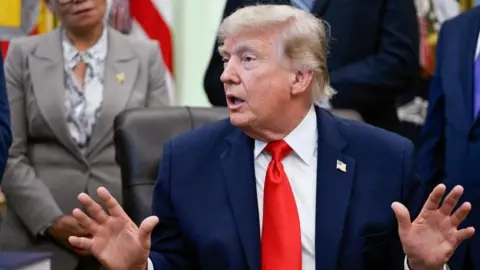
March 5, 2025 - In a surprising address during a speech to Congress, President Trump directed an appeal to the "incredible people of Greenland," reiterating his interest in acquiring the island. "We strongly support your right to determine your own future," he stated, adding confidently, "We will make you rich."
The statement, which gave a nod to Greenland's geopolitical importance, stirred varied reactions among U.S. lawmakers. However, leaders from Greenland, home to approximately 56,000 residents, were not as enthusiastic about his promises. Pele Broberg, a prominent political figure in Greenland, noted, “It is up to us whether we become rich,” emphasizing local authority in deciding their economic future.
This was not Trump’s first mention of Greenland; his fascination with the island dates back to his first term, where he suggested either purchasing it or exerting military pressure to acquire it. In his speech, he characterized Greenland as "a very small population but very, very large piece of land and very, very important for military security.”
Despite the presidential appeal, Greenland's response highlights a separation between D.C. rhetoric and local citizens’ aspirations regarding their economy and sovereignty.
The statement, which gave a nod to Greenland's geopolitical importance, stirred varied reactions among U.S. lawmakers. However, leaders from Greenland, home to approximately 56,000 residents, were not as enthusiastic about his promises. Pele Broberg, a prominent political figure in Greenland, noted, “It is up to us whether we become rich,” emphasizing local authority in deciding their economic future.
This was not Trump’s first mention of Greenland; his fascination with the island dates back to his first term, where he suggested either purchasing it or exerting military pressure to acquire it. In his speech, he characterized Greenland as "a very small population but very, very large piece of land and very, very important for military security.”
Despite the presidential appeal, Greenland's response highlights a separation between D.C. rhetoric and local citizens’ aspirations regarding their economy and sovereignty.