
In brief
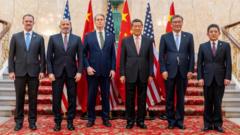
The recent high-level discussions in London between top officials from the United States and China have led to a significant agreement in principle aimed at decreasing trade tensions between the two largest economies in the world. US Commerce Secretary Howard Lutnick disclosed that the negotiations centered on critical issues, particularly the management of rare earth minerals and magnets—a vital component for modern technology. Both parties are now set to present this proposed framework to their respective presidents, Donald Trump and Xi Jinping, for final approval.
After two days of intensive talks, the focus was largely on the export of rare earth minerals crucial for a variety of technological products. Last month, both nations had announced a temporary truce on trade tariffs but quickly began to accuse one another of violations. Washington has claimed that China has delayed the release of rare earth exports necessary for manufacturing processes, like smart devices and electric vehicles. The US, in return, has imposed restrictions on China's access to essential technologies, predominantly in areas related to semiconductors and artificial intelligence."We have reached a framework to implement the Geneva consensus," Secretary Lutnick stated, emphasizing that the next step hinges on presidential approval. The importance of these talks followed a productive phone call between Trump and Xi, which the US President hailed as "very good." Both parties believe they have crafted a plan to execute the consensus articulated during their prior discussions.The trade relationship has been tumultuous recently, with Trump initiating aggressive tariffs on imports, hitting China the hardest, which retaliated with its own levies, culminating in an escalation that saw tariffs rise to an astonishing 145%. A truce reached in May lowered these tariffs significantly and gave both countries a 90-day timeline to negotiate a lasting trade agreement. However, each side has claimed breaches of non-tariff commitments since then.US Trade Representative Jamieson Greer remarked that China had not adhered to the rollback of restrictions on rare earth magnet exports, while Beijing alleged US violations including halting sales of essential software to Chinese companies and restricting Huawei's access to semiconductors. Prior to the trade negotiations, Chinese authorities mentioned that they had approved several applications for rare earth export licenses, albeit without revealing specific countries involved. Trump reported that Xi had agreed to renew trade in these crucial materials, setting a hopeful tone for further advancements in their trade relationship.

