
In brief
India's textile sector is feeling the pressure from a surge in low-cost Chinese imports, raising concerns about long-term economic stability.
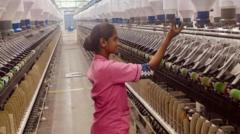
As trade tensions between the U.S. and China escalate, India's economy is bracing for impact from an influx of inexpensive Chinese goods, particularly in the textiles sector. In Tamil Nadu, Thirunavkarsu's once-bustling spinning mill has seen demand for viscose yarn plummet by nearly 40% in the past month, as Chinese imports have become cheaper due to changing market conditions.The imposition of high tariffs by Donald Trump on Chinese products for the U.S. market has pushed Chinese manufacturers to seek other markets, with India emerging as a significant target. Local textile producers now find themselves competing against China's ability to sell viscose yarn at cut-rate prices. Industry experts warn that if this trend continues, many smaller mills in India may be compelled to reduce production further or close entirely.Despite reassurances from Chinese diplomats that their country will not engage in market dumping, fears of low-cost competition pervade multiple sectors in India. The domestic textile industry, which relies heavily on local production of viscose yarn, now faces an uncertain future as cheap Chinese imports swarm the market.According to Jagadesh Chandran of the South India Spinners Association, the ramifications are widespread, impacting nearly 50 small mills across key textile hubs, which might jeopardize employment and production stability if left unaddressed. India's trade ministry is closely monitoring the situation, as the nation's trade deficit with China has reached a staggering $100 billion. Recent data shows that imports have increased by 25%, primarily due to rising demand for electronics and renewable energy components. Additionally, a safeguard duty on certain steel imports has been implemented to combat the influx of low-priced Chinese steel.Despite the potential for growth in the manufacturing sector, challenges persist. While global giants like Apple are shifting assembly lines to India, the country remains reliant on crucial Chinese components, thus exacerbating its trade imbalance. Experts are emphasizing the need for India to enhance its competitiveness and streamline domestic manufacturing capabilities in light of these ongoing dynamics.Acting swiftly on these issues is critical, as economies that experience a significant increase in imports from China generally face a slowdown in their manufacturing growth. The urgency is echoed by analysts, stressing that India must engage in a more robust dialogue about fair trade practices with China to protect its local industries.As the global landscape continues to shift, the opportunity to address these economic challenges is now at hand, underscoring the need for India to adapt and reinforce its manufacturing sector while navigating complex international relations.
