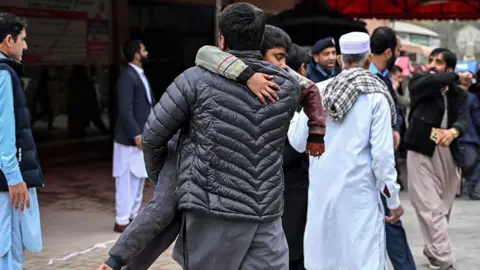
In the wake of a tragic militant strike in Kashmir that resulted in the deaths of 26 individuals—mainly Hindu tourists—public sentiment in India has reached a boiling point. The Indian government responded fiercely to the attack, which has sparked a backlash against the Muslim community. In a move to assert control, authorities in various states, including Uttar Pradesh and Karnataka, have initiated mass detentions of Muslims and have demolished numerous homes they deem illegally occupied, often citing links to terrorism.
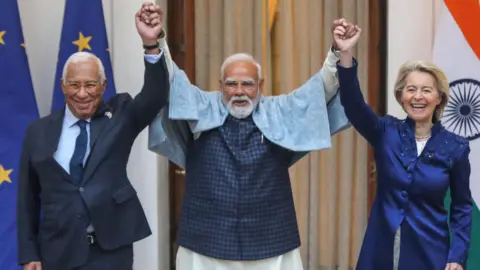
As anger continues to build, Prime Minister Narendra Modi has pledged to "razes" safe havens of militants and hunt down those responsible for the attack, leading to fears of an impending military response against neighboring Pakistan. Pakistani officials, however, have rejected allegations of their involvement, asserting their country’s innocence in a situation that has dangerously escalated.
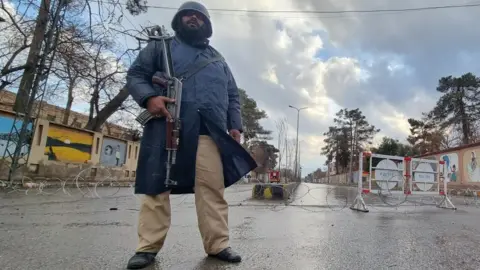
Reports from inside Kashmir indicate that security forces are actively arresting suspects while destroying properties tied to individuals accused of terrorism. This backlash is not limited to Kashmir; growing anti-Muslim sentiment across India is evident, with media indicating that the violence has begun manifesting as hate crimes.
Analysts suggest these events reflect an ongoing pattern of demonization of the Muslim community, a tactic that has been increasingly utilized by Modi’s party to unify India’s Hindu majority under a heightened sense of nationalism. As tensions soar, concern mounts over the potential for further violence and the implications for communal harmony in the region. Meanwhile, additional reports highlight challenges faced by Afghan migrants in Pakistan, as the government has initiated expulsion of thousands from the country, underscoring broader regional issues.